Introduction:
LED (Light Emitting Diode) grow lights have revolutionized indoor gardening by providing efficient and customizable lighting solutions. Choosing the right LED grow lights for your plants is crucial to ensure optimal growth and yield. In this article, we will provide professional advice and precise techniques on how to select the most suitable LED grow lights based on factors such as plant species, growth stages, and light requirements.
Consider Plant Species:
Different plant species have varying light requirements. Understanding the specific light needs of your plants is essential for selecting the appropriate LED grow lights. Some plants, like leafy greens and herbs, thrive under lower light intensities, while flowering plants and fruiting vegetables require higher light levels. Research the light preferences of your plant species and choose LED grow lights with adjustable intensity settings to accommodate their specific needs.
Evaluate Growth Stages:
Plants go through different growth stages, such as seedling, vegetative, and flowering stages. Each stage demands specific light spectrums and intensities. LED grow lights with customizable spectrums (including blue, red, and full spectrum) allow you to tailor the lighting conditions according to the growth stage. For seedlings and vegetative growth, higher levels of blue light promote leafy growth. During the flowering stage, a higher ratio of red light stimulates bloom and fruit development.
Assess Light Intensity and Coverage:
The intensity and coverage area of LED grow lights are critical factors for achieving optimal plant growth. Light intensity is measured in terms of photosynthetic photon flux density (PPFD), which indicates the number of photons reaching the plant's surface per unit of time. Consider the size of your growing space and select LED grow lights with adequate PPFD levels to cover the entire plant canopy uniformly. Optimal PPFD values vary depending on plant species and growth stages, so refer to lighting recommendations specific to your plants.
Energy Efficiency and Heat Management:
LED grow lights are known for their energy efficiency compared to traditional lighting sources. Look for lights with high energy efficiency ratings (expressed as efficacy in lumens per watt) to reduce electricity costs. Additionally, efficient heat dissipation mechanisms, such as heat sinks and fans, are crucial to prevent overheating and maintain an optimal growing environment. Choose LED grow lights with effective heat management systems to ensure long-term reliability and plant health.
Product Quality and Reputation:
When selecting LED grow lights, prioritize reputable brands and products with positive reviews. Quality LEDs from trusted manufacturers are more likely to deliver consistent performance, durability, and accurate light spectrums. Research customer feedback, consult gardening communities, and seek recommendations from experienced growers to make informed decisions.
Conclusion:
Choosing the right LED grow lights is a crucial step towards successful indoor gardening. By considering factors such as plant species, growth stages, light intensity, coverage, energy efficiency, and product quality, you can select LED grow lights that meet your plants' specific needs. Remember to conduct thorough research, seek professional advice, and invest in reliable LED grow lights to optimize plant growth, maximize yields, and enhance your gardening experience.
 EU PPWR Packaging Regulation Takes Effect Aug 12 | How Hortibest LED Grow Lights Fully Comply
 HPS to Tunable LED Grow Lights: Why Your Old Irrigation Schedule Will Cost You Yields
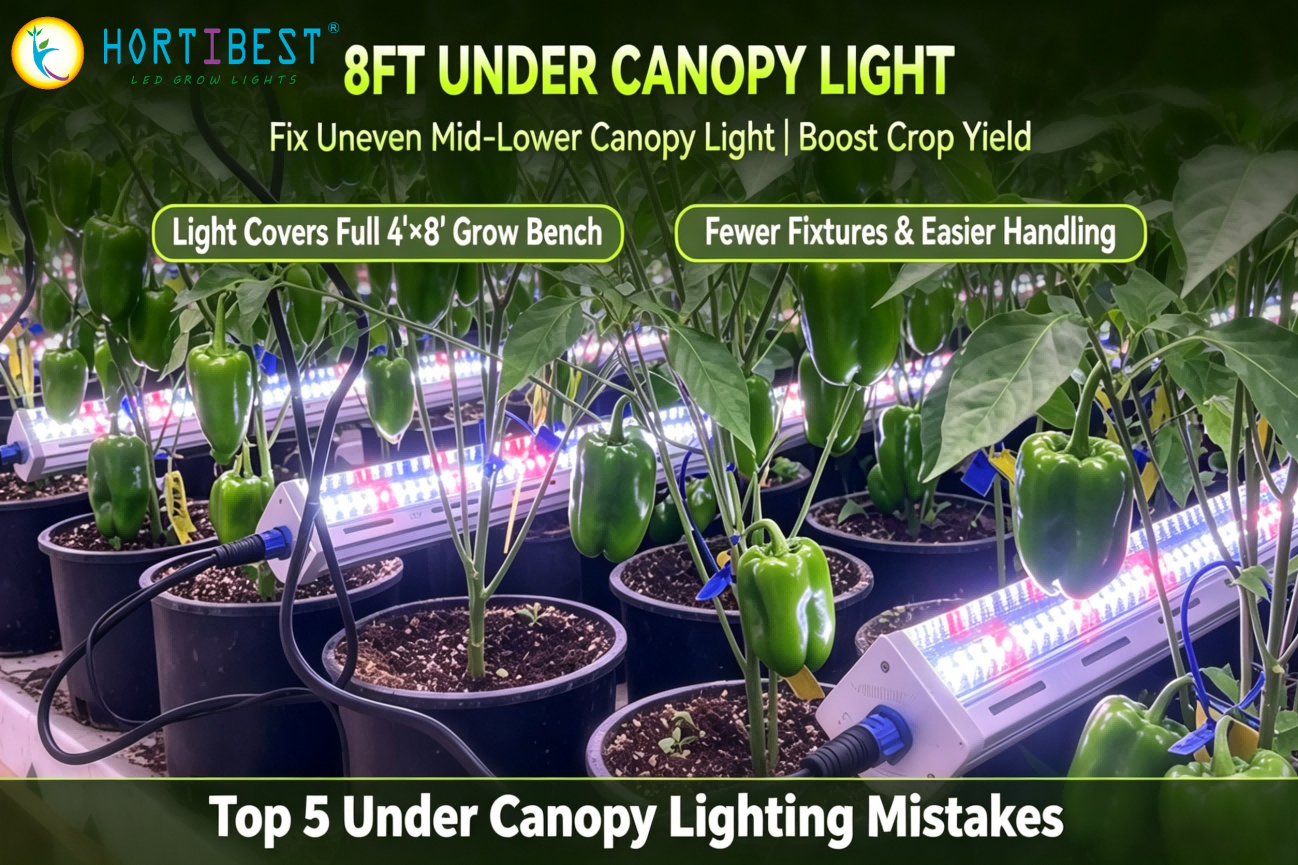 Top 5 Under Canopy Lighting Mistakes Commercial Growers Make | UCL Best Practices
 40% Higher Winter Strawberry Revenue: Minnesota Commercial Greenhouse Fixes High HVAC Costs & Pale Berries with Shark‑2600 Linear LED Grow Lights


