Usage and Maintenance of LED Growth Lights: Tips for Maximizing Lifespan and Illumination Efficiency
Views : 1360
Author : Fiona
Update time : 2023-09-14 09:15:35
Introduction
LED growth lights have become increasingly popular among plant enthusiasts and gardeners alike due to their energy efficiency and durability. However, the key to getting the most out of these lights lies in proper usage and maintenance. This article aims to provide valuable insights into how to use and care for LED growth lights to maximize their lifespan and ensure optimal lighting efficiency.
Part 1: Understanding LED Growth Lights
Before diving into the tips on usage and maintenance, it is essential to understand the basics of LED growth lights. LED stands for Light Emitting Diode, which produces light through a process called electroluminescence. LED growth lights emit a specific spectrum of light that mimics natural sunlight, promoting healthy plant growth.
One important thing to note is that different plants have different light requirements. Thus, it is crucial to research and choose an LED grow light that matches the needs of the specific plant species you are growing.
Part 2: Usage Tips
Placement Matters
The placement of your LED grow light is critical for both effectiveness and safety. Ensure that the light is kept at a distance of about 3-4 inches from the plants and not too close to any reflective surfaces, such as walls or water pipes. This will prevent the spread of heat and minimize the risk of fire hazards.
Watering Habits
While LED growth lights are designed to be water-efficient, it is still important to keep the soil moist but not overly wet. Check the moisture level of the soil regularly and water as needed, making sure not to get any water on the electrical components of the grow light.
Timers and Schedules
Using a timer or a schedule to control the duration of light exposure can help optimize plant growth. Depending on the species, different plants may require different light/dark cycles. Research the specific needs of your plants and set the light accordingly.
Part 3: Maintenance Tips
Clean Regularly
Dirt and dust can accumulate on the surface of the LED grow light, reducing its efficacy. Clean the surface with a soft, dry cloth to remove any buildup. Avoid using harsh chemicals or abrasive materials, which can damage the surface coating of the LED chip.
Inspect for Leaks
Conduct regular inspections for any signs of leaks or damages to the electrical components of the grow light. If noticed, contact the manufacturer or a professional for repairs or replacements.
Proper Power Supply
Ensure that the LED grow light is plugged into a reliable power source with appropriate voltage and amperage. Overloading the power supply can cause damage to the grow light, so avoid using extension cords or power strips with high wattage limits.
Conclusion
By following these usage and maintenance tips, you can significantly increase the lifespan of your LED growth lights and improve their ability to provide optimal lighting for your plants. Remember to research and choose the right grow light for your specific plant species, place it correctly, and maintain it regularly to enjoy healthy, thriving plants.
 EU PPWR Packaging Regulation Takes Effect Aug 12 | How Hortibest LED Grow Lights Fully Comply
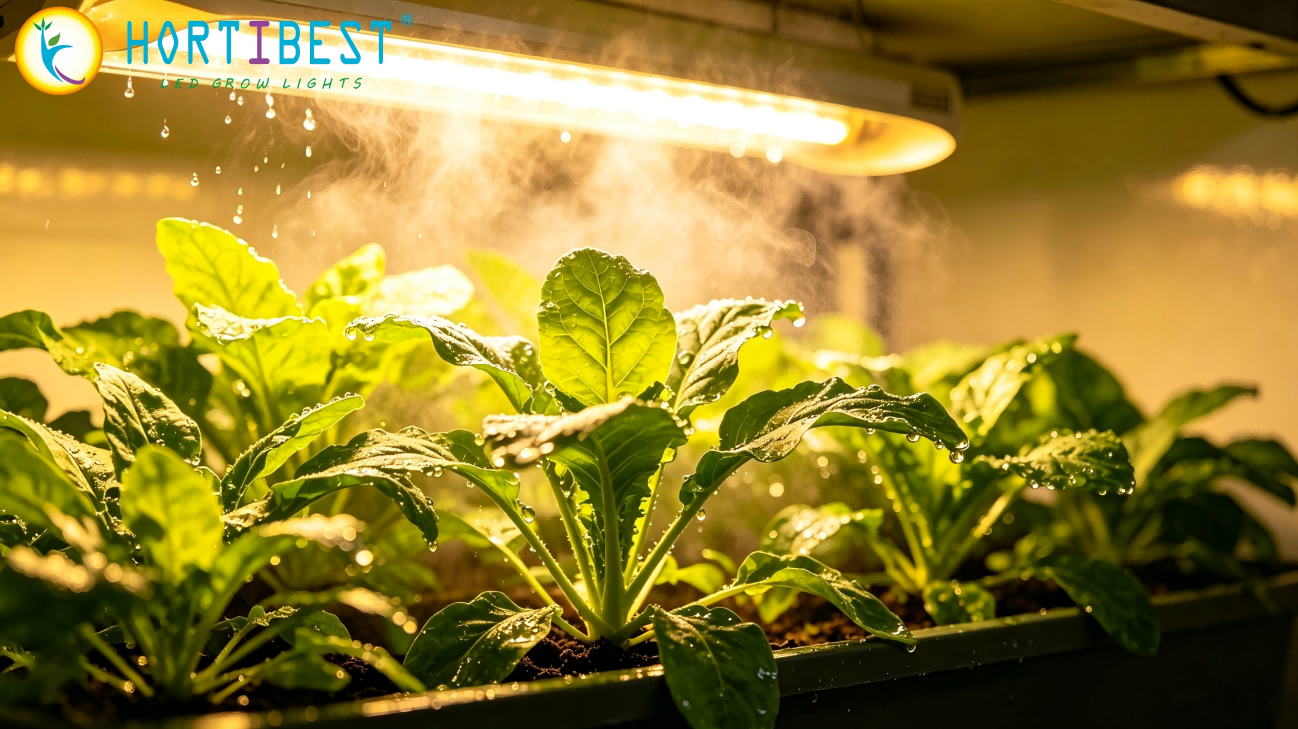 HPS to Tunable LED Grow Lights: Why Your Old Irrigation Schedule Will Cost You Yields
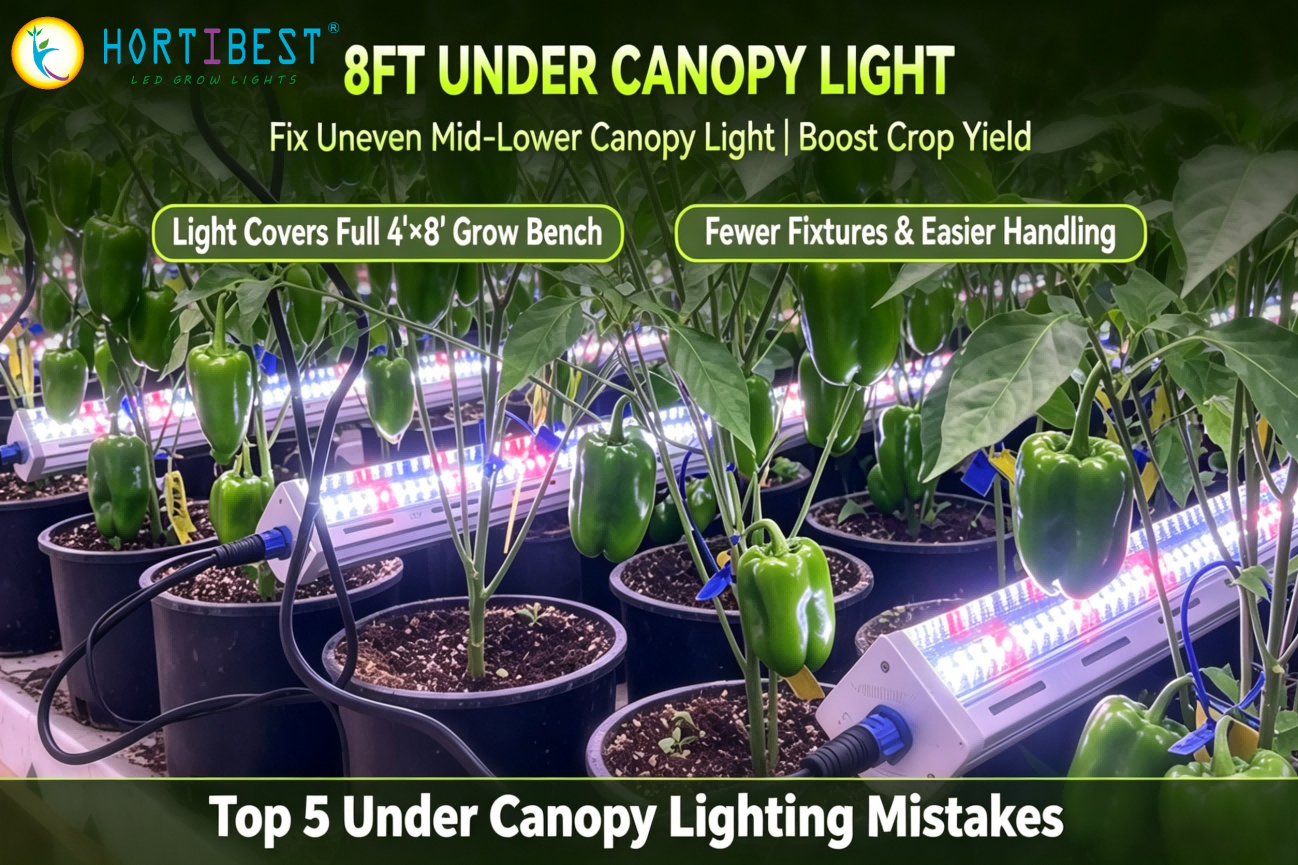 Top 5 Under Canopy Lighting Mistakes Commercial Growers Make | UCL Best Practices
 40% Higher Winter Strawberry Revenue: Minnesota Commercial Greenhouse Fixes High HVAC Costs & Pale Berries with Shark‑2600 Linear LED Grow Lights


