As LED grow lights become increasingly popular among indoor gardeners, many are wondering which types of plants they are best suited for. While LED grow lights can provide adequate light for a variety of plants, some species may require more or less intense lighting than others. In this article, we will explore the range of plant species that can benefit from using LED grow lights and offer some tips on how to ensure optimal growth for your plants.
1. Herbs
Herbs such as basil, parsley, and rosemary are well-suited for LED grow lights due to their small size and rapid growth rate. These plants typically require 12-16 hours of light per day and can thrive in temperatures between 70°F and 86°F. By providing them with the right amount of light intensity and duration, you can expect to see healthy growth and abundant yields from your herb garden.

2. Vegetables
Many vegetables can be grown using LED grow lights, including tomatoes, cucumbers, peppers, and leafy greens like lettuce and spinach. The specific light requirements for each vegetable vary depending on the stage of growth, but most varieties can handle anywhere from 12-24 hours of light per day. It's important to monitor the temperature and humidity levels in your growing environment to ensure optimal plant health.

3. Flowering Plants
Flowering plants such as orchids, African violets, and peace lilies can also benefit from LED grow lights. These plants typically require high levels of light intensity (up to 7500 lumens) during the flowering stage to promote healthy blooms. By providing the appropriate light spectrum and duration, you can encourage your flowering plants to produce vibrant flowers and lush foliage.

Tips for Using LED Grow Lights:
- Start with a small initial investment in quality LED grow lights to determine if your plants respond positively to the lighting conditions.
- Monitor the temperature and humidity levels in your growing environment to ensure optimal plant health.
- Use a timer or automation system to control the duration and intensity of your LED grow lights to avoid overexposure or burnout.
- Rotate your plants regularly to promote even growth and prevent leaning or stretching.
- Fertilize your plants according to their specific needs to support healthy growth and abundant yields.
Conclusion:
LED grow lights offer a versatile solution for indoor gardeners looking to grow a wide range of plant species. With proper planning, monitoring, and care, you can enjoy healthy, thriving plants year-round in your own home. So why not give it a try? Your wallet (and your plants) will thank you!


 EU PPWR Packaging Regulation Takes Effect Aug 12 | How Hortibest LED Grow Lights Fully Comply
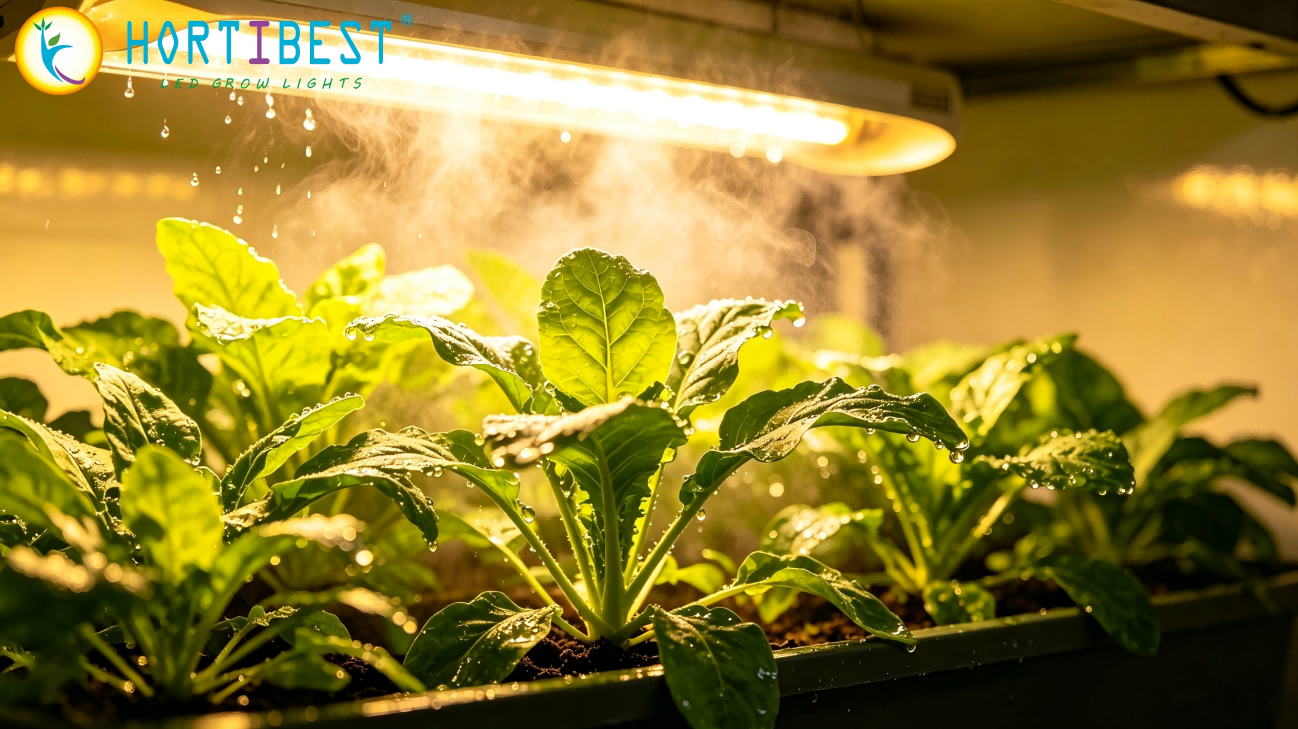 HPS to Tunable LED Grow Lights: Why Your Old Irrigation Schedule Will Cost You Yields
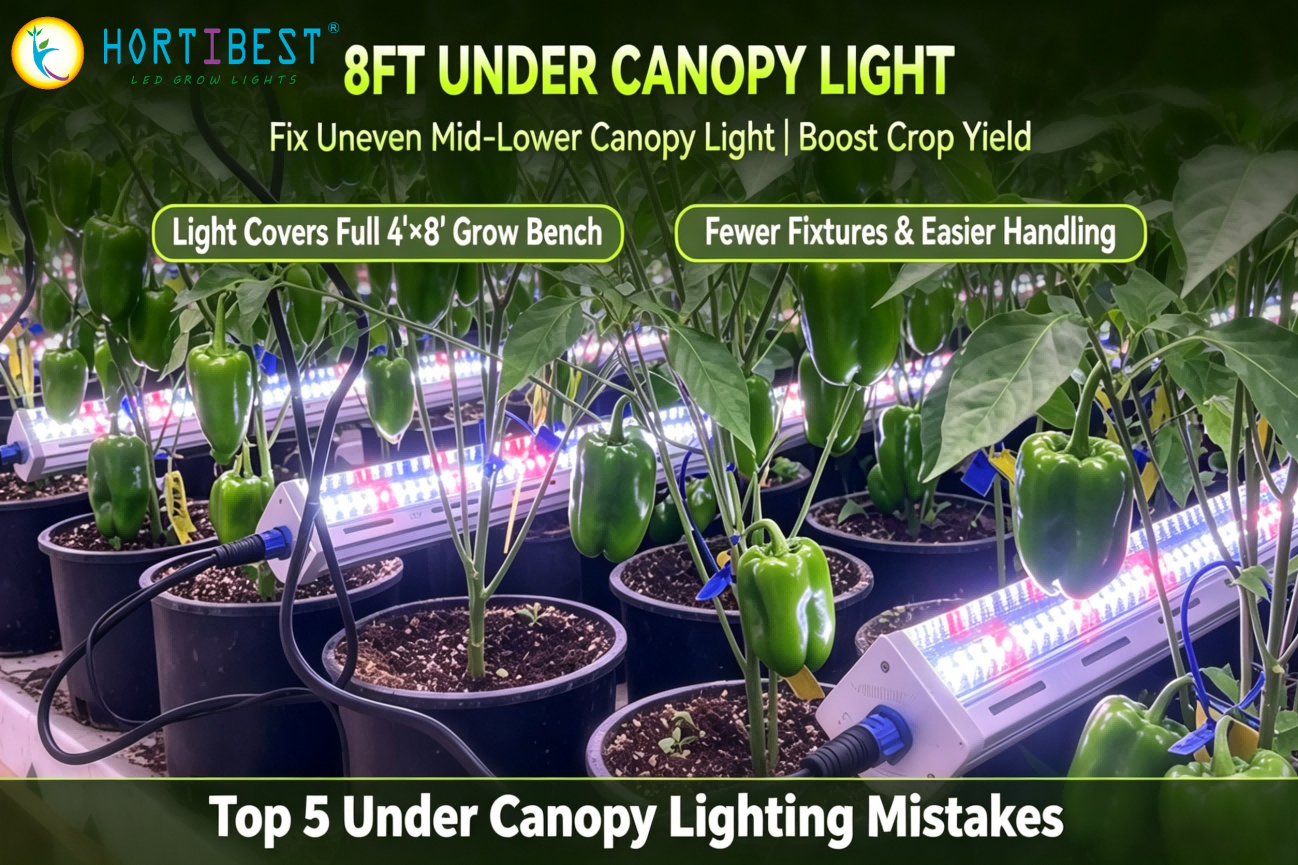 Top 5 Under Canopy Lighting Mistakes Commercial Growers Make | UCL Best Practices
 40% Higher Winter Strawberry Revenue: Minnesota Commercial Greenhouse Fixes High HVAC Costs & Pale Berries with Shark‑2600 Linear LED Grow Lights


