Have you ever encountered photobleaching during your cannabis cultivation ? if so, how much do you know about photobleaching? Don't hesitate to stop and follow us to leam more about photobleaching.
What is Photobleaching?
Photobleaching is simply what we can observe: the literal bleaching of floral buds
Photobleaching doesn't announce ilself with early morphological cues in the leaves. l
happens when you look at the top of the cannabis canopy and discover that all of the
upper inflorescences/colas/floral buds are bleached white
Why Photobleaching Happens?
As we all know, higher light intensilies bring higher yields. Photobleaching occurs a
800 micromoles or lower with lighting rich in red light. Lights with a badly balanced
oroad spectrum will tngger photobleaching.
Does Photobleaching Impact Crop Yield and Quality?
Cannabis flowers don't rely on hioh levels oflocal photosynthesis to put on mass.
therefore, photobleaching shouldn't have an enormous impact on yield and quality, bu
there may be a correlation.
How to Avoid Photobleaching?
If photobleaching occurs in the middle of a flower cycle, the only way is to reduce light
intensitly to stop what's undenvay. But when you reduce intensity, you're also reducing
yield. With the right light quality, you can avoid photobleaching even at light intensities
reaching 2,500 PPFD. Hence, the best way to avoid photobleaching is to use the right
ight with a more balanced broad spectrum.


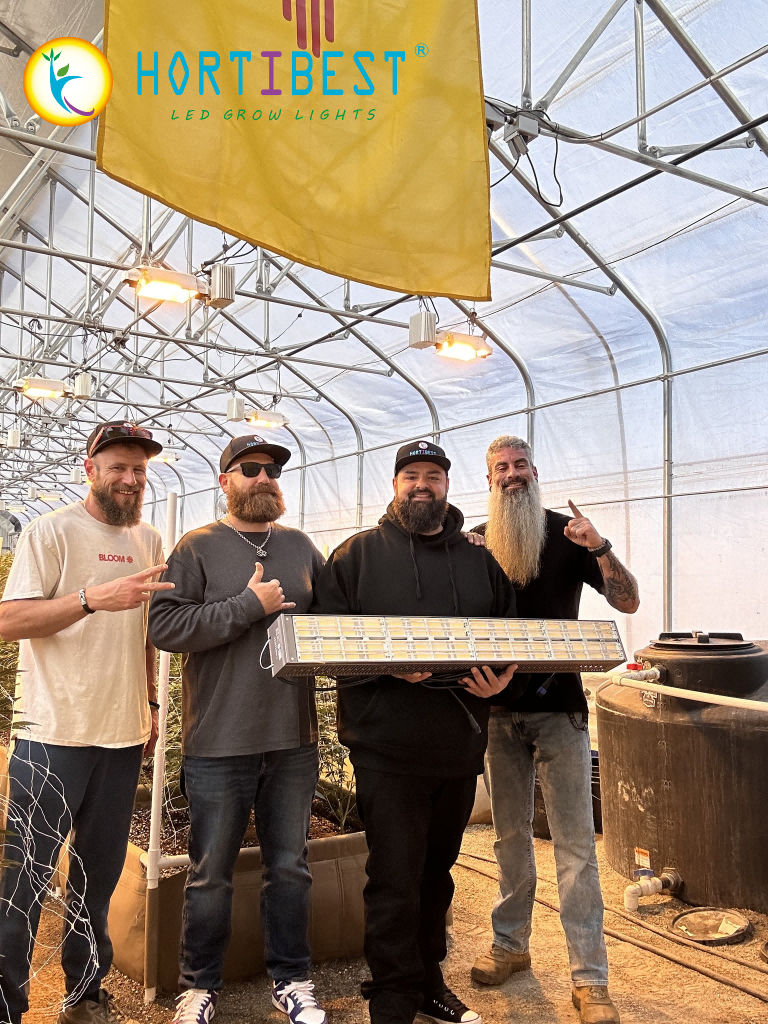 Case Study: Why an HPS Grower Switched to Shark‑2600 – Not for Savings, but for Even Light from Top to Bottom
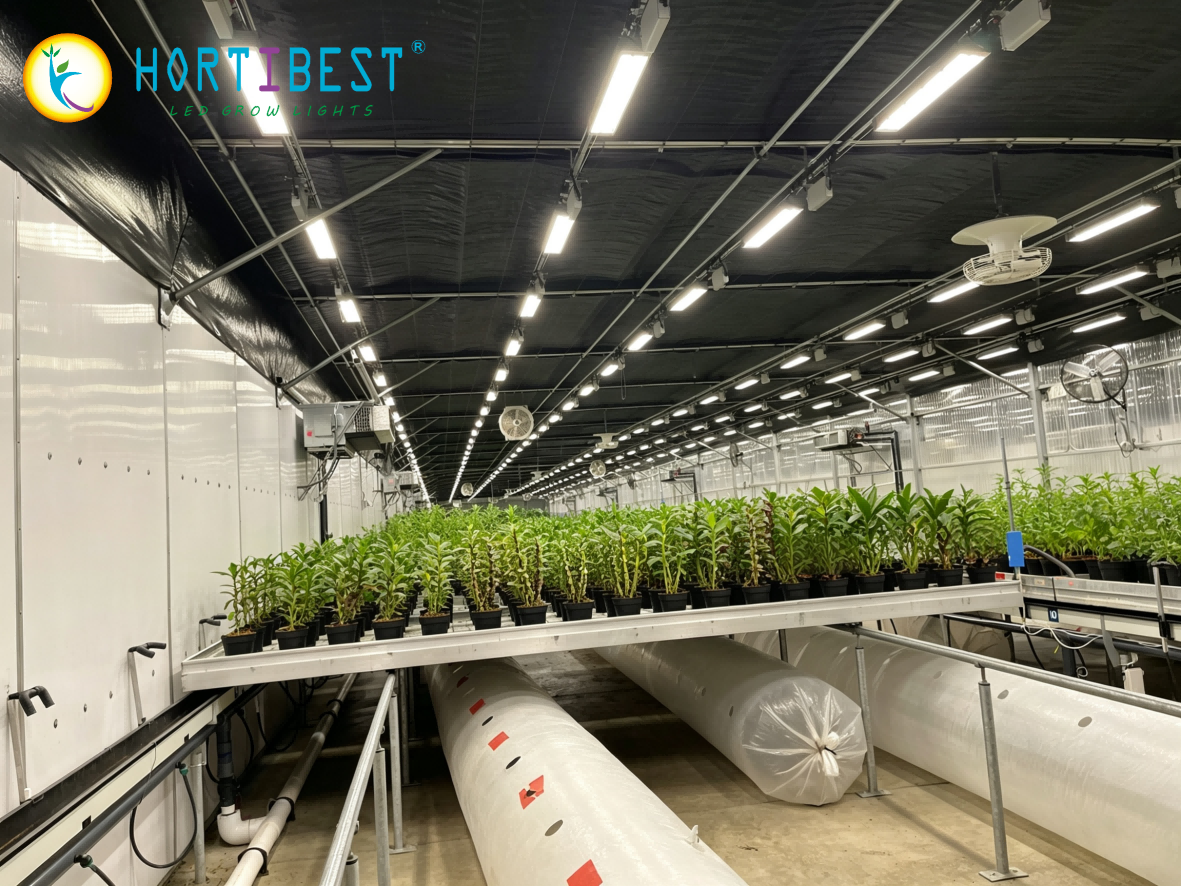 What Size Grow Light Do You REALLY Need? Stop Asking Watts – Use PPF, PPFD & DLI Instead
 HortiBest LED Grow Lights-Development History
 1000W vs 400W Grow Light: Which One Fits Your Grow?


