Welcome to our in-depth exploration of the pitfalls that often plague new growers working with LED grow lights. As seasoned experts in horticulture and lighting technology, we've identified five crucial mistakes that, when rectified, can transform your cultivation endeavors. Join us as we dissect these errors and provide actionable solutions for optimizing your indoor gardening experience.
The first and perhaps most common oversight among new LED growers is disregarding the nuanced light spectrum needs of plants throughout their lifecycle. Different stages demand distinct wavelengths for optimal growth and development. For example, the vegetative phase thrives on higher levels of blue light, fostering robust leaf and stem growth. Conversely, the flowering stage flourishes under increased red light, stimulating flower production.
Choosing LED grow lights without considering these spectrum requirements can impede crucial biological processes, leading to stunted growth, delayed flowering, or compromised yields. To mitigate this, opt for full-cycle LED grow lights that encompass the entire spectrum needed from seed to harvest. Some lights even offer adjustable spectrums to tailor lighting conditions as plants progress through different growth phases.
Proper placement and intensity of LED grow lights are paramount to a successful harvest. Incorrect distances can result in sunburned plants or insufficient light exposure, leading to weak growth and diminished yields. Finding the optimal distance ensures plants receive the right light intensity without risking damage or inefficiency.
For example, in a 4x4 grow space, adjusting light intensity based on growth stage and maintaining appropriate distances (typically 18-24 inches) can significantly impact plant health and productivity. Utilizing tools like quantum meters aids in precise adjustments for optimal growth conditions.
While cost-saving may tempt new growers to opt for inexpensive LED grow lights, this decision often proves costly in the long run. Low-quality lights often lack the balanced spectrum necessary for healthy plant development, leading to subpar yields and compromised plant health.
Investing in quality LED grow lights from reputable brands ensures plants receive a full spectrum and better overall light quality. Although initial costs may be higher, the long-term benefits in terms of improved growth, yield, and durability far outweigh the upfront savings of budget lights.
Photoperiod, or the duration of light exposure, plays a pivotal role in plant growth stages. Failure to adhere to recommended light schedules can disrupt growth patterns, impacting bud development and overall plant health. Whether in the vegetative or flowering phase, maintaining consistent light schedules and darkness periods is crucial for optimal growth and development.
Utilizing LED grow lights with built-in timers or external controllers streamlines light management, ensuring plants receive the proper light cues for each growth stage. Consistency in photoperiod and light timing is key to maximizing plant potential and achieving desired yields.
Proper cooling and ventilation are often underestimated factors in indoor gardening with LED grow lights. While LEDs generate less heat than traditional lighting, neglecting heat management can lead to detrimental effects on plants and light fixtures alike.
Investing in effective cooling systems and ventilation setups maintains an optimal growing environment, preventing heat-related stress on plants and extending the lifespan of LED grow lights. Regular monitoring and adjustment of cooling mechanisms ensure a stable climate conducive to healthy plant growth.
In conclusion, by addressing these five critical errors, new growers can elevate their LED grow light experience, maximize yields, and foster healthier, more robust plants. Our expertise in horticulture and lighting technology empowers growers to navigate these challenges effectively, ensuring a successful and rewarding indoor gardening journey. Happy growing!
I've constructed this post to thoroughly address each error while providing practical solutions. If you would like recommendations for led grow lights or planting solutions, please let me know!
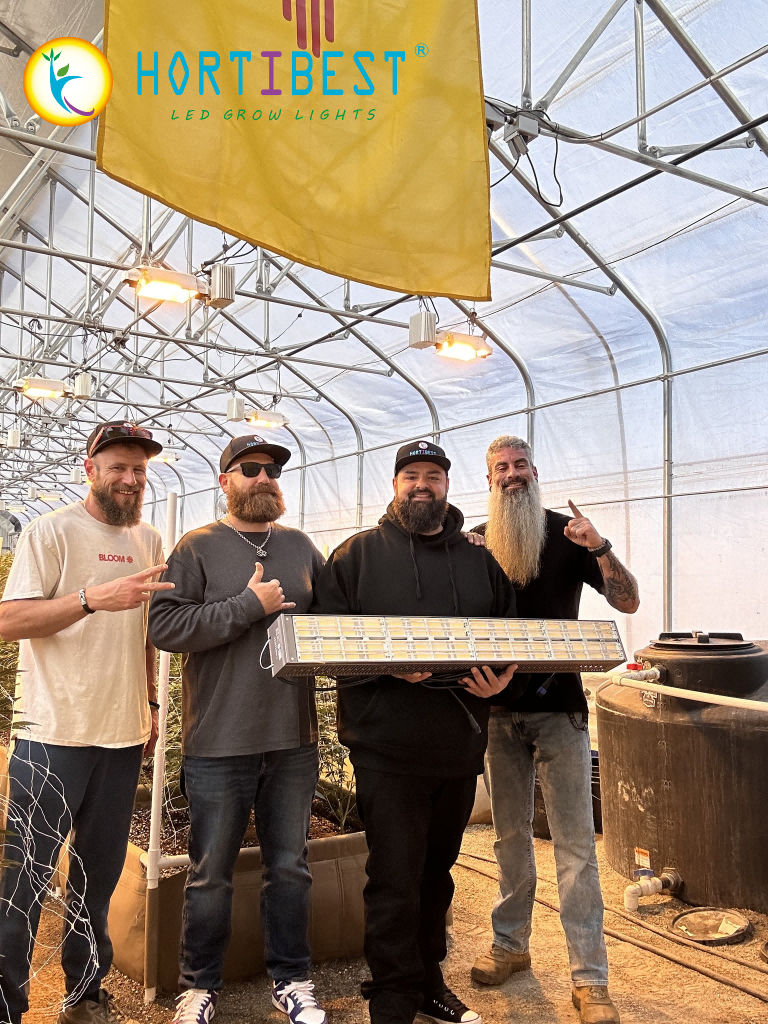 Case Study: Why an HPS Grower Switched to Shark‑2600 – Not for Savings, but for Even Light from Top to Bottom
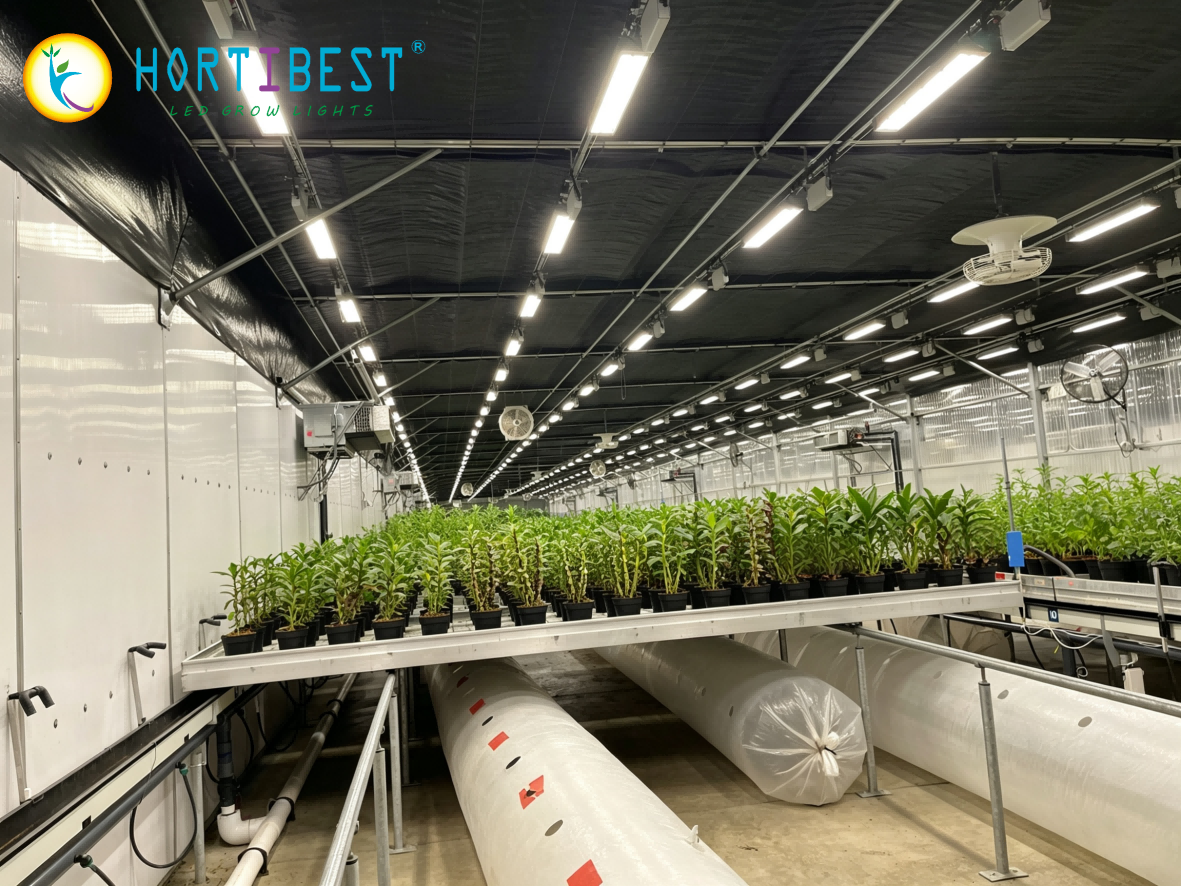 What Size Grow Light Do You REALLY Need? Stop Asking Watts – Use PPF, PPFD & DLI Instead
 HortiBest LED Grow Lights-Development History
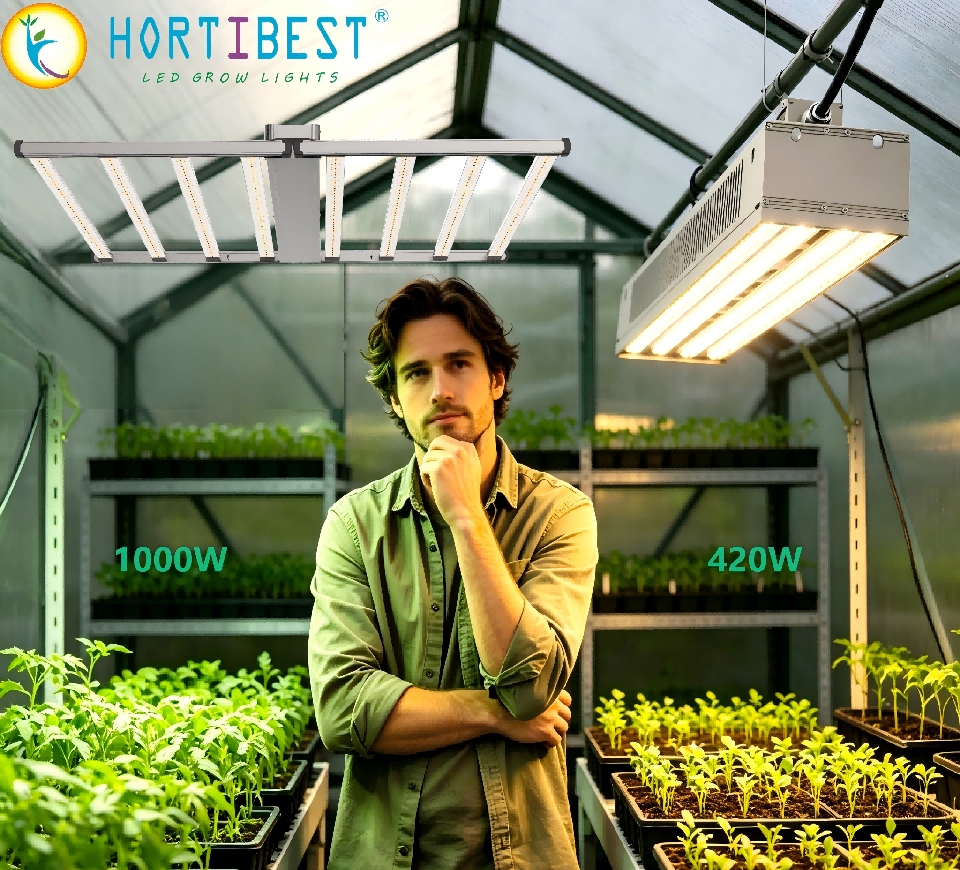 1000W vs 400W Grow Light: Which One Fits Your Grow?


