Since 2005, we have been deeply engaged in LED lighting manufacturing. With over 20 years of industry experience, we have grown from a general LED lighting manufacturer into a comprehensive horticultural solution supplier.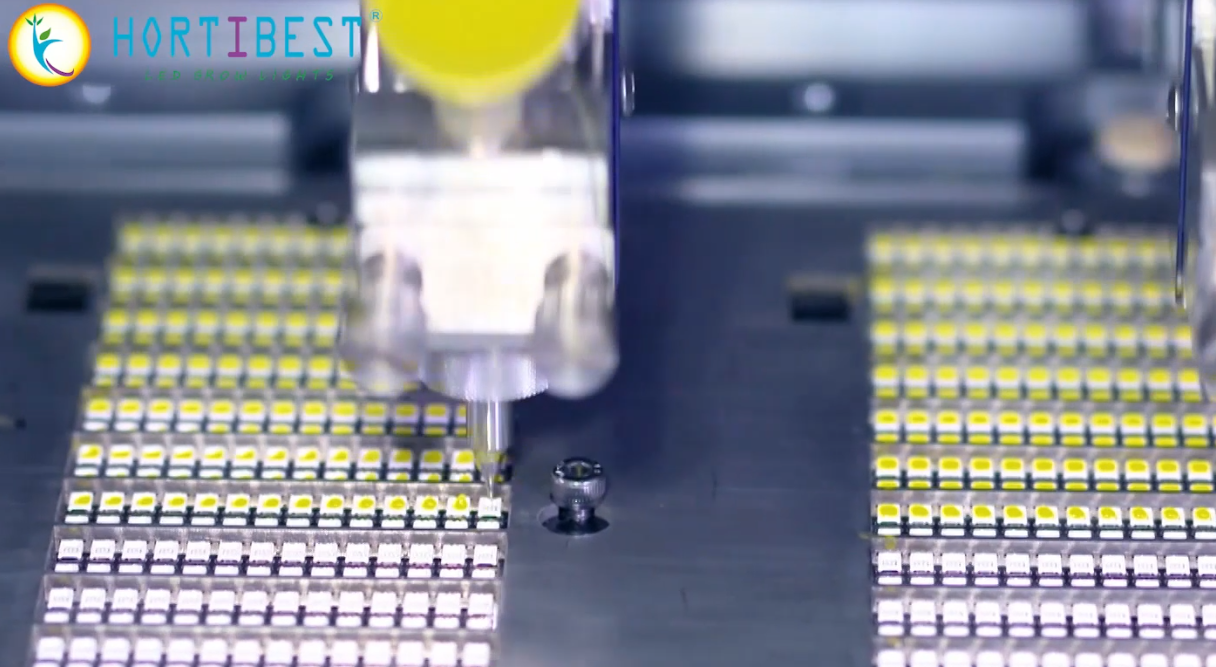
Our full product range includes commercial high-value crop grow lights, greenhouse & vertical farm grow lights, linear supplementary lights, under-canopy lights, grow racks, smart controllers and electric grow light lifts.
In 2016, we made a decisive strategic shift to fully focus on the R&D and production of professional LED grow lights. At that time, the horticultural lighting market was immature and full of uncertainties. We invested huge sums of capital into independent core technology research, precise spectrum calibration and long-term durability tests, with no clear prospect of market acceptance.
Our early market journey was extremely tough. Our products saw slow sales amid fierce industry competition. Faced with heavy R&D and operational cost pressures, we never compromised on product quality or slowed down technical upgrades. We kept optimizing product performance based on real-field planting feedback, refined every technical detail, and persisted through the hardest period of brand development.
Through years of unremitting efforts and technical accumulation, we finally gained solid industry recognition. Today, we boast a complete and mature product lineup tailored for diverse planting scenarios.
All our products are professionally optimized to fit various growing environments and different crop growth cycles. Featuring scientific full-spectrum design, high luminous efficiency, superior heat dissipation and ultra-long service life, we are capable of delivering one-stop customized planting & lighting solutions for home growers, commercial greenhouses and large-scale vertical farming projects.
We have earned widespread trust and praise from global growers by virtue of stable product quality and outstanding actual planting results. We always prioritize growers’ practical demands, continuously upgrade our products, and strive to deliver more energy-saving, high-efficiency and cost-effective horticultural planting equipment to clients worldwide.
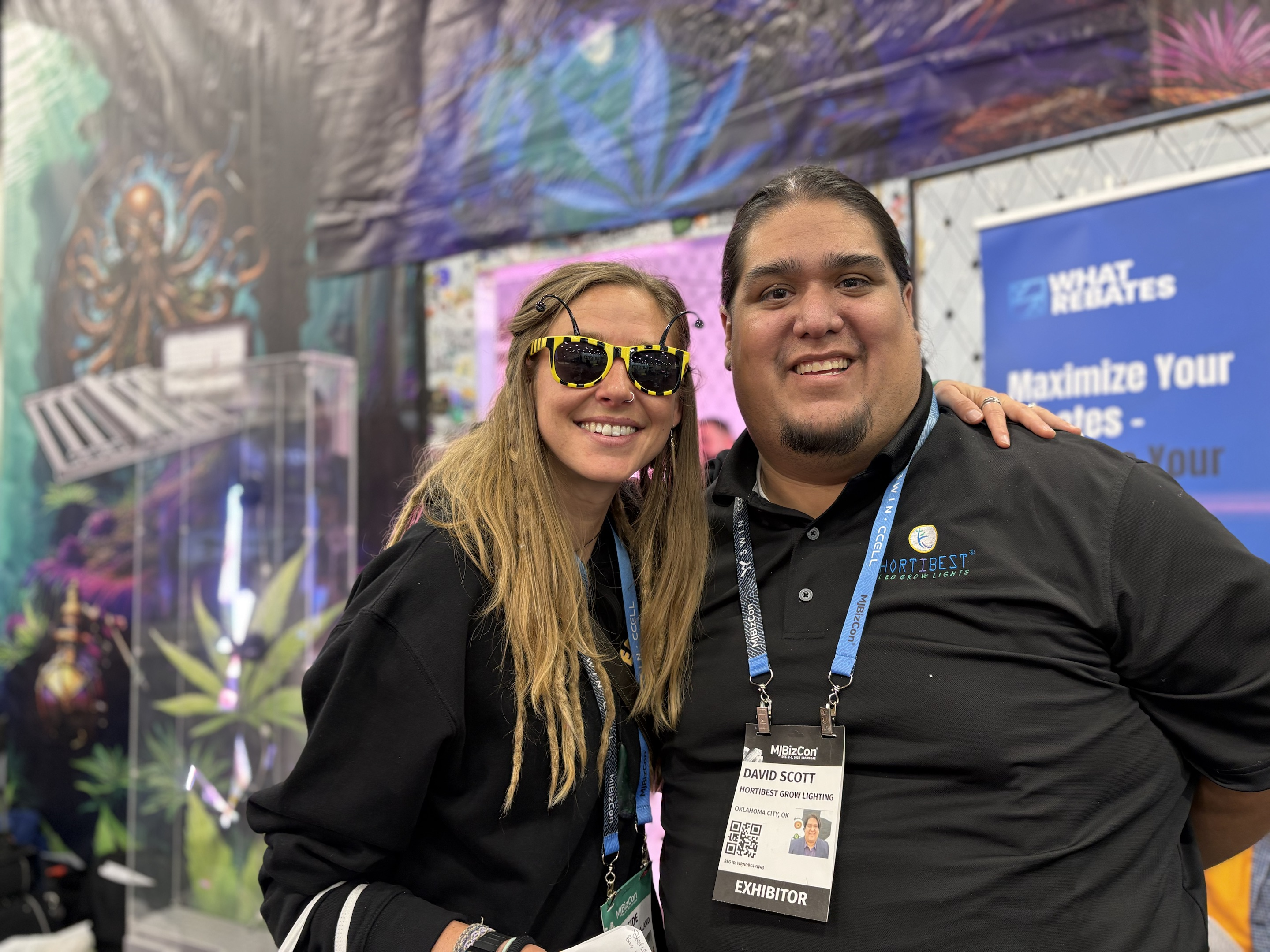
We are HortiBest. Light the world, light the life.
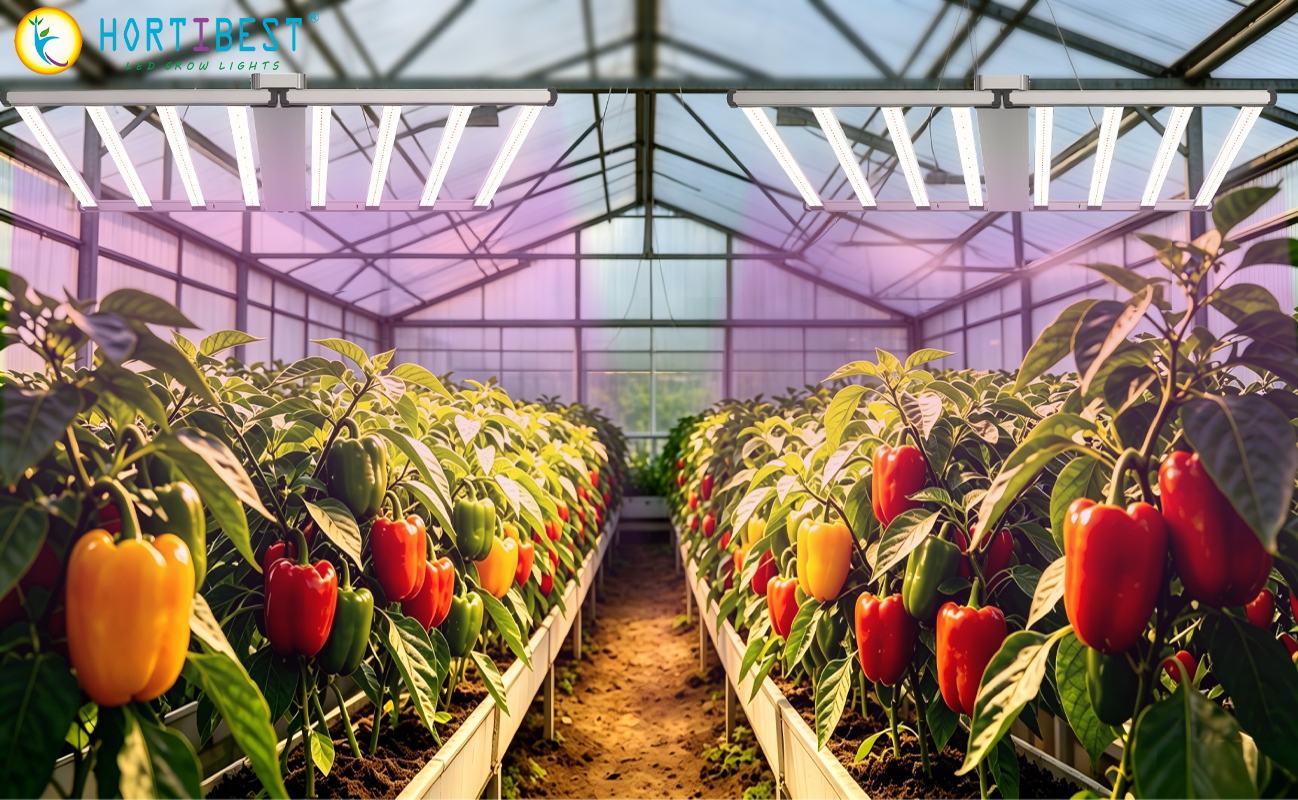 Far-Red Lighting Fixes Low-Light Fruit Drop for Bell Pepper Greenhouses
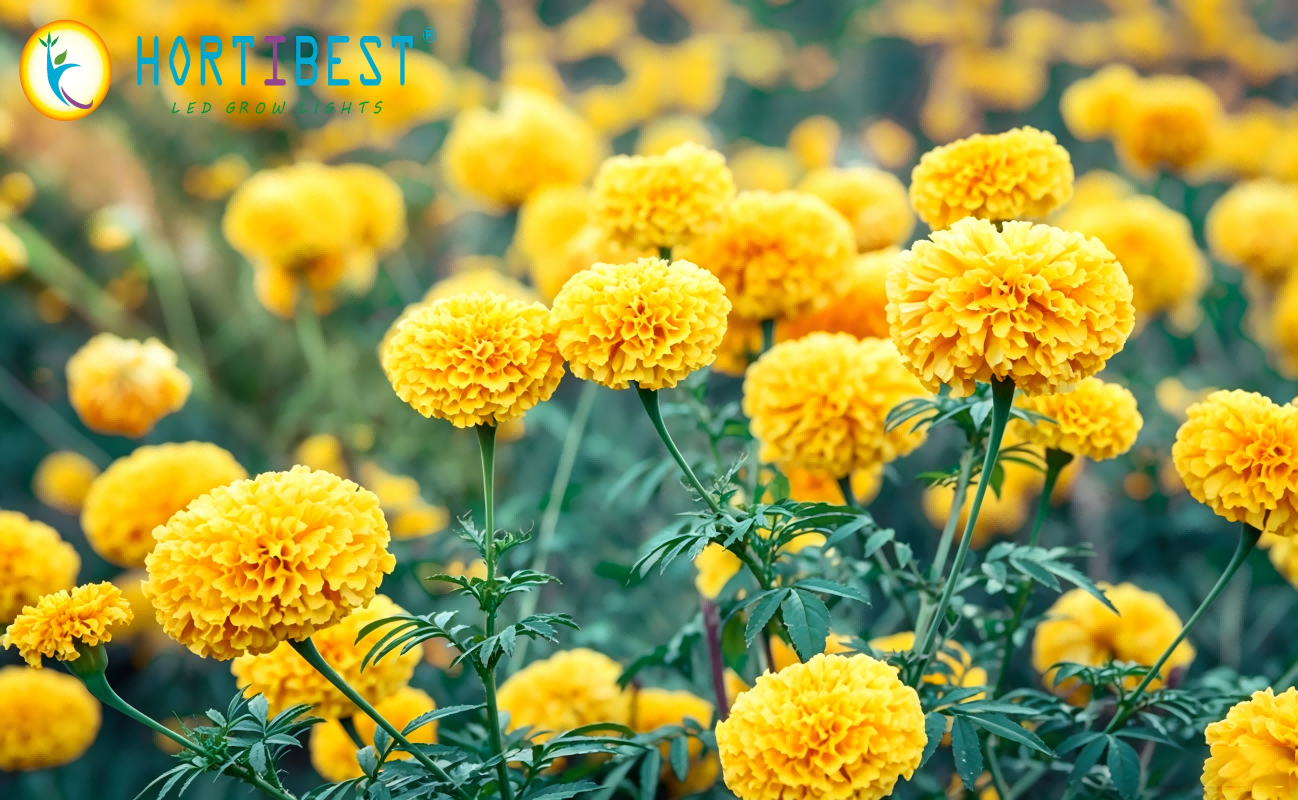 Best Commercial Crops to Grow in US Greenhouses This July
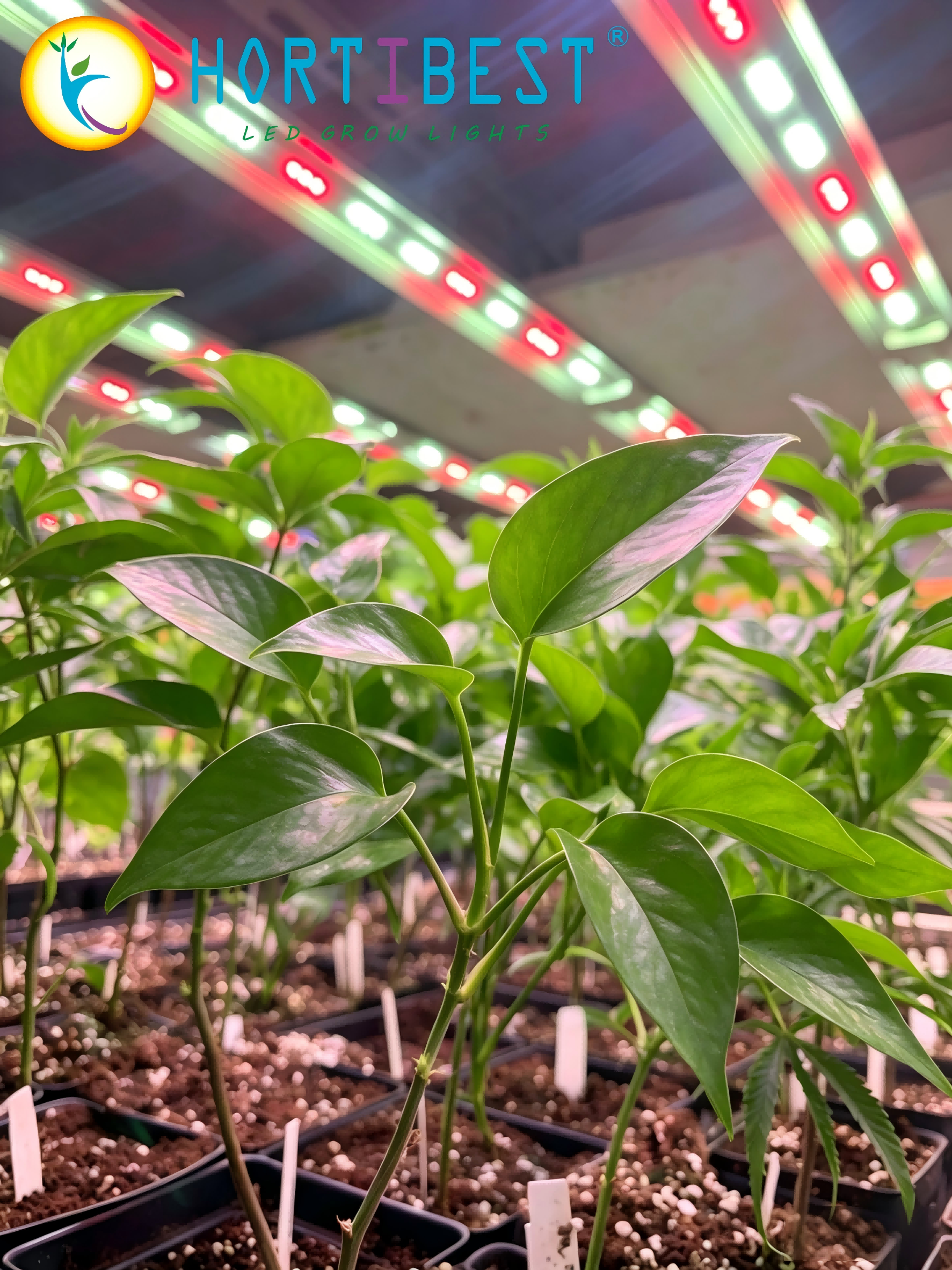 Why Full Spectrum LEDs with Green, Far-Red & UV Deliver Richer Terpenes, Vivid Anthocyanins & Bigger Harvests
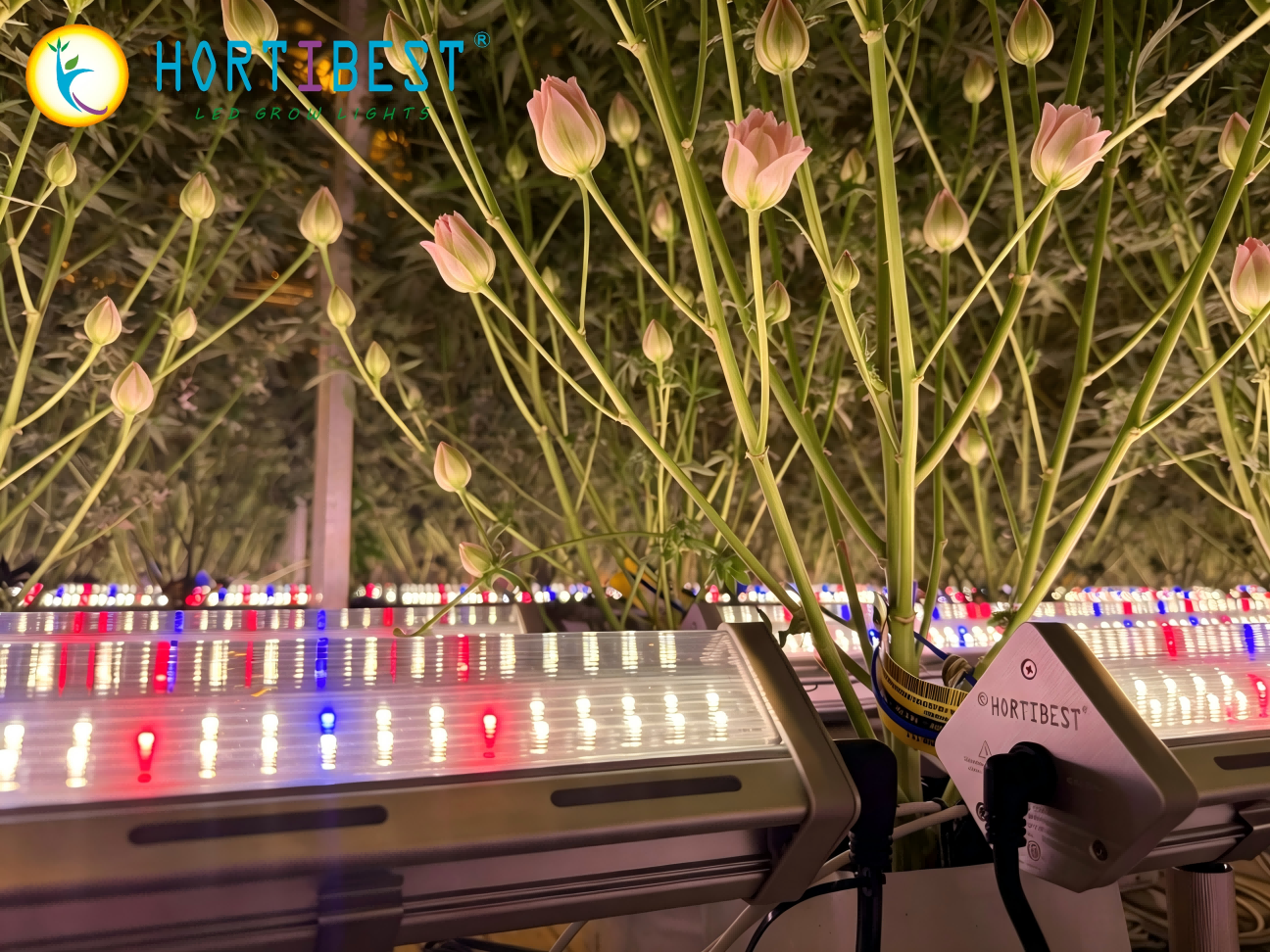 The Commercial Grower's Dilemma: How to 2x Yield Without Sacrificing Quality


