In the cutthroat world of commercial specialty crop cultivation, there's an age-old debate: Yield vs. Quality. Many growers believe you have to sacrifice one for the other. But the top 1% of producers know the truth—it's about precision, not compromise.
Based on the latest horticultural research and industry best practices, we've distilled the core strategies that allow you to maximize your harvest weight while locking in that premium flavor and potency.
Here are the 10 non-negotiables for your next grow cycle:
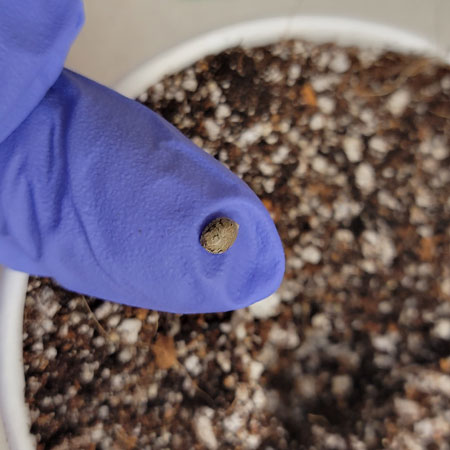
1. Start with the Right Blueprint (Genetics)
It sounds obvious, but it's often overlooked. You can't expect a sports car performance from a sedan engine. Select cultivars that not only promise high yield but also have stable genetics for terpene and cannabinoid expression. Your seed is your foundation.
2. Master the "Underground Economy" (Root Zone)
Your plants are only as strong as their roots.
Medium: Use aerated substrates like Coco Coir + Perlite.
Water Temp: Keep it between 68°F - 72°F (20-22°C). Cold water shocks the roots; warm water breeds pathogens.
3. Force the Structure (Early Training)
Don't let your plants grow wild. Use Topping and LST (Low Stress Training) during veg to create a flat canopy. This ensures every bud site gets equal light exposure, turning your plant into a "bush" of flowers rather than a single Christmas tree.
4. Feed Like a Scientist (Precision Nutrition)
Dumping nutrients isn't feeding; it's gambling.
Less is More: Frequent, low-volume watering prevents salt buildup.
Monitor: Check your EC and pH religiously. In bloom, increase Phosphorus and Potassium, but stop short of the toxicity threshold.
5. Engineer the Perfect Climate
Your grow room is a machine.
Airflow: Horizontal fans at canopy level strengthen stems and prevent mold.
Humidity: In late bloom, keep RH between 40-50%. This is the #1 defense against Botrytis (bud rot).
6. Hack the Light (Spectrum & Intensity)
This is where technology meets biology.
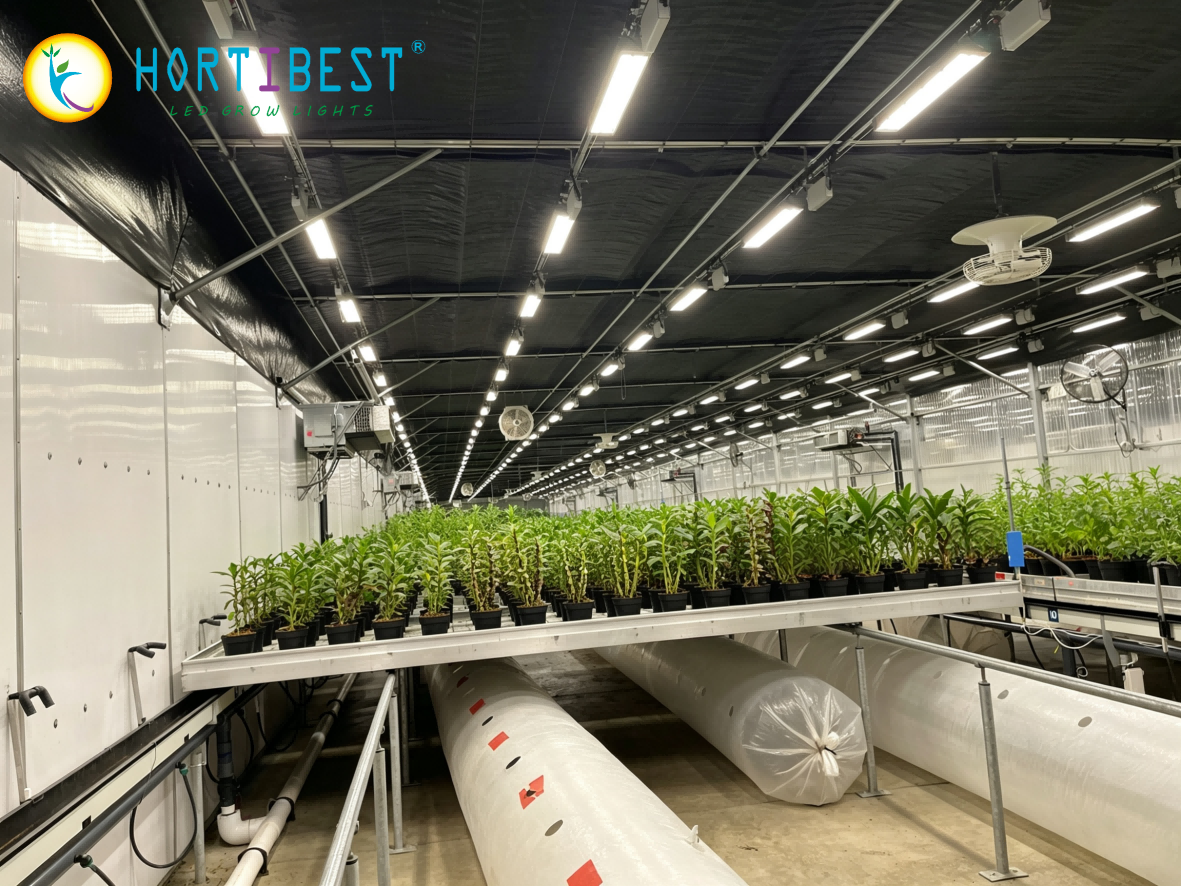
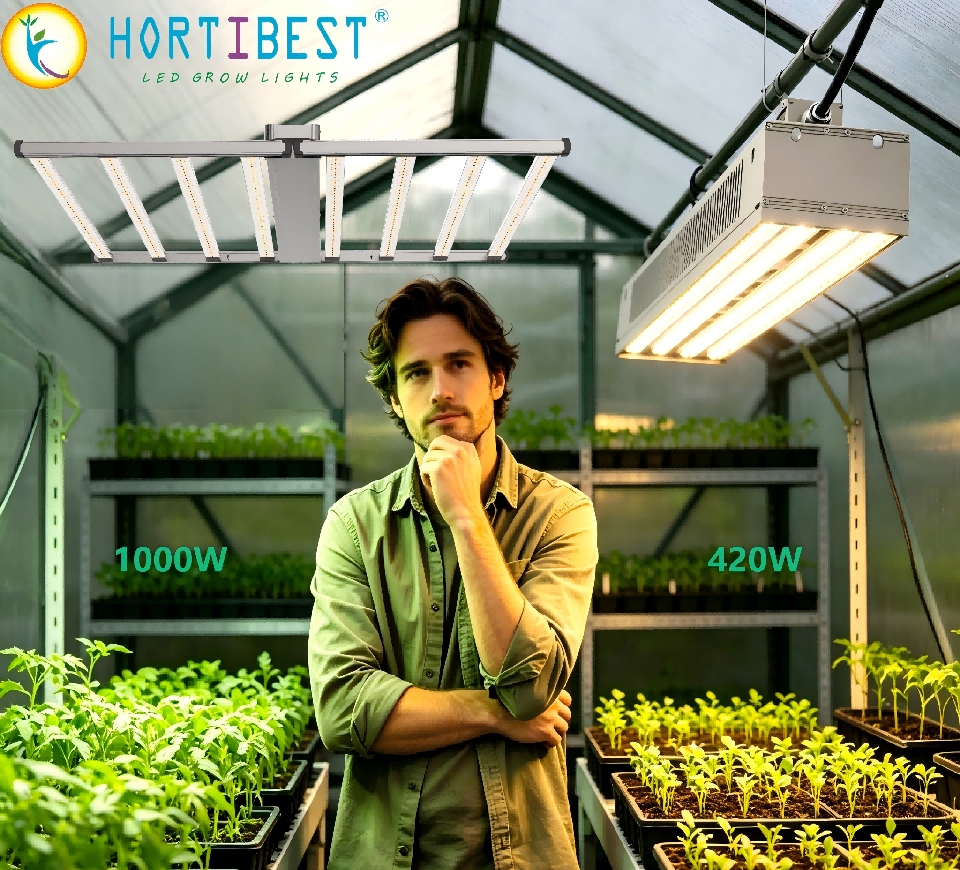
Uniformity: If you're running 1000W+ fixtures, ensure there are no shadow zones. Overlap your light spreads.
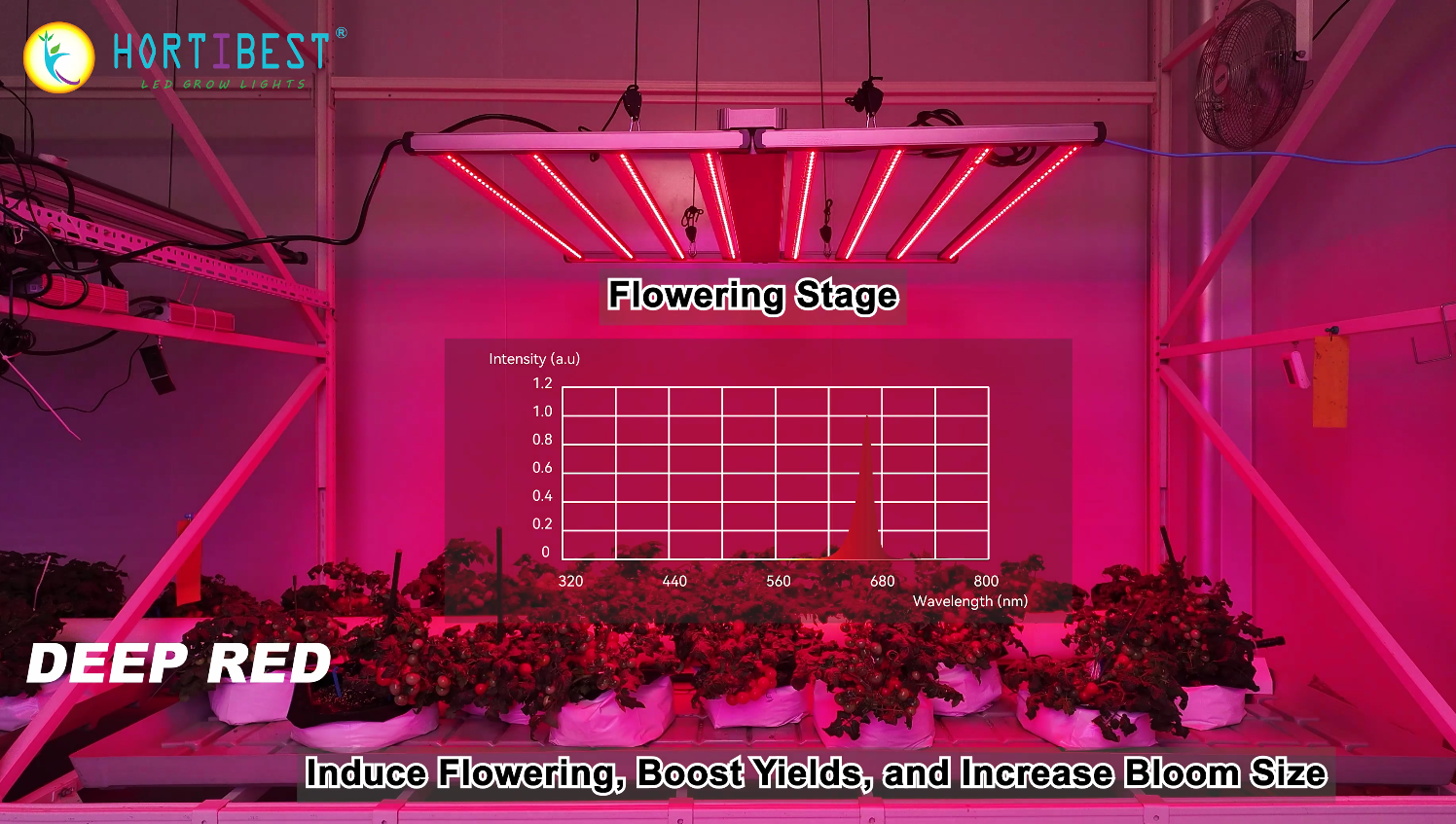
Spectrum Shifting: Use your Dual/3-Channel LED to your advantage.
Veg: Boost Blue light for tight nodes.
Bloom: Switch to Red/Far-Red dominant spectrums to trigger massive floral development.
7. Rethink Pruning: Light is the Real Key (Defoliation vs. Supplemental Lighting)
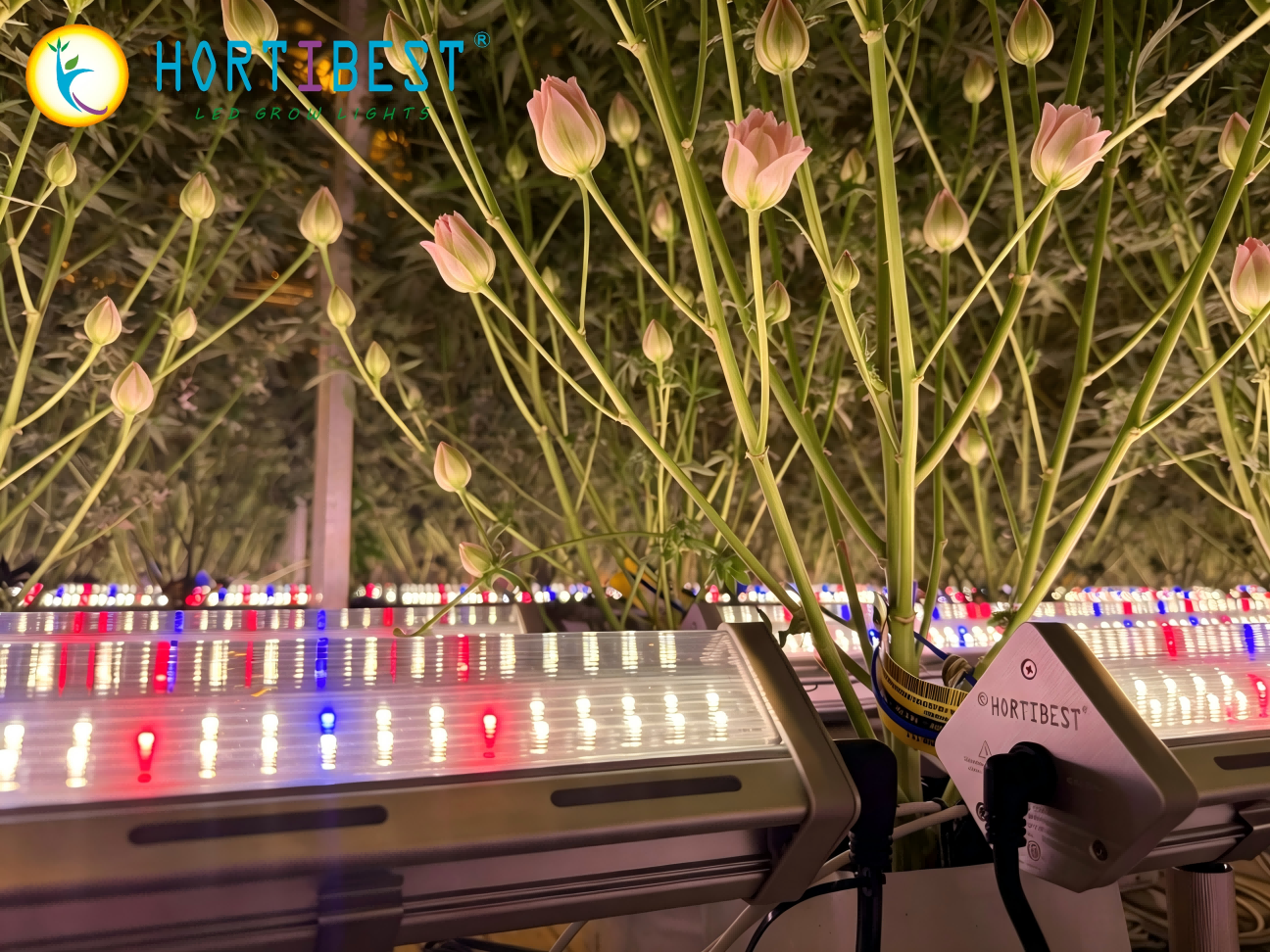
Traditional advice suggests stripping away fan leaves to let light reach lower buds. But why sacrifice photosynthetic power? Instead of over-pruning, strategic under-canopy lighting is the game-changer.
By installing supplemental lights beneath the canopy, you directly energize the lower branches without removing vital foliage. This turns potential "popcorn" nugs into dense, high-value colas, maximizing both your total biomass and quality.
8. Go Green with Defense (Biologicals)
Stop spraying harsh chemicals that degrade your product's natural aromatics.
Beneficials: Introduce predatory mites (Amblyseius) to handle pest populations naturally.
Microbials: Drench roots with Bacillus subtilis to build a resilient, natural immune system .
9.Harvest at the Peak (Trichome Timing)
Timing is everything. Never harvest based on a calendar alone; harvest based on magnification. When resin glands transition from clear to milky white, with just a hint of amber, you have hit the absolute sweet spot for maximum potency and sensory expression .
10. The Art of Curing (Post-Harvest)
Do not rush the money. A slow cure is what separates amateur homegrow from premium commercial grade. Dry slowly for 10-14 days at 60-65°F and 55% RH. This patient process preserves volatile terpenes and oxidizes chlorophyll, delivering a smooth, aromatic final product .
Commercial success is not about doing one thing perfectly; it is about optimizing every single variable. From the water temperature in your reservoir to the spectral curve of your lighting, marginal gains add up to massive profits.
Ready to transform your harvest? Contact us today to upgrade your setup.
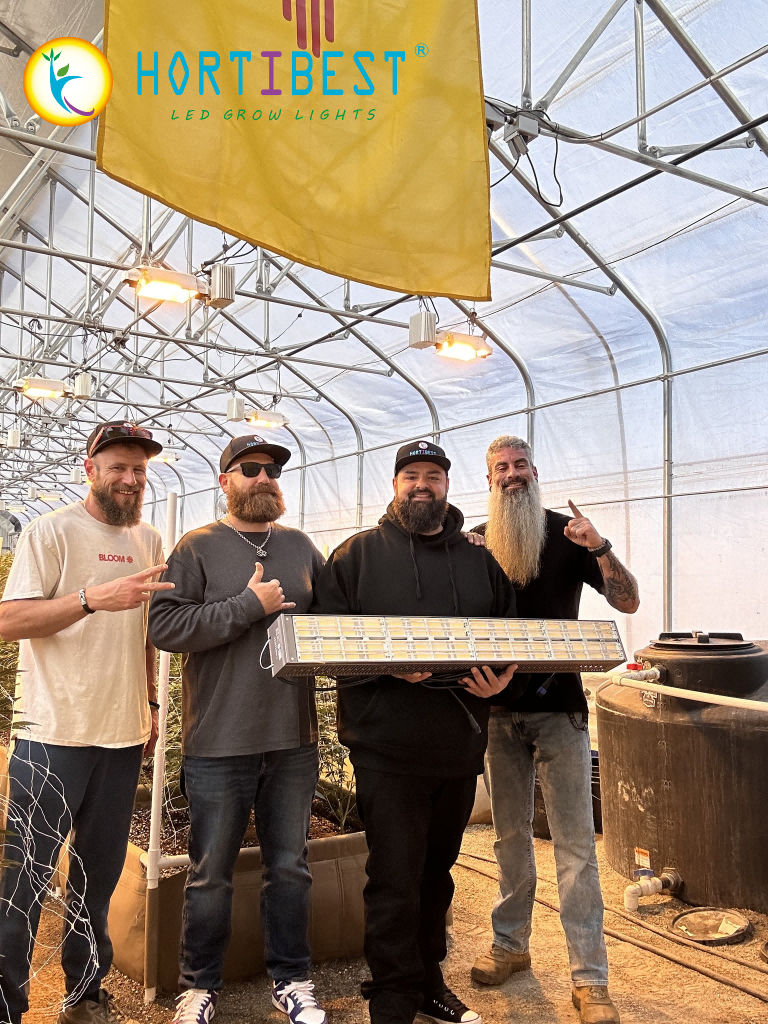 Case Study: Why an HPS Grower Switched to Shark‑2600 – Not for Savings, but for Even Light from Top to Bottom
 What Size Grow Light Do You REALLY Need? Stop Asking Watts – Use PPF, PPFD & DLI Instead
 HortiBest LED Grow Lights-Development History
 1000W vs 400W Grow Light: Which One Fits Your Grow?


