Quick Tip on Greenhouse Lighting: How Much Do You Know About the Best Light Recipe for Plants?
The ideal light mix ("spectrum") for plant grow lights is usually:
Red Light (620-680nm): 60-70%
Blue Light (400-520nm): 20-30%
Far-Red Light (720-735nm): 5-10%
Plus a tiny bit of UV-B light to help shape the plant.
This mix mimics sunlight, helping plants photosynthesize and grow better.
1. Key Light Colors & What They Do
Plants grow mainly through photosynthesis, which relies heavily on red and blue light.
Red Light (620-680nm): Super important for photosynthesis, flowering, fruiting, and making stems taller.
Blue Light (400-520nm): Big impact on overall growth and sprout formation. It controls how plants bend towards light (phototropism).
Far-Red Light (720-735nm) and a little UV-B also help plants grow well.
2. When to Use Red Light on Seedlings & How it Helps
Seedlings need red light during sprouting, the young seedling stage, growth stage, and fruiting stage – but the timing changes. For example, during sprouting, keep sessions under 1 hour. Red light makes a big difference: it boosts photosynthesis, helps the plant grow, makes it tougher against stress, and can lead to earlier flowers and fruit, meaning better yields and quality.
A. Timing Red Light for Seedlings
Getting the timing right for red light is key for young plants. It changes as they grow:
Sprouting Stage: Keep things moist. Give red light in the early morning or late evening, for less than 1 hour per session. This wakes up photosynthesis and helps seeds sprout.
Young Seedling Stage: As they get bigger, you can give red light for 2-3 hours per session. Make sure the brightness is right to help them grow strong.
Growth Stage: Plants need more light now. Try switching between red and blue light. This gives them what they need for photosynthesis and a better overall light balance.
Fruiting Stage: Cut back on red light a bit to avoid messing with fruit quality.
B. How Red Light Helps Seedlings
Red light is a key player in photosynthesis and helps seedlings in several ways:
Boosts Photosynthesis: Helps plants produce energy more efficiently.
Promotes Growth: Makes stems grow taller, leaves bigger, and roots branch out more, leading to bushier plants.
Builds Toughness: Helps seedlings handle stress better, like cold or drought, so more survive.
Speeds Up Flowering & Fruiting: Encourages flower buds to form, leading to earlier blooms and more fruit.
Bottom Line: Red light is super important for seedlings. But too much can hurt them. So, adjust the brightness and timing based on the weather and how your plants are looking to keep them healthy and productive.
3. How Much Light Do Plants Need? (PPFD)
Plant grow lights work well when the light intensity (measured as PPFD) is between 53 and 1985 umol/s/m². Different plants and growth stages need different amounts:
Example: Tomatoes need at least 53 umol/s/m² to grow (this is their "light compensation point") and max out around 1985 umol/s/m² (their "light saturation point").
Example: Roses need at least 62 umol/s/m² and max out around 596 umol/s/m².
Light Needs by Growth Stage:
Seedling Stage: Aim for 100-300 PPFD.
Growth Stage: Aim for 200-600 PPFD.
Flowering Stage: Aim for 600-1000 PPFD.
How to Pick the Right Grow Light
Light Strength (PPFD) & Distance: Check the PPFD numbers and how far the light hangs. Use a light meter to make sure it's in the right range. Hang higher-power lights farther away.
Focusing the Light: Grow lights mimic sunlight's colors but aren't as powerful as the real sun. You need to focus the light right onto the plants to avoid wasting energy and get results faster. Lights with "focusing lenses" do this best – they make the light stronger (higher PPFD), brighter, and more even across your plants.
Light Color (Spectrum): Main types are "full spectrum" and "red/blue spectrum". Full spectrum lights have more green light and peak red at 660nm, which is great for plants. Regular white lights peak around 610nm red and aren't ideal. Picking the right light color is crucial.
Light Fading (Degradation): Grow lights run hot and long, which can make the LEDs wear out faster, causing the light to dim ("light fade"). When choosing a light, look at the cooling/heat management. Lights with good cooling tech (patented is a bonus!) last longer.
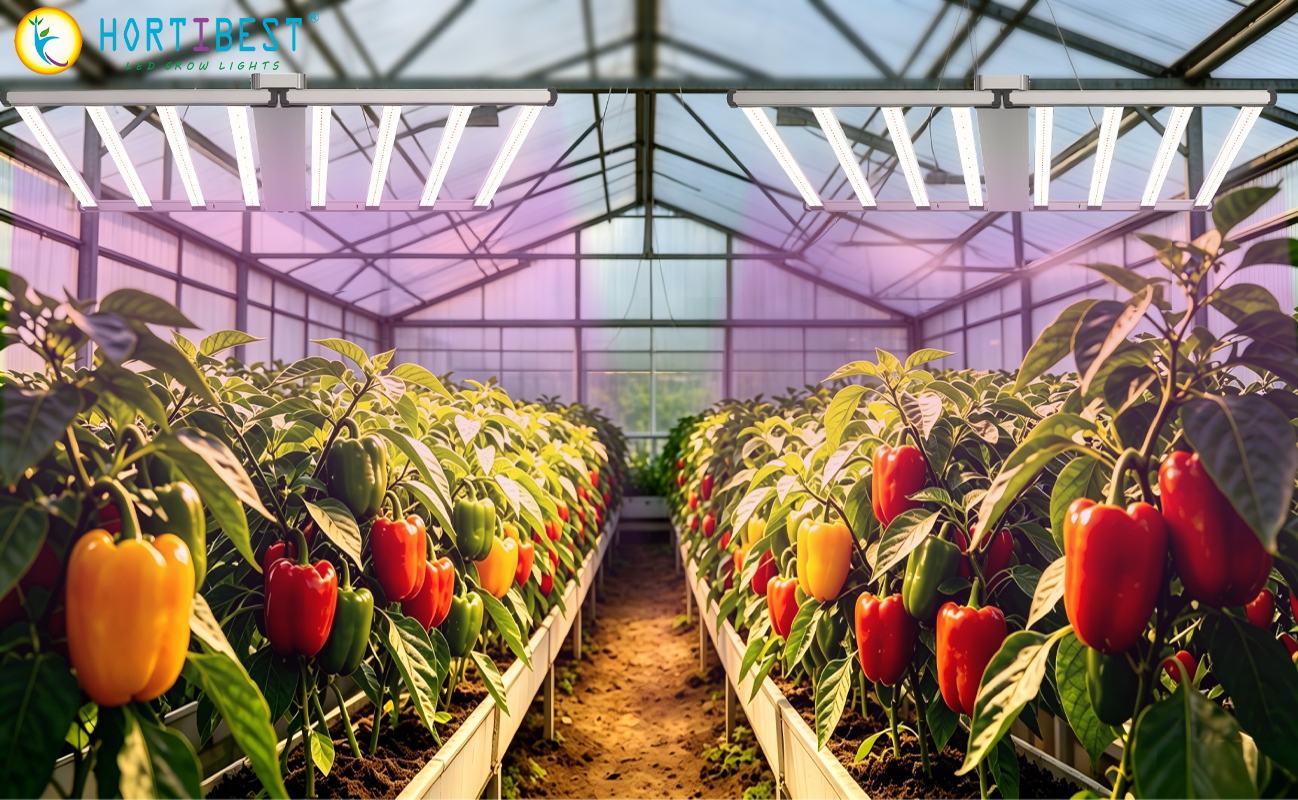 Far-Red Lighting Fixes Low-Light Fruit Drop for Bell Pepper Greenhouses
 Best Commercial Crops to Grow in US Greenhouses This July
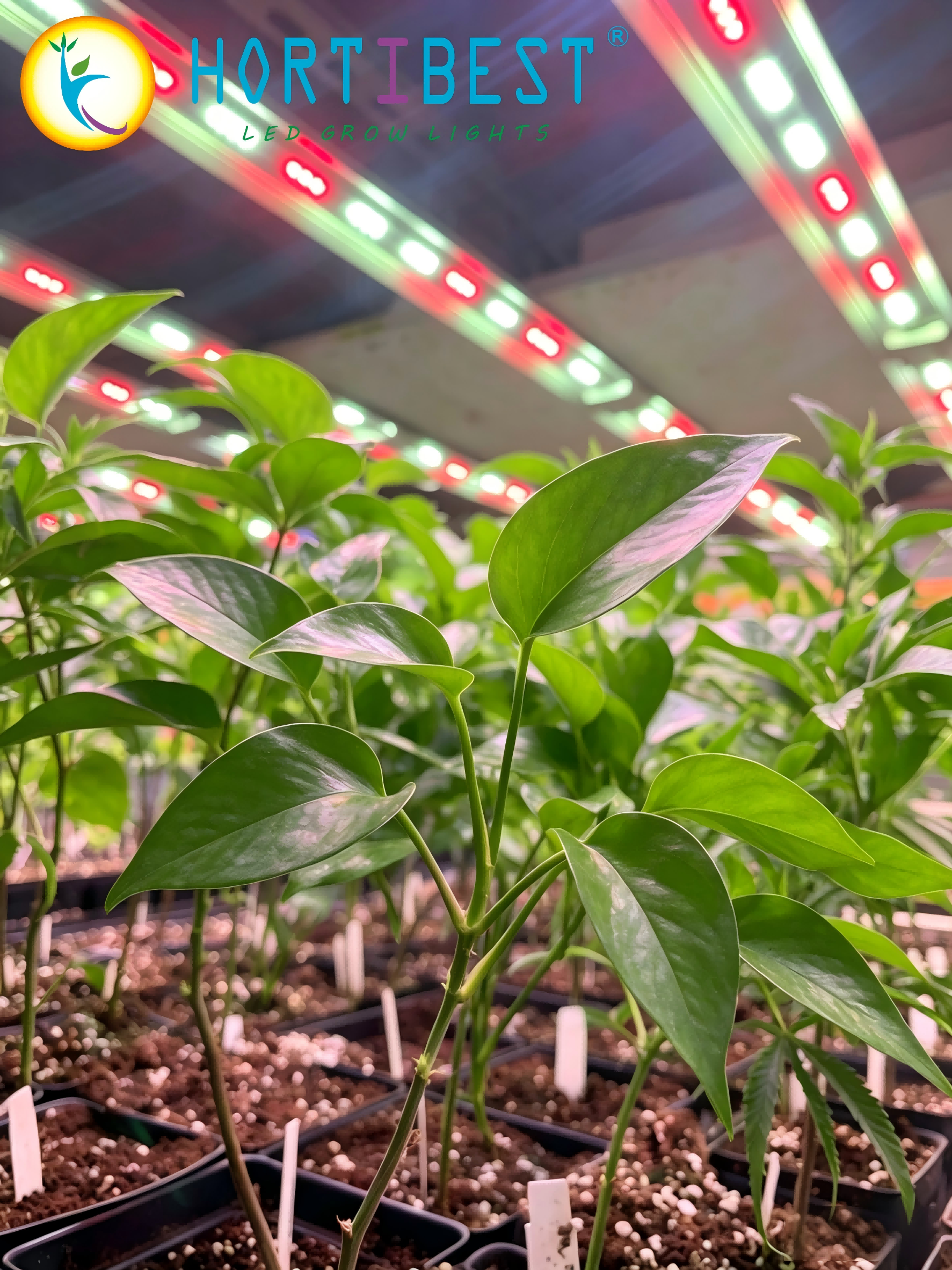 Why Full Spectrum LEDs with Green, Far-Red & UV Deliver Richer Terpenes, Vivid Anthocyanins & Bigger Harvests
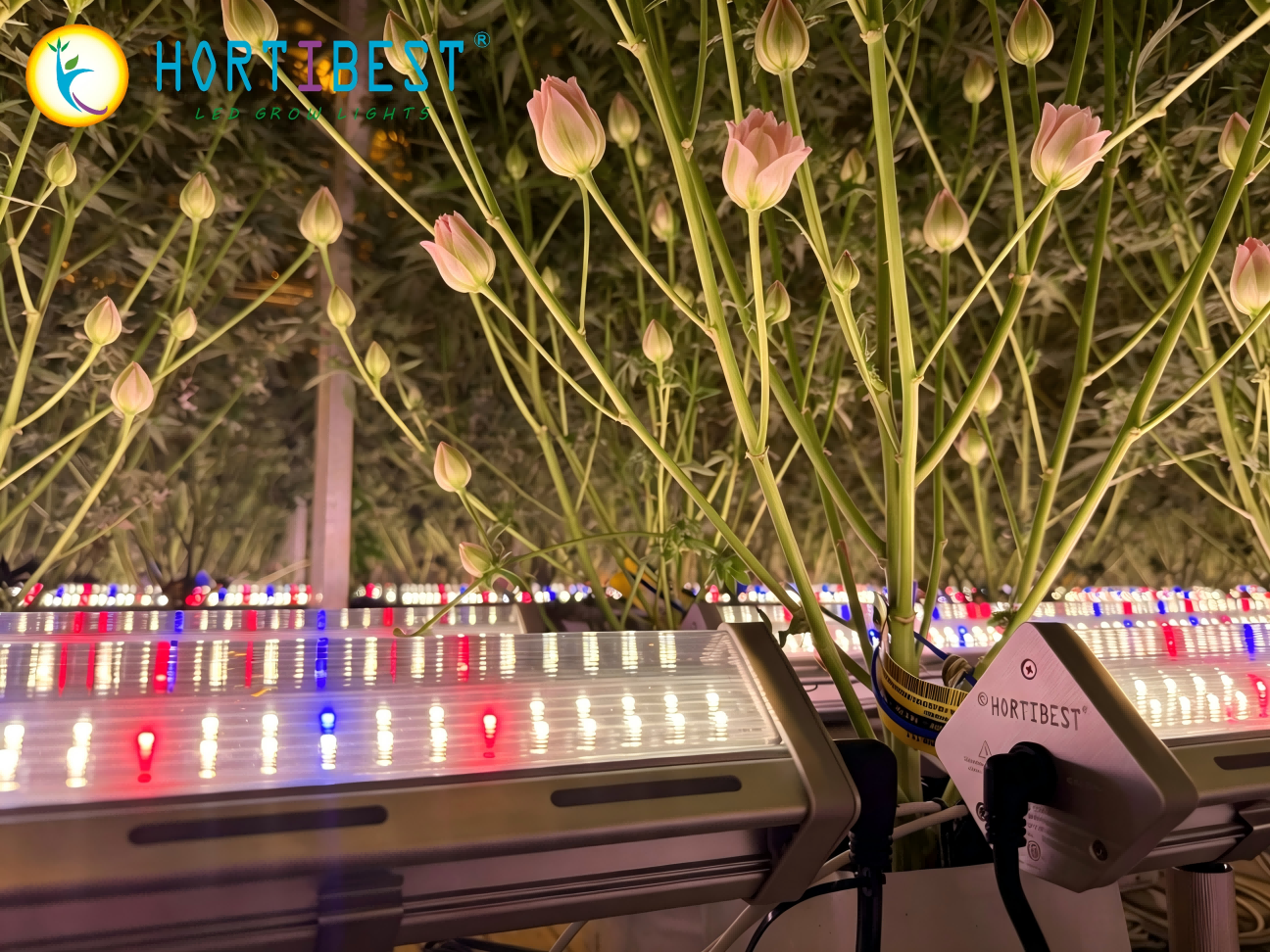 The Commercial Grower's Dilemma: How to 2x Yield Without Sacrificing Quality


