How to Maximize Light in Greenhouse Grows

Views : 654
Author : joan
Update time : 2025-08-08 17:00:32
As the world of farming evolves, so does our understanding of how to optimize greenhouse environments for maximum efficiency. One key factor that can make or break your greenhouse operation is light. In this blog post, we will delve into the importance of harnessing the power of the sun and share valuable insights and actionable steps to help you maximize light in your greenhouse. So, let's shed some light on this vital topic!

Understanding the Importance of Light
Light is the fuel that powers photosynthesis, the process by which plants convert light energy into chemical energy, enabling them to grow and thrive. As greenhouse growers, it is crucial to provide an environment that ensures plants receive the optimum amount and quality of light. Adequate light exposure directly impacts the plant's growth rate, yield, and quality of the final product.

Sunlight vs. Artificial Lighting
A study conducted by the University of California Cooperative Extension compared the growth of tomatoes in greenhouses using sunlight versus artificial lighting. The results showed that plants grown under natural sunlight had superior growth and yield compared to those grown under artificial lighting. This highlights the significance of harnessing the power of the sun in greenhouse growing.

Light Spectrum Optimization
In a cannabis cultivation case study conducted by a renowned research institution, plants were exposed to different light spectra to determine the optimal spectrum for growth and cannabinoid production. The study concluded that specific light spectra, such as a combination of blue and red wavelengths, led to increased yields and higher cannabinoid content in the harvested buds.

Evaluate Greenhouse Orientation
Ensure your greenhouse is positioned to receive maximum sunlight throughout the day. South-facing orientations generally receive the most sunlight in the Northern Hemisphere, while north-facing orientations work best in the Southern Hemisphere. Minimize obstructions like trees or buildings that could shade your greenhouse.

Utilize Light-Transmitting Materials
Choose greenhouse coverings that allow for high-light transmission, such as glass or polycarbonate. Regularly clean the coverings to prevent dust or dirt buildup, which can reduce light penetration.

Optimize Light Distribution
Consider installing light-diffusing materials or shade cloths to ensure even light distribution within the greenhouse. This helps prevent shadows and ensures all plants receive an equal share of light.

Supplemental Lighting
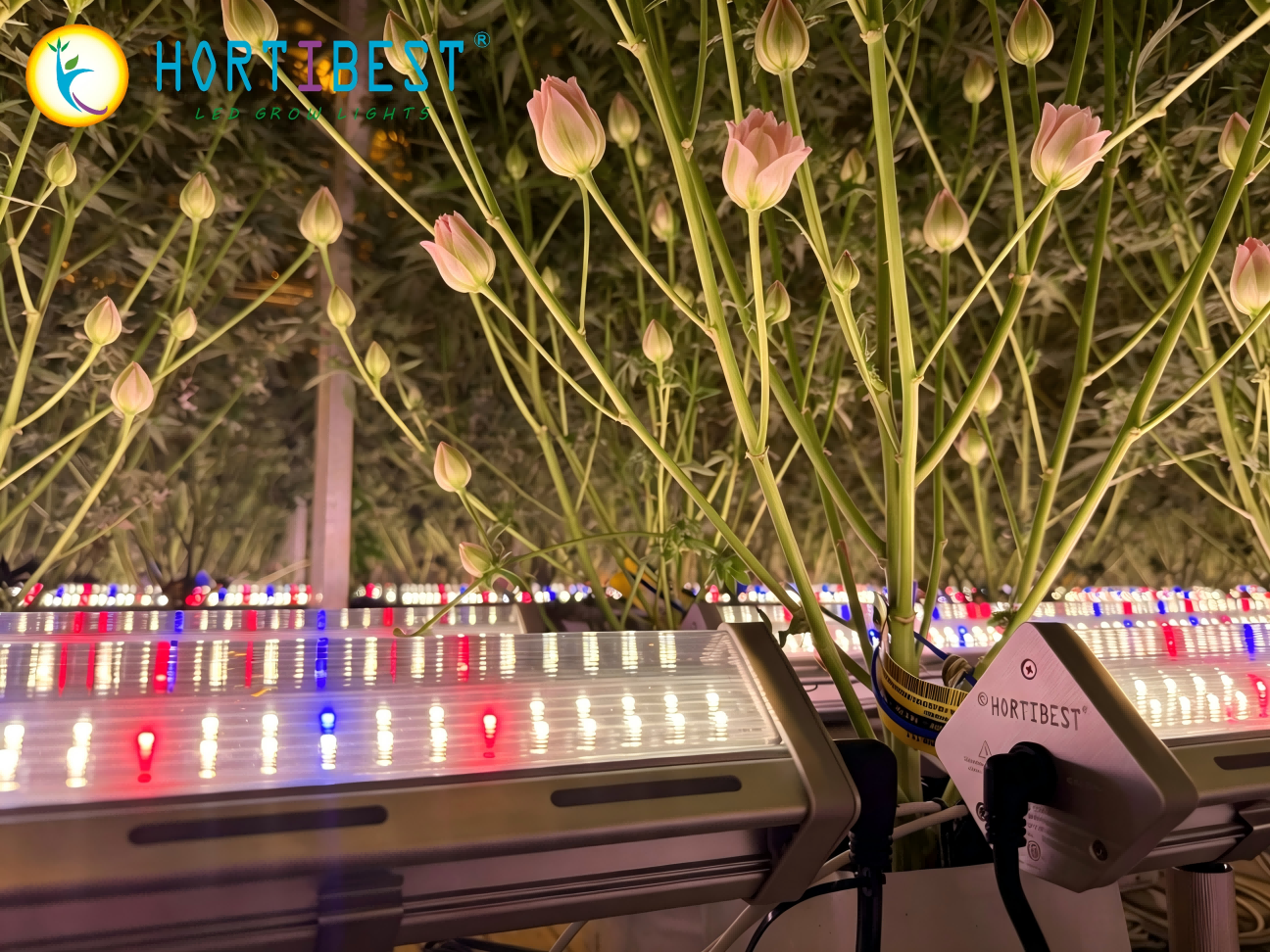
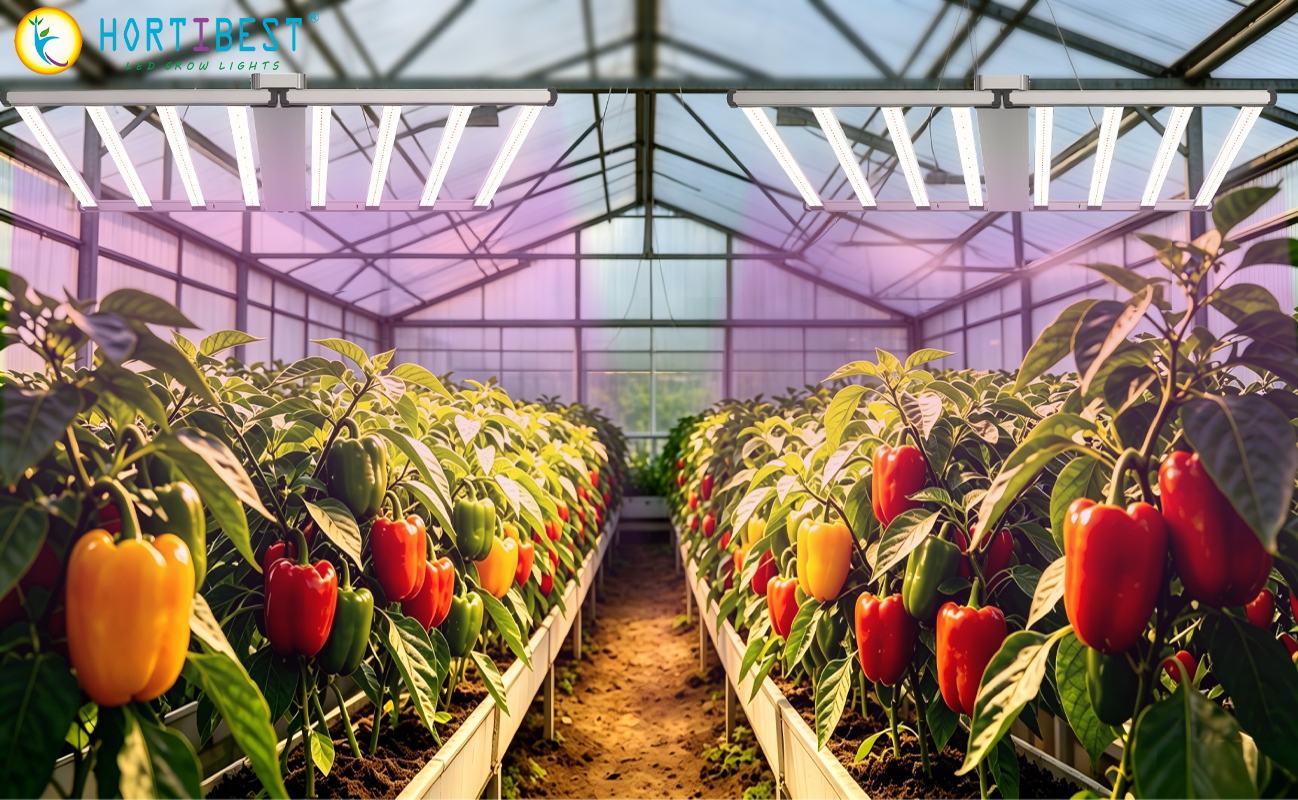
In regions with limited sunlight or during the winter months, supplement natural sunlight with artificial lighting. LED grow lights are energy-efficient and can be tuned to provide the optimal light spectrum for plant growth. Use lighting systems that mimic the intensity and duration of natural sunlight to promote healthy and vigorous plant development.

Pruning and Training
Regularly prune and train your plants to maintain an open canopy structure. This allows for better light penetration and ensures each leaf receives an adequate amount of light. Removing shaded or overcrowded foliage helps redirect energy to the healthier parts of the plant.

By harnessing the power of the sun and optimizing light in your greenhouse, you can significantly enhance the growth, yield, and quality of your crops. Through careful evaluation of greenhouse orientation, utilizing light-transmitting materials, optimizing light distribution, incorporating supplemental lighting, and employing pruning techniques, you can create an environment that empowers your plants to thrive.

Remember, understanding the unique light requirements of your specific crops and continuously adapting your practices based on scientific research and industry insights will help you stay at the forefront of greenhouse growing.
Related News
Read More >>
Far-Red Lighting Fixes Low-Light Fruit Drop for Bell Pepper Greenhouses Far-Red Lighting Fixes Low-Light Fruit Drop for Bell Pepper Greenhouses
Jul .08.2026
Low solar radiation triggers unstable fruit set & blossom abortion for commercial bell pepper, tomato, berry & cut rose greenhouses across North America, Europe and Japan. New Japanese horticulture research proves independently tunable far-red spectrum stabilizes fruiting yield. HortiBest OG8-3300 tri-channel foldable commercial LED grow light delivers adjustable Blue 450nm, Deep Red 660nm & White+FR730nm light recipes for clone, veg and bloom stages, matching greenhouse cultivation demands in Canada, Germany, Netherlands, USA and Japan for vegetables, berries, cut flowers & resin-rich flowering crops.
Best Commercial Crops to Grow in US Greenhouses This July Best Commercial Crops to Grow in US Greenhouses This July
Jun .29.2026
July brings harsh heat & unbalanced sunlight across all USDA hardiness zones, hurting outdoor harvests for commercial growers. Climate-controlled greenhouses fix summer growing risks to produce steady, high-profit commercial greenhouse crops for fall wholesale. This zone-wise July planting guide features heat-resistant ornamental flowers, premium greenhouse herbs, zone-adapted veggies for Zones 3–6 north & 7–10 south, plus industrial hemp greenhouse propagation tips to secure bulk wholesale supply contracts.
Why Full Spectrum LEDs with Green, Far-Red & UV Deliver Richer Terpenes, Vivid Anthocyanins & Bigger Harvests Why Full Spectrum LEDs with Green, Far-Red & UV Deliver Richer Terpenes, Vivid Anthocyanins & Bigger Harvests
Jun .23.2026
Searching for premium full spectrum LED grow lights that deliver complete red, blue, green, far-red and UV wavelengths? Most basic red-blue-only LED fixtures skip vital spectrums, creating shaded canopy dead zones, weaker harvests, flat flavor, low terpenes and pale anthocyanin pigmentation. Our guide breaks down how balanced full-spectrum lighting boosts overall crop yield, speeds flowering cycles, elevates aromatic terpene levels and deepens vibrant anthocyanins for herbs, berries, leafy greens and flowering crops. Ideal for hydroponics, vertical farms and greenhouses worldwide, these all-stage dimmable full spectrum LEDs cut extra lighting costs while turning every watt of power into higher-value, market-ready produce.
The Commercial Grower's Dilemma: How to 2x Yield Without Sacrificing Quality The Commercial Grower's Dilemma: How to 2x Yield Without Sacrificing Quality
Jun .09.2026
Want denser flowers and higher profits? See why modern growers combine our tri-channel 1000 watt led grow light with under-canopy solutions to maximize photosynthesis from top to bottom. Elevate your crop quality now.