Led grow lights are light sources specifically designed to mimic sunlight exposure and are intended to provide plants with the light energy they need to grow and develop. They work on the principle that plants need and respond to different wavelengths of light.
Led grow lights typically use LED (Light Emitting Diode) technology, in which LED light emitting diodes emit specific wavelengths of light. These wavelengths can be blue, red, violet, etc., and these rays of light play an important role in plant growth and photosynthesis.
First of all, blue light is one of the crucial rays in plant growth. It plays a key role in the early stages of photosynthesis, promoting chlorophyll synthesis and leaf growth. Blue light also inhibits vertical plant growth and promotes short, sturdy stems.
Secondly, red light is also crucial for plant growth and flowering. Red light stimulates photosynthesis, increases the efficiency of energy conversion in plants, and promotes chlorophyll synthesis and the accumulation of photosynthetic products in plants. Red light can also regulate the flowering process of plants, promoting bud formation and flower opening.
In addition, Led grow lights can also provide other wavelengths of light, such as violet light and white light, according to the needs of plants. Violet light promotes plant growth and development and increases chlorophyll content. White light, on the other hand, provides full-spectrum light that mimics the spectral properties of natural sunlight and provides plants with multiple wavelengths of light energy.
By using Led grow lights, plants can be provided with the light they need at any time and in any place, whether indoors, in a greenhouse, or in other environments where adequate sunlight is not available. This is important for indoor growing, vertical farming and seasonal crops.
In a nutshell, Led grow lights utilize LED technology to provide specific wavelengths of light to meet the light needs of plants and promote photosynthesis, growth and development. By adjusting the combination of different wavelengths of light, plant grow lights can optimize the growing environment of plants, improve their yield and quality, and at the same time meet the needs of different crops at different growth stages.
 EU PPWR Packaging Regulation Takes Effect Aug 12 | How Hortibest LED Grow Lights Fully Comply
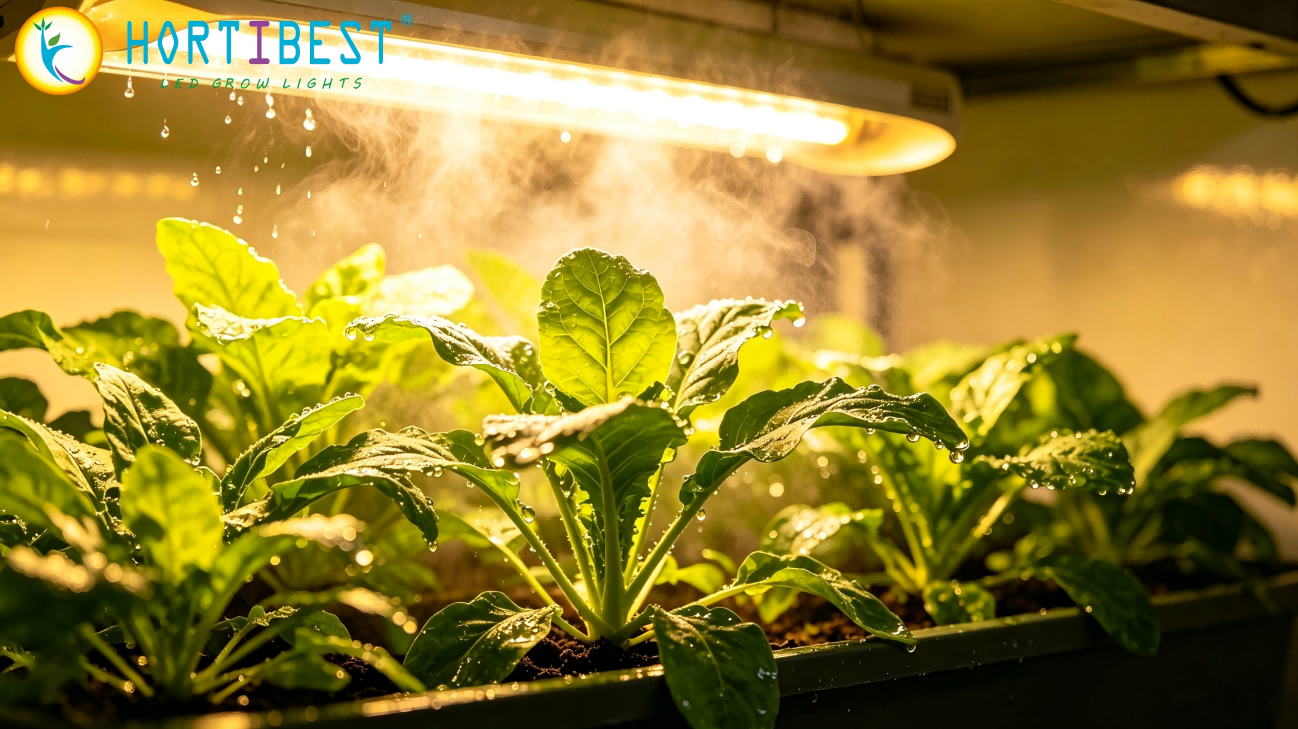 HPS to Tunable LED Grow Lights: Why Your Old Irrigation Schedule Will Cost You Yields
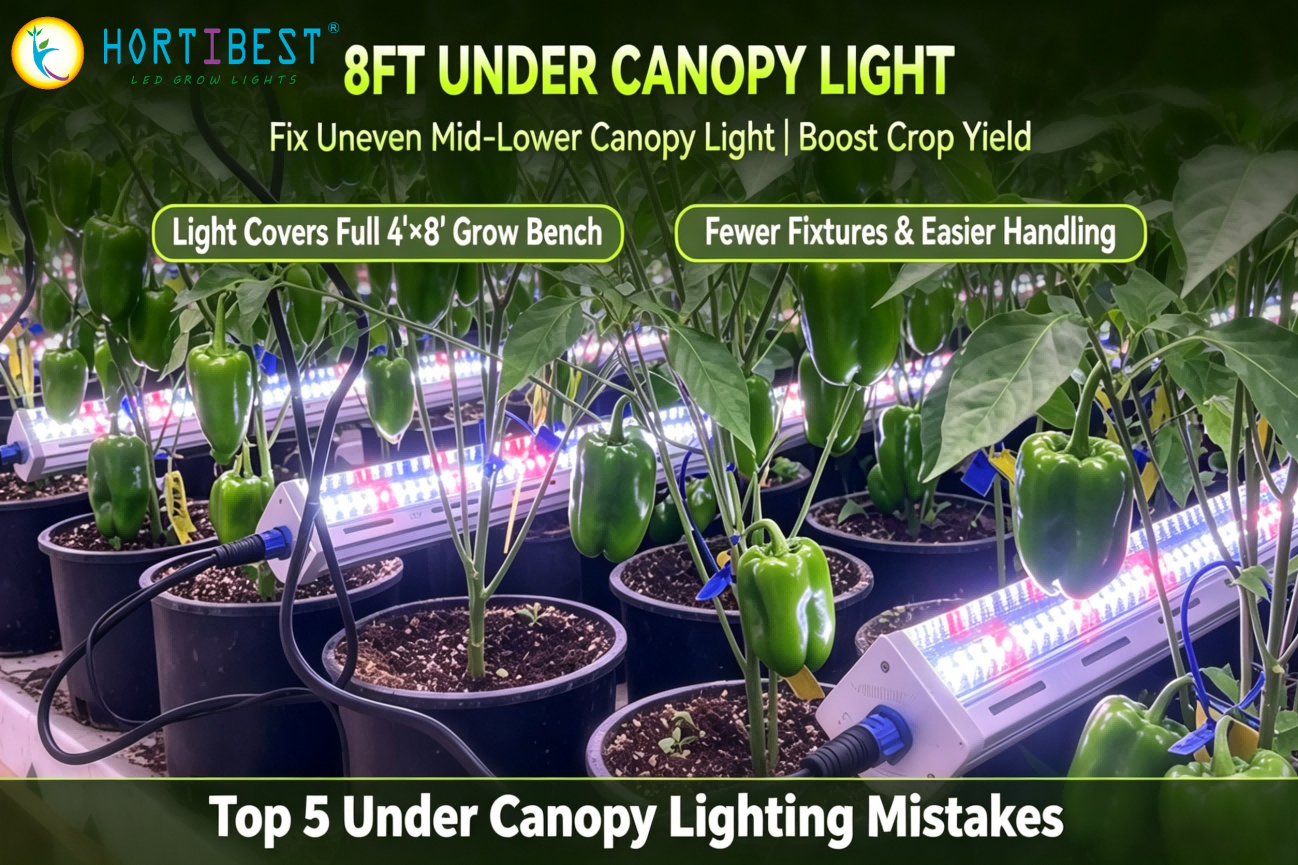 Top 5 Under Canopy Lighting Mistakes Commercial Growers Make | UCL Best Practices
 40% Higher Winter Strawberry Revenue: Minnesota Commercial Greenhouse Fixes High HVAC Costs & Pale Berries with Shark‑2600 Linear LED Grow Lights


