The 420 season is approaching—one of the busiest and most critical times of the year for commercial greenhouse growers. For someone like me who grows high-value flowering crops in high-density environments, light management has never been as simple as “just hang the fixtures.” Over the past few growing cycles, I’ve been searching for an inter-lighting solution that truly solves the challenges of lower canopy light deprivation, heat buildup, and inefficient installation.
After trying several products, the Moray-D Series MD-600 GRF 150W agricultural LED grow light has become my go‑to inter-lighting fixture in the greenhouse. I’d like to share, from a hands‑on grower’s perspective, how this light has changed the way I grow and why it deserves attention heading into the 420 season.
Traditional overhead LEDs can deliver plenty of photosynthetically active radiation, but once crops enter their rapid growth stage, dense canopies leave the lower leaves and flowers almost completely shaded. This becomes especially noticeable during the flowering phase: lower flower sites develop slowly and unevenly, ultimately impacting overall yield and quality.
The purpose of inter-lighting is to deliver light into the canopy. But the challenges are:
Fixtures need to be slim enough to fit between dense rows
Heat dissipation must be effective to avoid stressing leaves
Installation should be flexible and not overly labor‑intensive
The MD-600 GRF addresses all three points.
What I appreciate most about the MD-600 GRF is its Diamond Curve light distribution design. Conventional single‑side lights only illuminate from one direction, but this fixture uses a dual‑angle emission to provide direct light to the lower parts of plants from both sides. In practice, this means:
More uniform light exposure for lower leaves and flower sites
A roughly 25% increase in usable light efficiency—more effective photons for the same electricity cost
Less time spent adjusting fixture angles, saving labor
For commercial greenhouses that rely on high‑density planting, this makes a significant difference.
In the past, some inter‑lighting fixtures I used had one major issue: heat. To avoid leaf burn, I had to hang them farther away, which reduced light intensity. The dual independent PCB thermal design of the MD-600 GRF has eliminated that trade‑off.
The fixture surface stays at 75–85°F (about 24–29°C), allowing me to mount it as close as 3 inches (7.6 cm) from leaves and flowers. As a result:
Light intensity reaching the plant is higher, with effective utilization increased by roughly 30%
No more heat‑related leaf curling or delayed flower development
Reduced greenhouse ventilation load
Time is valuable before the 420 season, and I don’t want to spend excessive hours on wiring, hanging, and aiming lights. The hanging installation design of the MD-600 GRF makes row placement quick and manageable for a single person. What’s more, it supports daisy‑chaining—up to 16 units at 277V—which drastically reduces the number of power cords and control lines.
Previously, adding a row of lights meant pulling new cables. Now I can simply extend from the previous unit. For growers planning to expand their footprint this season, this scalability is a real advantage.
The MD-600 GRF uses the GRF spectrum, which features enhanced red wavelengths. Compared to standard spectra, it delivers about 25% higher efficiency, translating to 10% or more yield gains in my side‑by‑side comparisons over two consecutive cycles—not just lab numbers, but real results in a commercial greenhouse.
During flowering, abundant red light promotes flower development, leading to more uniform maturity and better consistency in the final product. For commercial growers focused on quality and consistency, that directly affects the bottom line.
Watering, misting, and humidity swings are part of daily greenhouse life. The IP65 waterproof rating and patented angled surface design of the MD-600 GRF mean I don’t have to worry about water pooling inside or dust accumulating on the lenses. Cleaning is as simple as a quick wipe. Compared to some non‑waterproof fixtures I’ve used in the past, this one stands up to humid conditions without a hitch.
If you’re preparing for the 420 season, I’d encourage you to take a fresh look at your inter‑lighting setup. No matter how powerful your overhead lights are, they can’t solve uneven light distribution inside the canopy. A well‑designed inter‑lighting fixture should offer:
Dual‑angle or wraparound light distribution for better coverage
Low surface temperature to allow close placement
High water resistance for greenhouse environments
Easy installation and expansion
The MD-600 GRF was designed with these real‑world needs in mind. It doesn’t have flashy gimmicks, but in every key area—efficiency, heat management, durability, and ease of use—it delivers. For commercial growers who want to balance yield with quality, this is a tool worth considering as you upgrade before the 420 season.
Light the World. Light the Life.
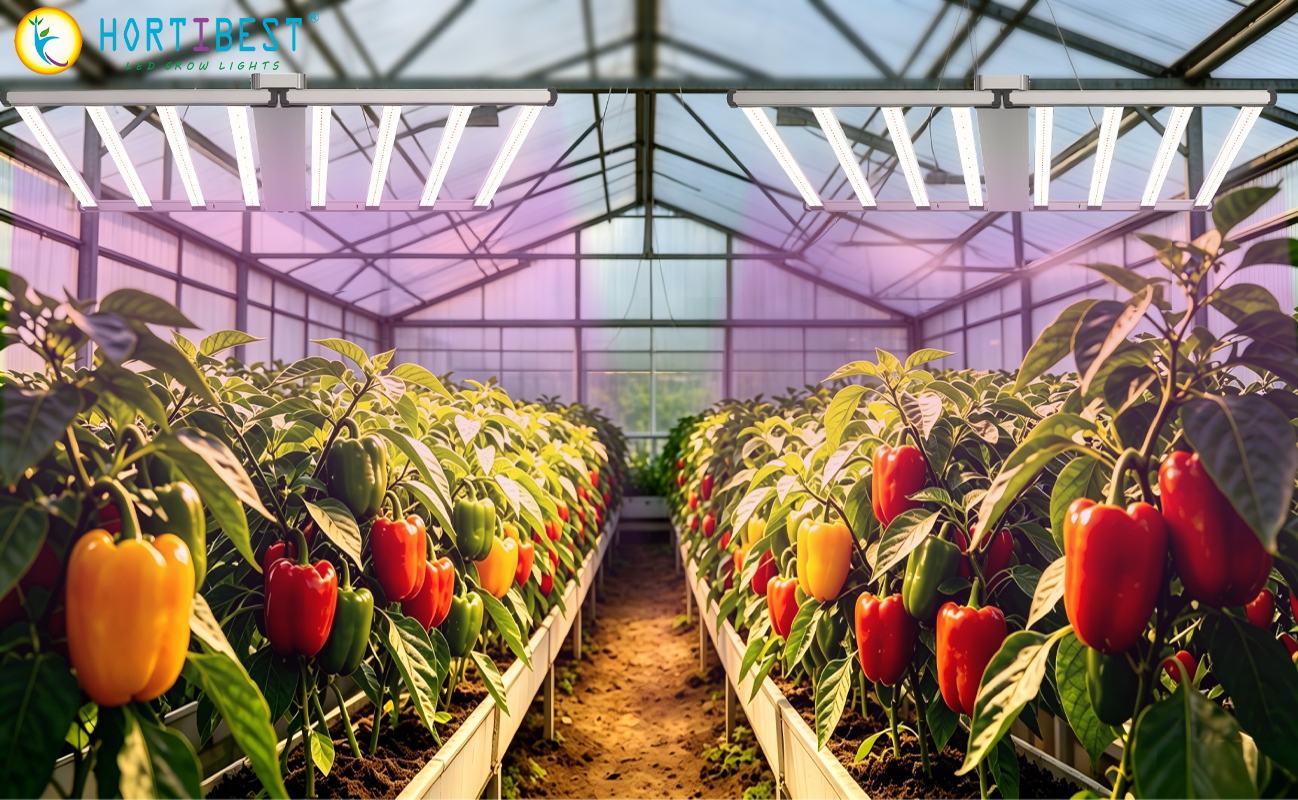 Far-Red Lighting Fixes Low-Light Fruit Drop for Bell Pepper Greenhouses
 Best Commercial Crops to Grow in US Greenhouses This July
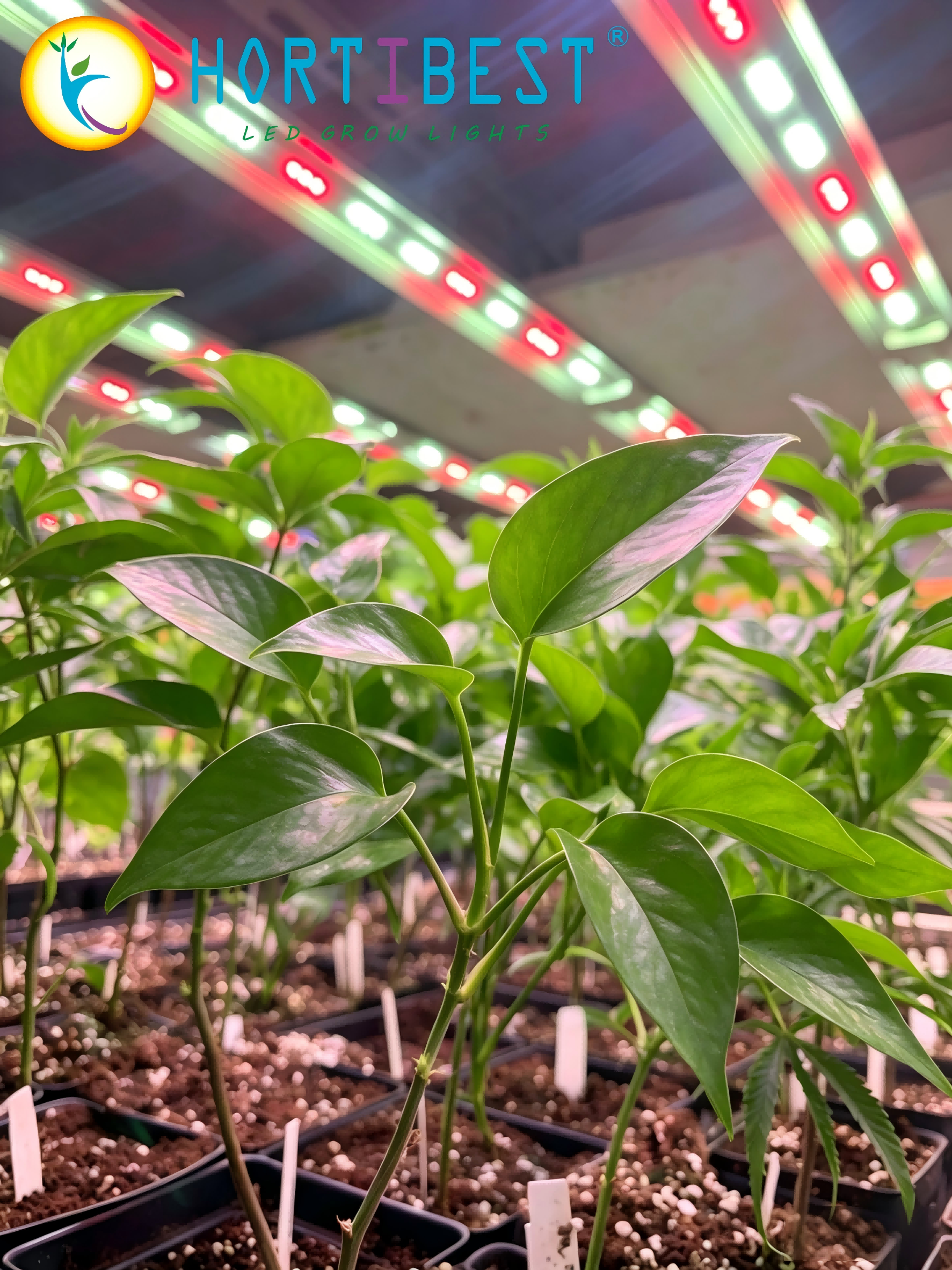 Why Full Spectrum LEDs with Green, Far-Red & UV Deliver Richer Terpenes, Vivid Anthocyanins & Bigger Harvests
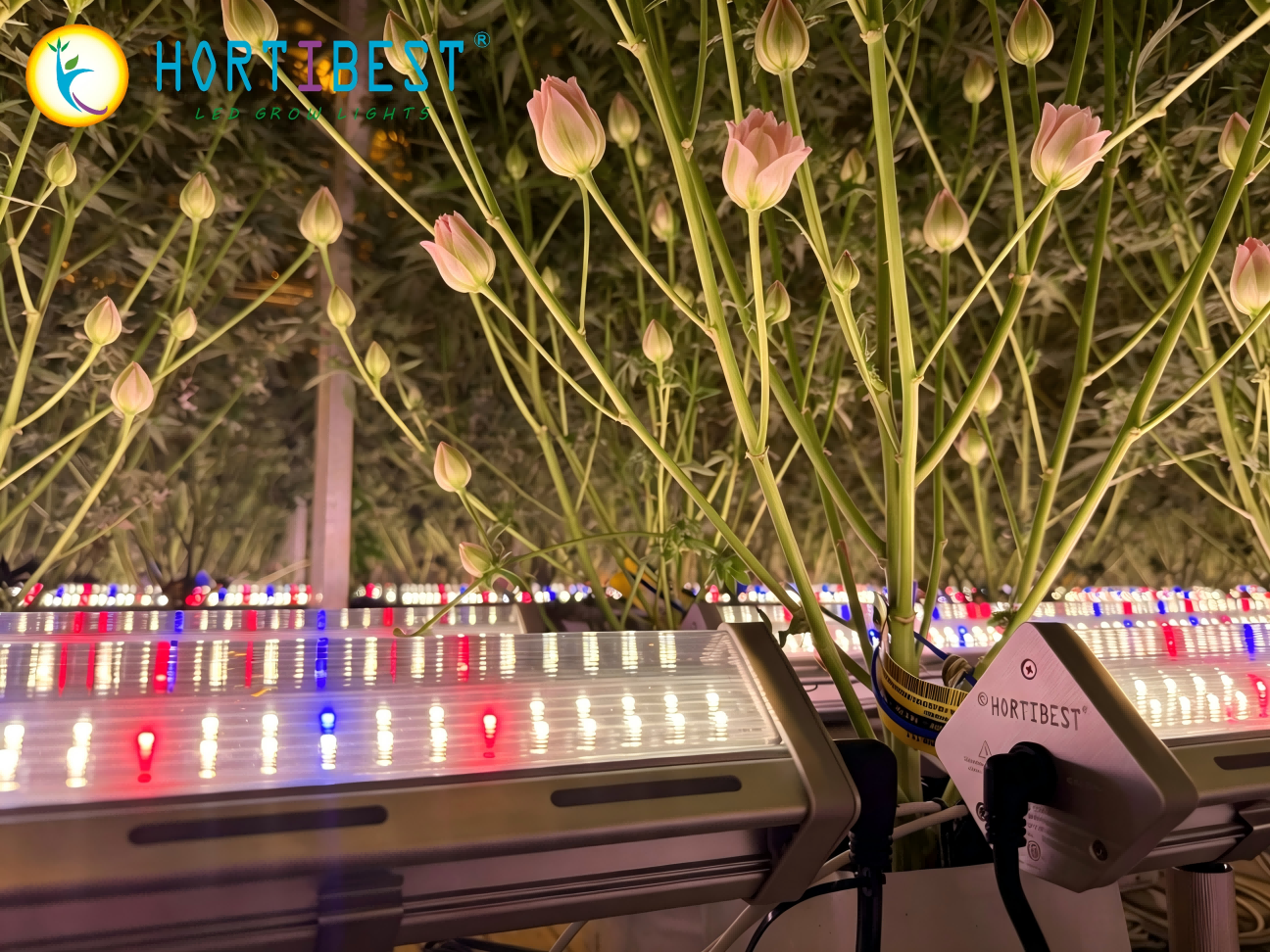 The Commercial Grower's Dilemma: How to 2x Yield Without Sacrificing Quality


