Carbon dioxide is a key component for plant growth. By understanding and optimizing the carbon dioxide content in the growing environment, plant health can be significantly improved and yield increased. This article will explore the importance of carbon dioxide in medicinal plant cultivation, the benefits of enriching carbon dioxide, and how to effectively supplement carbon dioxide.
The Role of Carbon Dioxide in Plant Growth
During the process of photosynthesis, plants utilize carbon dioxide to generate the energy required for growth. Adequate levels of carbon dioxide are crucial for the optimal growth and development of plants. Photosynthesis is the process by which plants convert light energy into chemical energy. Carbon dioxide is a key component in this process, enabling plants to produce glucose and oxygen.While the carbon dioxide levels in the natural atmosphere are sufficient to meet the basic growth needs of plants, enriched carbon dioxide levels can promote photosynthesis, leading to more vigorous plant growth and higher yields.
Enriching carbon dioxide offers a variety of benefits for medicinal plant growers, including:
1. Increased Growth Rate
Higher concentrations of carbon dioxide accelerate photosynthesis, allowing plants to grow faster and more robustly.
2. Improved Yield
By optimizing carbon dioxide levels, growers can achieve higher yields, thereby enhancing planting efficiency and profits.
3. Enhanced Plant Health
Enriched carbon dioxide also improves the overall health of plants, making medicinal plants more resistant to pests and diseases.
To effectively use carbon dioxide enrichment in medicinal plant cultivation, follow these steps:
1. Evaluate the CO2 levels
Before implementing CO2 enrichment, it is essential to measure the current CO2 levels in the growing environment. This can be done using a CO2 measuring device.
2. Choose the appropriate CO2 source
There are various options for CO2 supplementation, including CO2 tanks, burners, and generators. Select one that best suits your cultivation setup and budget.
3. Install CO2 equipment
Proper installation of CO2 equipment is crucial for effective oxygenation. Ensure that the equipment can distribute CO2 evenly throughout the growing area.
4. Monitor and adjust CO2 concentration
Regularly monitor the CO2 concentration to ensure it remains within the optimal range. Adjust the CO2 output as needed based on plant growth and environmental conditions.
To maximize the benefits of carbon dioxide enrichment, please follow these best practices:
1. Maintain optimal CO2 concentration
For most medicinal plant varieties, the CO2 concentration should be between 1000-1500 ppm. Avoid exceeding 1500 ppm as it can be harmful to both plants and humans.
2. Ensure proper ventilation
Good ventilation is crucial to prevent CO2 buildup and ensure a continuous supply of fresh air.
3. Monitor plant response
Regularly observe plants for signs of stress or excessive exposure to CO2. Adjust concentrations accordingly to maintain optimal plant health.
4. Use CO2 in conjunction with other growth enhancers
Carbon dioxide enrichment works best when combined with other measures that promote growth, such as appropriate lighting, nutrient, and humidity control.
Q&A
1. What is the optimal CO2 concentration for growing medicinal plants?
The optimal CO2 concentration for growing medicinal plants typically ranges between 1000-1500 ppm.
2. How can one measure the CO2 content in a grow room?
CO2 content can be measured using a CO2 meter, which accurately reads the CO2 concentration in the air.
3. What are the signs of excessive CO2 exposure in medicinal plants?
Signs of excessive CO2 include leaf burn, yellowing, and slow growth. Monitoring and adjusting CO2 levels is crucial to prevent these issues.
4. Is CO2 enrichment safe for indoor medicinal plants?
Yes, CO2 enrichment is safe when used correctly. Ensure proper ventilation and avoid exceeding recommended CO2 concentrations to maintain a safe environment.
5. Can CO2 enrichment be used for outdoor planting?
While CO2 enrichment is commonly used for indoor planting, it can also benefit planting in greenhouses where CO2 levels can be controlled.
6. How quickly does CO2 enrichment take effect?
The effects of CO2 enrichment vary, but many growers report noticeable improvements in plant growth and yield within a few weeks.
Conclusion
For medicinal plant growers looking to enhance plant growth and increase yield, CO2 enrichment is a powerful tool. By understanding the role of CO2 in photosynthesis and following best practices for CO2 supplementation, you can optimize your growing environment and achieve better results. Effective implementation of CO2 enrichment can lead to healthier plants, higher yields, and more successful growing operations.
 EU PPWR Packaging Regulation Takes Effect Aug 12 | How Hortibest LED Grow Lights Fully Comply
 HPS to Tunable LED Grow Lights: Why Your Old Irrigation Schedule Will Cost You Yields
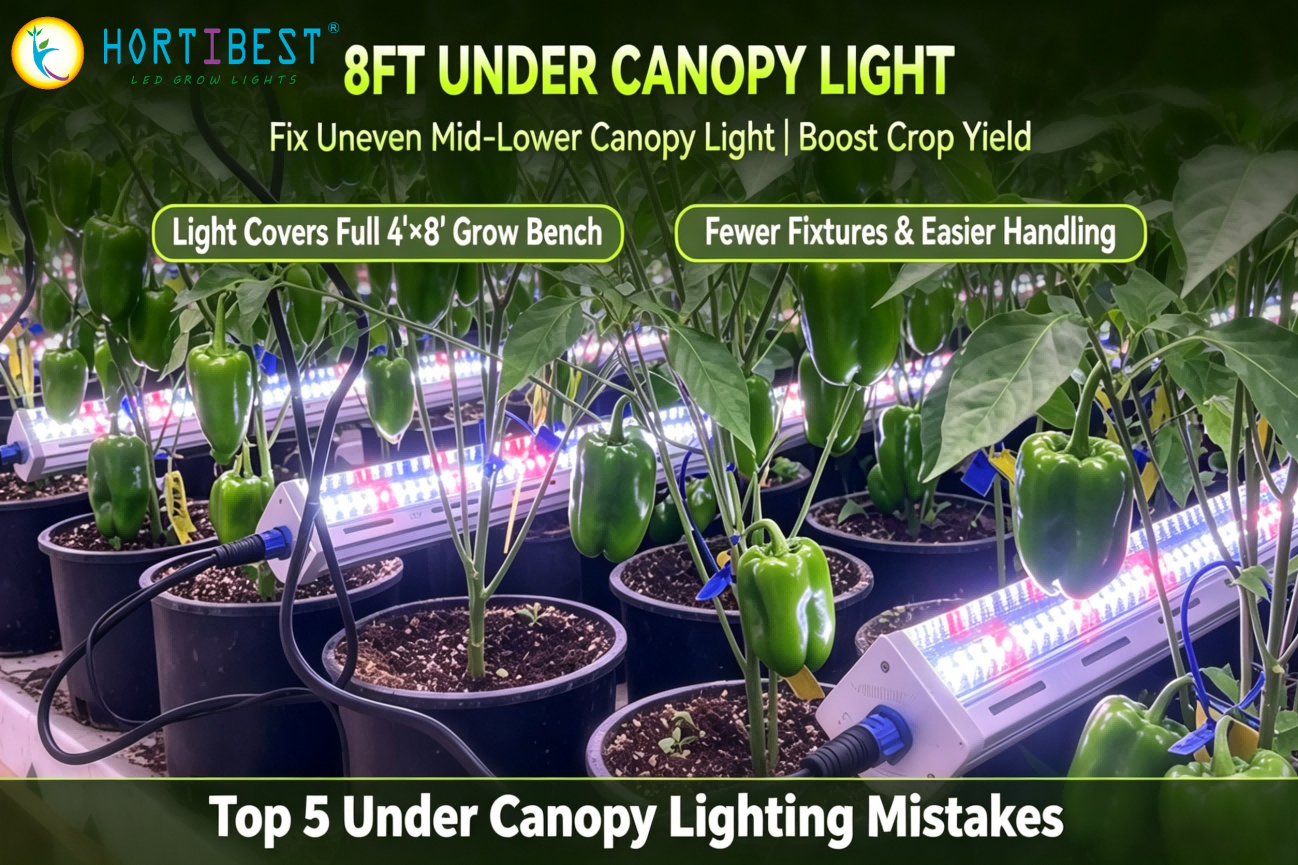 Top 5 Under Canopy Lighting Mistakes Commercial Growers Make | UCL Best Practices
 40% Higher Winter Strawberry Revenue: Minnesota Commercial Greenhouse Fixes High HVAC Costs & Pale Berries with Shark‑2600 Linear LED Grow Lights


