In the cultivation of medicinal plants, proper fertilization is one of the keys to achieving a bountiful harvest. By following these guidelines, you can ensure that your medicinal plant crops receive the necessary nutrients to promote their growth and flowering development, leading to an abundant yield.
I. Determining Soil Nutrient Levels
1. Collecting Soil Sample
- Use specialized soil sampling tools to collect several soil samples from different locations within the planting area. The sampling depth should be determined based on the root depth of the medicinal plants you are growing, typically between 6 - 12 inches.
- Mix the collected soil samples together to obtain a representative composite sample.
2. Selecting Testing Methods
- You can choose to send the soil samples to a professional laboratory for analysis, which is the most accurate method. The laboratory can test for various nutrient elements such as nitrogen, phosphorus, potassium, calcium, magnesium, sulfur, iron, manganese, zinc, copper, boron, etc., as well as indicators like soil pH value, organic matter content, and electrical conductivity.
3. Conducting Tests
- If you opt to send the samples to a laboratory, you need to fill out the required information according to the laboratory's instructions and mail the samples to the specified address. The laboratory will analyze the samples upon receipt and provide you with the test results.
4. Interpreting Test Results
- Generally, medicinal plants grow better in soils with a pH value between 6.0 - 7.0, and their nutrient requirements for nitrogen, phosphorus, potassium, etc., vary at different growth stages. Based on the test results and the growth stage of the medicinal plants, you can determine whether fertilizer addition is necessary and what type of fertilizer to add.
II. Determining an Appropriate Fertilization Plan
1. Understanding the Nutrient Needs of Medicinal Plants
- Medicinal plants have varying nutrient requirements at different growth stages. In the early growth stage, there is a higher demand for nitrogen to promote stem and leaf growth. During flowering and fruiting periods, the need for phosphorus and potassium increases to support the development of flowers and fruits. Additionally, medicinal plants require appropriate amounts of trace elements, such as iron, manganese, zinc, copper, boron, etc., to maintain normal physiological functions.
2. Analyzing Soil Test Results
- Soil testing provides information on the content of various nutrients in the soil, pH levels, organic matter content, etc.
- Based on the test results, determine deficiencies or excesses of nutrients in the soil. For example, if the soil has low nitrogen content but moderate phosphorus and potassium levels, then the fertilization plan should include increased application of nitrogen fertilizers.
3. Determining Fertilization Timing
- The timing of fertilization for medicinal plants should be arranged according to their growth stages. Generally, base fertilizer can be applied before planting to provide essential nutrients for early growth. During the growth period, top-dressing should be done based on soil test results and plant growth conditions.
- For instance, apply nitrogen fertilizer every 1 - 2 weeks during the early growth stage; during flowering and fruiting periods, apply phosphorus and potassium fertilizers every 2 - 3 weeks.
4. Choosing Suitable Fertilizers
- Based on the nutritional needs of medicinal plants and soil test results, select the appropriate type of fertilizer. Organic fertilizers such as compost and matured manure can improve soil structure and increase soil organic matter content, but they release nutrients slowly. Inorganic fertilizers like nitrogen, phosphorus, and potassium fertilizers have high nutrient content and fast effects, but long-term heavy use may lead to soil acidification and compaction.
- Consider using a combination of organic and inorganic fertilizers for optimal fertilization effects. Additionally, some fertilizers specifically designed for medicinal plants may also be chosen, as their nutrient ratios are more suitable for the growth needs of these plants.
5. Calculating the Fertilization Amount
- The amount of fertilizer should be calculated based on factors such as soil test results, planting density of medicinal plants, and expected yield. Generally, it is not advisable to apply too much fertilizer to avoid waste and environmental pollution, nor too little to affect the growth and yield of the plants.
- Refer to the instructions and recommendations on the fertilizer packaging and adjust according to actual conditions.
6. Paying Attention to Fertilization Methods
- The method of fertilization should be selected based on the type of fertilizer and the growth stage of the medicinal plants. Base fertilizer can be evenly spread on the soil surface before planting and then plowed into the soil. Top-dressing can be done by furrow application, hole application, or foliar spraying methods.
- Foliar spraying is a rapid and effective method of fertilization that can supplement trace elements and certain macro elements during the growth period of medicinal plants. However, attention must be paid to the concentration of the fertilizer solution to avoid leaf burn.
7. Monitoring and Adjusting the Fertilization Plan
- During the fertilization process, regularly observe the growth condition of medicinal plants, such as leaf color, plant height, and the development of flowers and fruits, to evaluate the effectiveness of fertilization.
- If poor growth or symptoms of nutrient deficiency are observed in medicinal plants, promptly analyze the reasons and adjust the fertilization plan accordingly. For example, if leaves turn yellow, it may indicate a lack of nitrogen, and the amount of nitrogen fertilizer should be increased at this time.
By following the guidelines above, you can ensure properBy following the guidelines above, you can ensure proper and achieve a bounti you can ensure proper fertilization of crops and achieve a bountiful harvest in medicinal plant cultivation. Remember to regularly monitor the condition of your plants and soil, making adjustments as needed to ensure that your plants receive adequate nutritional support and optimal growing conditions. By taking these steps, you will provide an ideal growth environment for your medicinal plants, ultimately yielding a rich harvest.
 EU PPWR Packaging Regulation Takes Effect Aug 12 | How Hortibest LED Grow Lights Fully Comply
 HPS to Tunable LED Grow Lights: Why Your Old Irrigation Schedule Will Cost You Yields
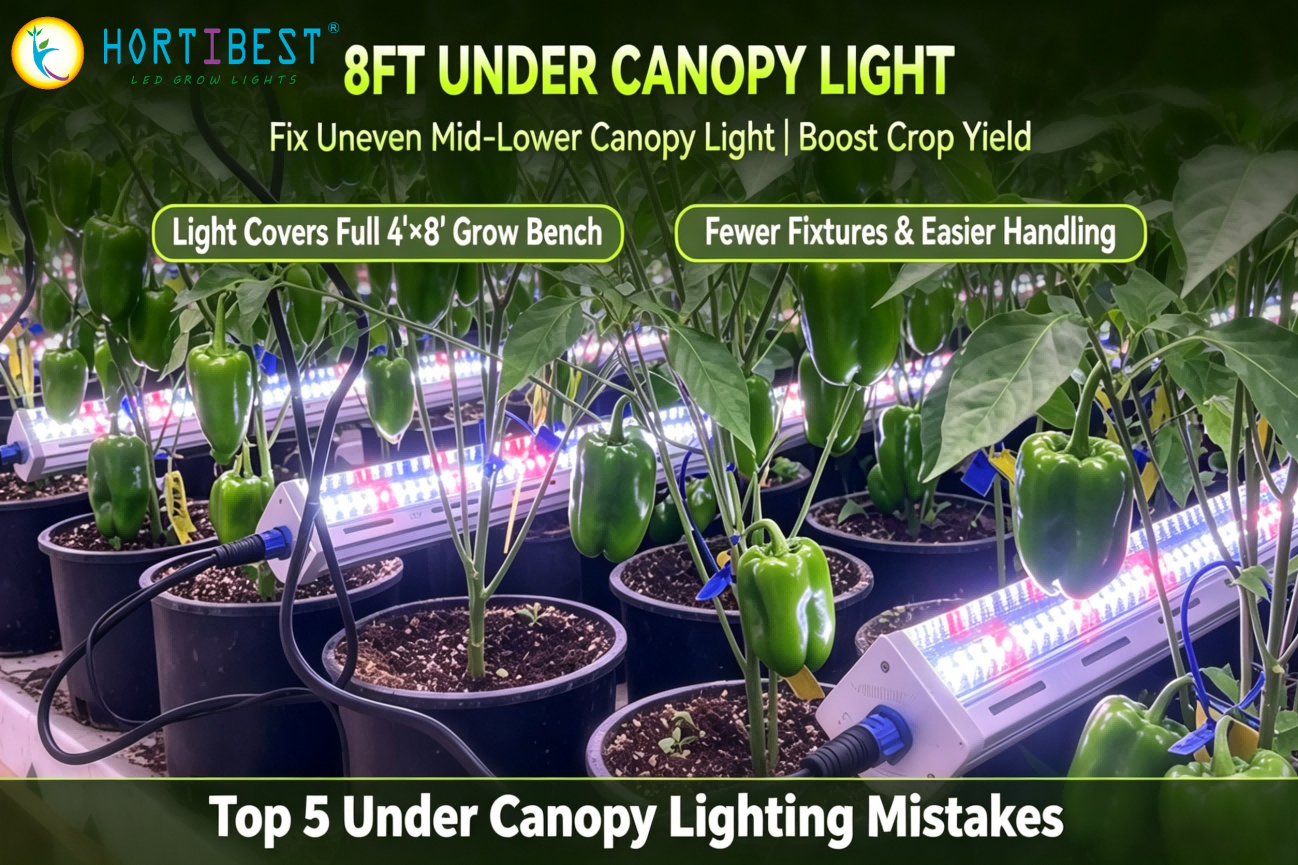 Top 5 Under Canopy Lighting Mistakes Commercial Growers Make | UCL Best Practices
 40% Higher Winter Strawberry Revenue: Minnesota Commercial Greenhouse Fixes High HVAC Costs & Pale Berries with Shark‑2600 Linear LED Grow Lights


