Growing vegetables indoors used to be a challenge reserved for those with perfect climates and sprawling gardens. But with LED grow light technology, anyone—from urban apartment dwellers to serious homesteaders—can cultivate fresh, flavorful veggies year-round.
Why U.S. Growers Are Switching to LED Grow Lights (And You Should Too)
If you’ve ever battled sky-high electricity bills, struggled with heat stress, or lost crops to weak stems and poor flowering, you’re not alone. Traditional HID lights (like MH and HPS) have long been the go-to for indoor gardening, but they come with headaches:
Energy hogs: HID bulbs guzzle 50% more power than LEDs.
Heat overload: Ever burned your hand adjusting a metal halide light? HID systems require expensive cooling setups to keep temps below 82°F.
Bulb swaps: Switching between MH (for veg) and HPS (for bloom) is a hassle.
LEDs fix these issues—and then some. Let’s dive into how.
LED Grow Lights: Solving Core Problem Points for American Growers
1. Slash Energy Bills Without Sacrificing Yield
Real Case Study: Colorado Urban Farm
A Denver-based microgreens operation swapped their 1,000W HPS system for CLW SolarXtreme 500W LEDs. Result? 30% lower energy costs and 20% faster harvest cycles thanks to optimized light spectra.
LEDs deliver PAR (photosynthetically active radiation) more efficiently, meaning every watt counts. For leafy greens like kale or basil, growers report $200+ annual savings on a 4x4 grow tent setup.
2. No More Heat Stress: Keep Your Grow Room (and Plants) Cool
HID lights can turn a grow tent into a sauna. LEDs emit minimal heat, so you won’t need extra AC units or exhaust fans.
Pro Tip: In a Michigan home grower’s setup, switching to LEDs allowed them to ditch their $150/month cooling bill. Their peppers and tomatoes thrived at a steady 75°F—no more crispy leaf edges!
3. Full-Spectrum Magic: One Light for All Growth Stages
Forget juggling MH and HPS bulbs. LEDs mimic natural sunlight, providing veg-friendly blue spectra and bloom-boosting red wavelengths in one fixture.
Real Grower Hack: A Texas herb farmer uses adjustable spectrum LEDs to tweak light ratios:
Seedlings: 70% blue light for tight node spacing.
Flowering: Boost red to 60% for juicier basil leaves.
How to Set Up LED Grow Lights Like a Pro
Step 1: Match Your Light to Your Crop
Leafy greens (lettuce, spinach): 12–14 hours of light daily at medium intensity.
Fruiting plants (tomatoes, peppers): Crank it up to 16–18 hours with high-intensity LEDs.
Pro Tip: California Lightworks’ SolarSystem Controller lets you automate schedules—no more forgetting to flip switches.
Step 2: Avoid Light Burn (Yes, It’s a Thing)
Even low-heat LEDs can bleach leaves if hung too close. Follow the “hand test”: If your hand feels uncomfortably warm under the light after 60 seconds, raise the fixture.
Step 3: Use Reflectors and Smart Spacing
A Wisconsin grower doubled her kale yield by adding reflective Mylar to her tent walls. Keep plants 12–18 inches apart to prevent shading—LEDs penetrate deep, but overcrowding stifles growth.
Why Variable Spectrum LEDs Are a Game-Changer
Adjustable LEDs let you “dial in” light recipes for specific crops:
Blue-heavy (450nm): Strengthen stems for bushy herbs.
Red-heavy (660nm): Boost flowering in strawberries.
Case Study: An Oregon cannabis grower (yes, veggies too!) increased terpene levels by 15% using custom spectra during the final growth phase.
Bottom Line: LEDs = Smarter, Cheaper, Healthier Harvests
Whether you’re growing heirloom tomatoes in your basement or running a commercial hydroponic setup, LEDs cut costs, simplify workflows, and deliver lab-tested results.
And if you’re looking for a low-maintenance but highly effective LED light for your personal use, we recommend check out HortiBest Lightworks’ Octopus-0G8 Series—trusted by home growers and pros alike for its plug-and-play design and industry-leading PAR output.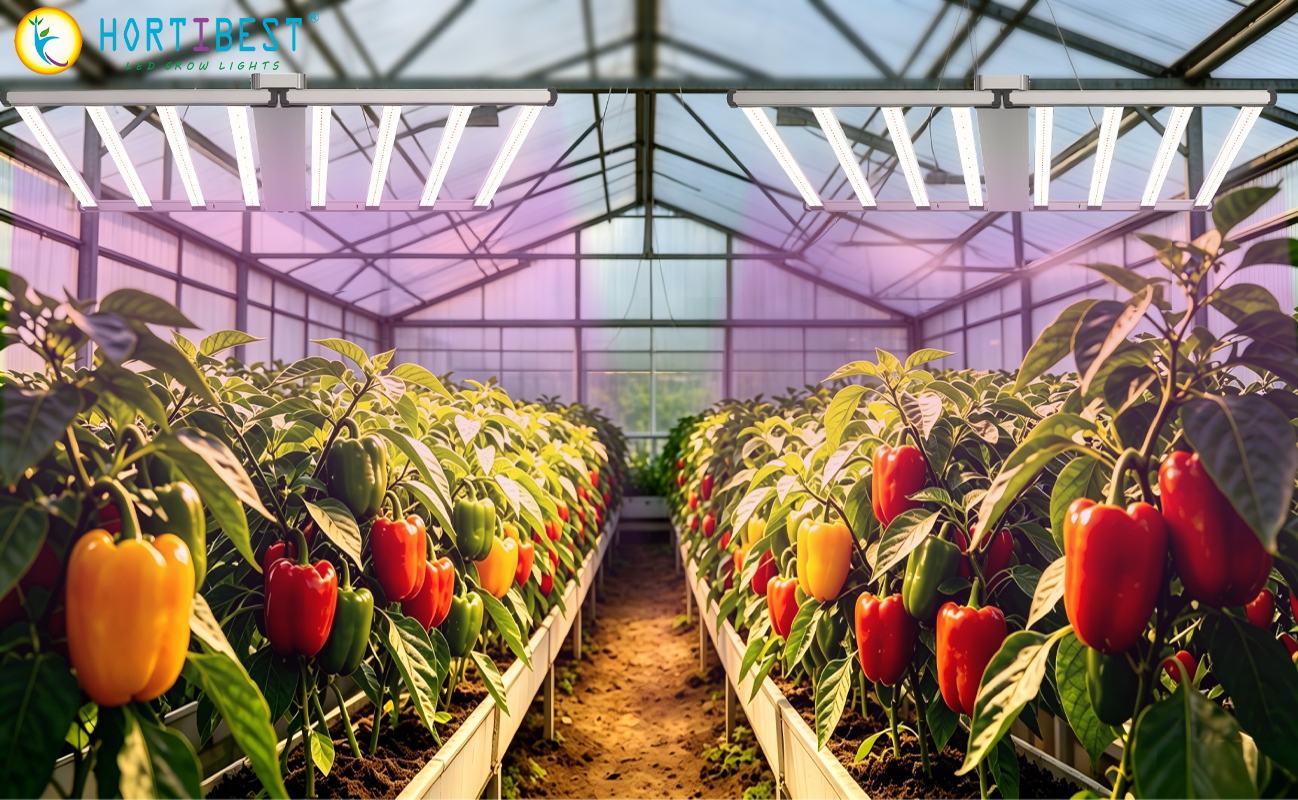 Far-Red Lighting Fixes Low-Light Fruit Drop for Bell Pepper Greenhouses
 Best Commercial Crops to Grow in US Greenhouses This July
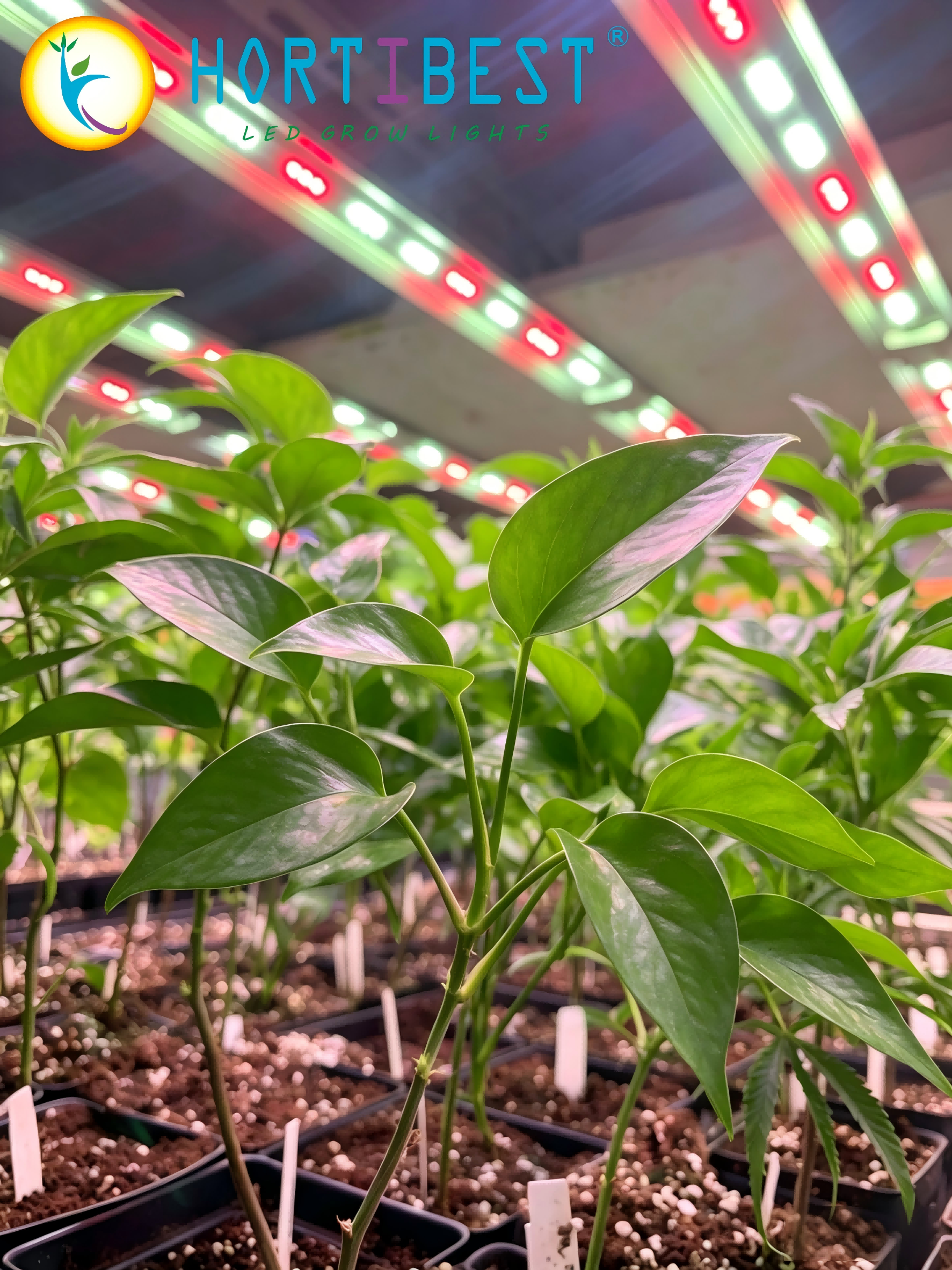 Why Full Spectrum LEDs with Green, Far-Red & UV Deliver Richer Terpenes, Vivid Anthocyanins & Bigger Harvests
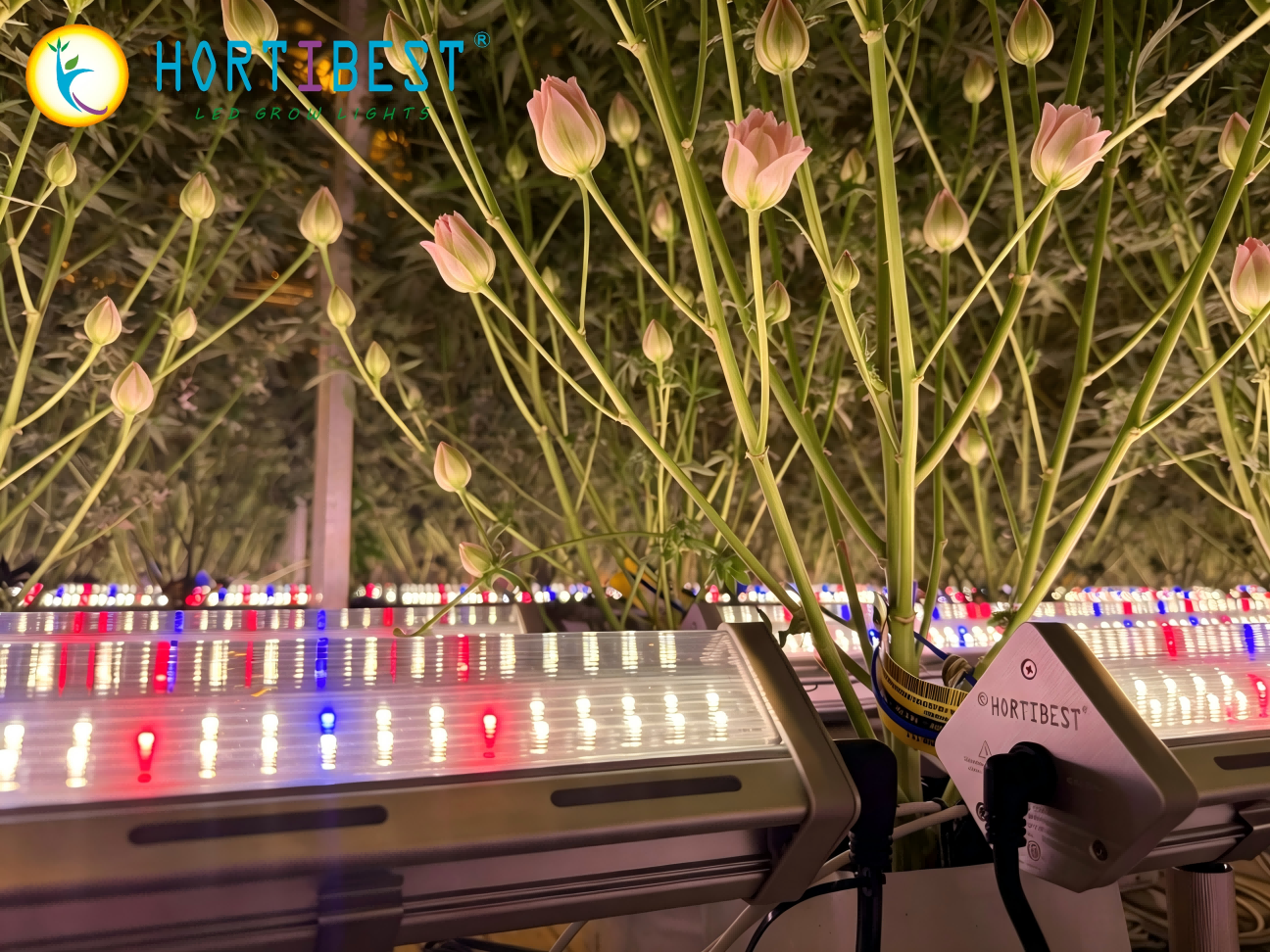 The Commercial Grower's Dilemma: How to 2x Yield Without Sacrificing Quality


