For indoor growers, the final days of the flower cycle are a golden opportunity to elevate crop quality. While yields may seem “locked in” by this stage, strategic use of blue light (400–500nm) can unlock dramatic improvements in aroma, color, and potency.
Let’s dive into the science, share real-world success stories.
Why Blue Light Is a Game-Changer in Late Flowering
Blue light isn’t just for vegetative growth. During the final 7–10 days of flowering, increasing blue exposure mimics nature’s late-season sunlight, signaling plants to prioritize quality over quantity. Research and grower testimonials show that boosting blue light can:
Amplify terpenes by 30–50%, intensifying fragrances like citrus, lavender, or earthy notes.
Enhance pigmentation, deepening reds, purples, and blues in petals and foliage.
Elevate bioactive compounds, improving market appeal for herbs, ornamentals, and high-value crops.
Pro Tip: Pair blue light with temperatures around 68–75°F to maximize terpene retention and color vibrancy.
Real-World Success: How a California Herb Farm Boosted Profits
Take John, a commercial herb grower in Sacramento. Frustrated with bland aromas in his basil and lavender crops, he tested the HortiBest Shark-XR Series during the final flowering phase. By gradually increasing blue light intensity to 30% in the last 10 days, he saw:
45% stronger fragrance in lavender, confirmed by lab tests.
20% deeper purple hues in basil leaves, attracting premium buyers.
15% higher sales at local farmers’ markets due to enhanced visual and olfactory appeal.
John’s secret? The Shark-XR’s adjustable spectrum let him fine-tune blue wavelengths without disrupting his grow schedule. “It’s like having sunrise-to-sunset control in a single fixture,” he says.
Why Traditional Lights Fall Short—and How LEDs Excel
HID fixtures force growers to swap bulbs for spectrum changes—a time-consuming hassle. In contrast, full-spectrum LED grow lights like the Shark-XR Series offer:
One-touch spectrum adjustments: Ramp up blue light during late flowering, then switch back to red-dominant spectrums for earlier phases—no hardware swaps needed.
Energy efficiency: Save 40% on power costs compared to HID systems, critical for year-round indoor operations.
Durability: Built for 50,000+ hours of use, ideal for greenhouses, vertical farms, or home grow rooms.
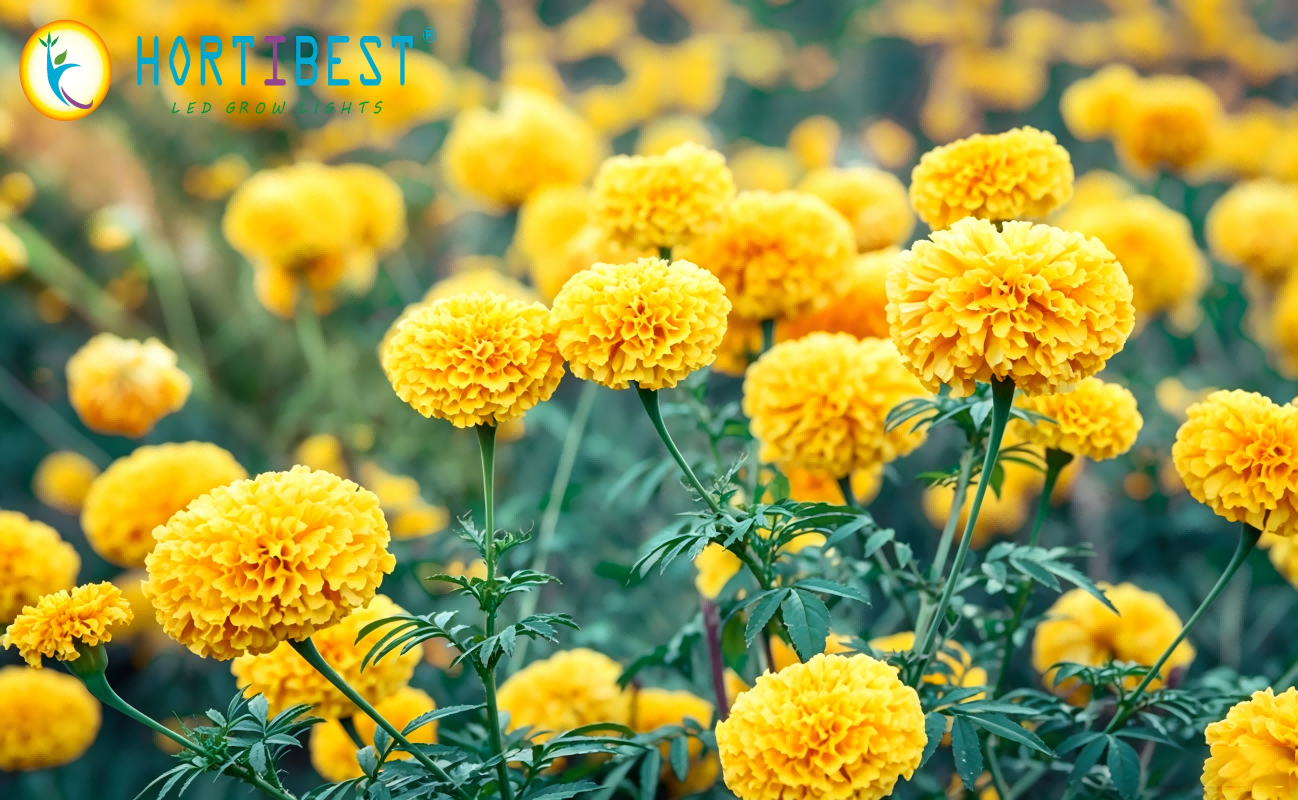
Grower Insight: “With the Shark-XR, I dial in exact blue/red ratios for each crop. My marigolds have never been this vibrant!” — Sarah, Colorado Flower Farm.
How to Optimize Blue Light in Your Flower Cycle
Timing is Key: Begin increasing blue light 1–2 weeks before harvest. Start with a 20% intensity boost and monitor plant response.
Track Trichomes: Use a jeweler’s loupe to check trichome clarity. Milky-white trichomes signal peak terpene production—ideal for maximizing blue light’s impact.
Experiment Gradually: Test blue light adjustments on a small batch first. Note changes in aroma, color, and shelf life.
HortiBest Shark-XR Series: Precision for Premium Results
Designed for growers who refuse to compromise, the Shark-XR Series delivers:
Custom spectrum presets: Pre-programmed “Late Flower Boost” mode optimizes blue light for terpene and pigment synthesis.
Uniform canopy coverage: 120-degree lens design ensures even light distribution, avoiding hotspots or weak zones.
Smart cooling system: Maintains optimal temps for delicate late-flower stages, reducing stress risks.
Whether you’re growing roses, herbs, or specialty ornamentals, the Shark-XR empowers you to replicate nature’s finest nuances—and exceed market expectations.
The Bottom Line: Blue Light Isn’t Optional—It’s Strategic
While blue light isn’t mandatory in late flowering, growers prioritizing quality swear by its impact. As John’s lavender success proves, small tweaks can lead to premium pricing and loyal customers.
By blending cutting-edge technology with nature-inspired strategies, you’ll not only answer “Does blue light help?”—you’ll redefine what your crops can achieve.
Have questions? Our team is here to help you master light optimization. Contact us for a free grow plan tailored to your crops!
 Far-Red Lighting Fixes Low-Light Fruit Drop for Bell Pepper Greenhouses
 Best Commercial Crops to Grow in US Greenhouses This July
 Why Full Spectrum LEDs with Green, Far-Red & UV Deliver Richer Terpenes, Vivid Anthocyanins & Bigger Harvests
 The Commercial Grower's Dilemma: How to 2x Yield Without Sacrificing Quality


