Indoor gardening has gained immense popularity in recent years, allowing plant enthusiasts to cultivate a variety of plants regardless of their location or the season. One key element that contributes to the success of indoor gardening is the use of LED grow lights. These revolutionary lighting solutions have transformed the way plants are nurtured indoors, offering numerous benefits over traditional lighting sources. In this article, we will delve into the world of LED grow lights and explore their effectiveness in promoting healthy plant growth.
★ The Science Behind LED Grow Lights:
a. Photosynthesis: Plants convert light energy into chemical energy through the process of photosynthesis and the specific light wavelengths required for different growth stages.
b. Spectrum Selection: Red light promotes flowering and fruiting, while blue light stimulates vegetative growth. Some LED grow lights (SunPlus) also include additional spectrums such as ultraviolet (UV) and infrared (IR) light, which can further enhance plant growth.
★ Advantages of LED Grow Lights:
a. Energy Efficiency: LED grow lights' energy efficiency stems from their ability to convert electricity into a targeted light spectrum with minimal heat generation. By consuming less energy and offering longevity, LED grow lights not only lead to significant cost savings but also contribute to a reduced environmental impact, making them a sustainable choice for indoor gardening and commercial cultivation.
b. Heat Management: Traditional lighting sources, such as HPS lights, emit a substantial amount of heat, requiring additional energy for ventilation and cooling systems to maintain suitable temperatures in indoor gardens. LED grow lights produce significantly less heat, reducing the need for excessive cooling measures and saving energy that would otherwise be expended on heat management.
c. Longevity and Durability: High-quality LED lights can last for tens of thousands of hours before needing replacement, while traditional lights often require more frequent bulb changes. The extended lifespan of LED grow lights results in fewer replacements, reducing material waste and further contributing to energy savings.
★ Customization and Control:
a. Tailored Lighting: The flexibility of LED grow lights in providing customizable light spectrums and intensities to meet the specific needs of different plant varieties or growth stages.
b. Light Cycle Regulation: The ability to mimic natural daylight cycles by controlling the duration and intensity of LED grow lights, facilitating optimal plant growth.
★ Choosing the Right LED Grow Lights:
a. Quality Considerations: Providing tips for selecting high-quality LED grow lights from reputable manufacturers to ensure optimal performance and maximize plant growth.
b. Wattage and Coverage: The importance of matching the wattage and coverage area of LED grow lights to the size and type of indoor garden for efficient light distribution.
With the ability to stimulate healthy plant growth, promote flowering and fruiting, and cater to specific growth stages, LED grow lights have become a game-changer for plant enthusiasts and commercial growers alike.
HortiBest professional R&D, production, and manufacturing for 17 years, with more than 100 patented designs, and with the most advanced technology, we have cooperated with more than 100 well-known brands. HortiBest factories have been certified by ISO and CE, and the products are strictly tested to ensure the highest quality standards.
HortiBest professionals are always online, and happy to provide you with HortiBest product catalog and discuss possible business opportunities.
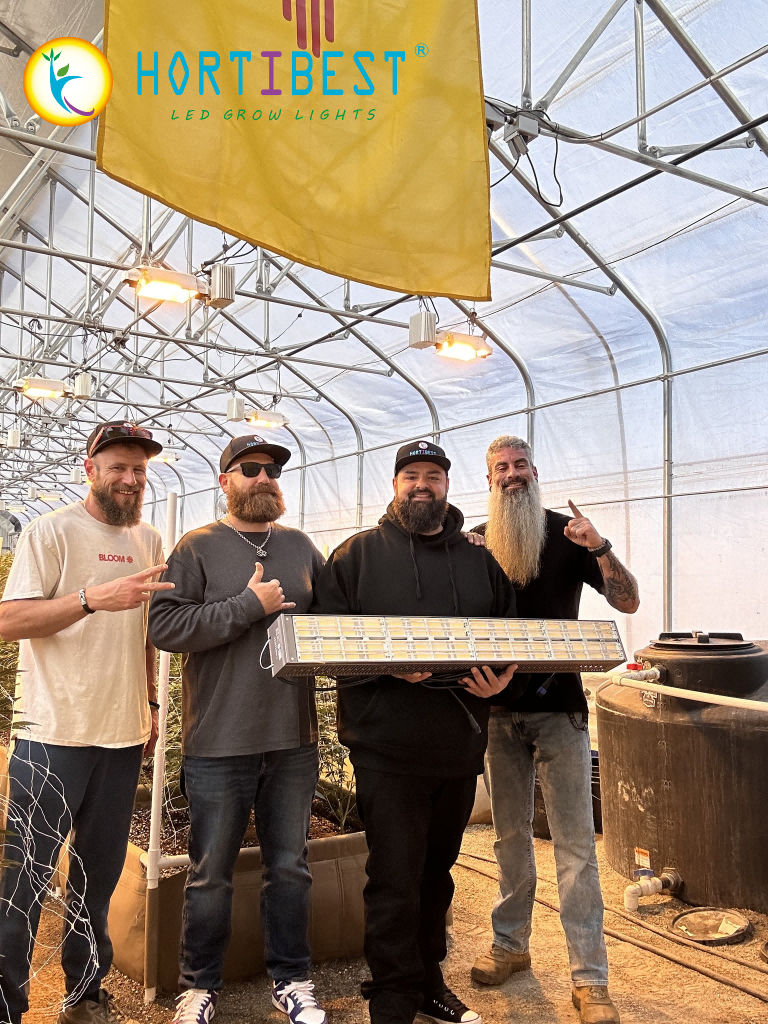 Case Study: Why an HPS Grower Switched to Shark‑2600 – Not for Savings, but for Even Light from Top to Bottom
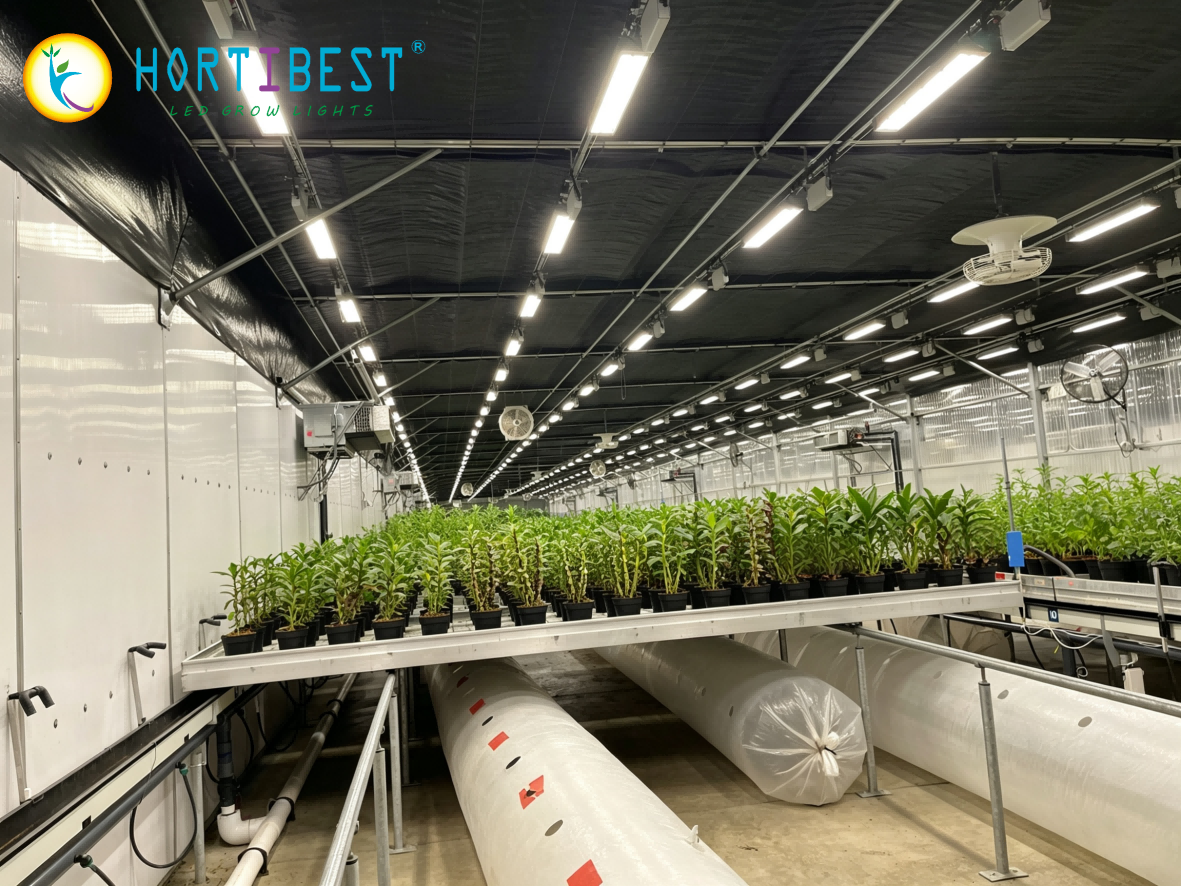 What Size Grow Light Do You REALLY Need? Stop Asking Watts – Use PPF, PPFD & DLI Instead
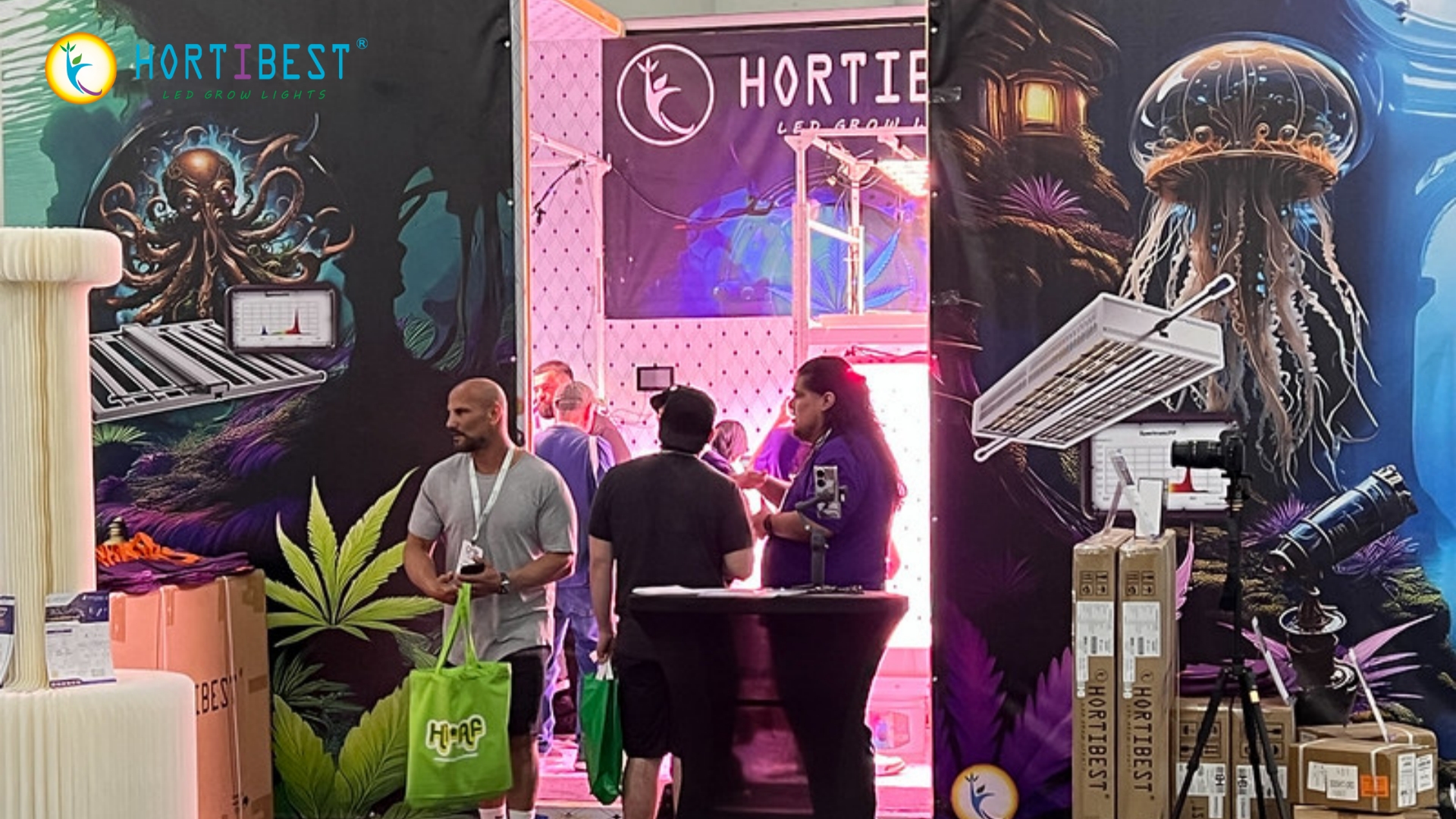 HortiBest LED Grow Lights-Development History
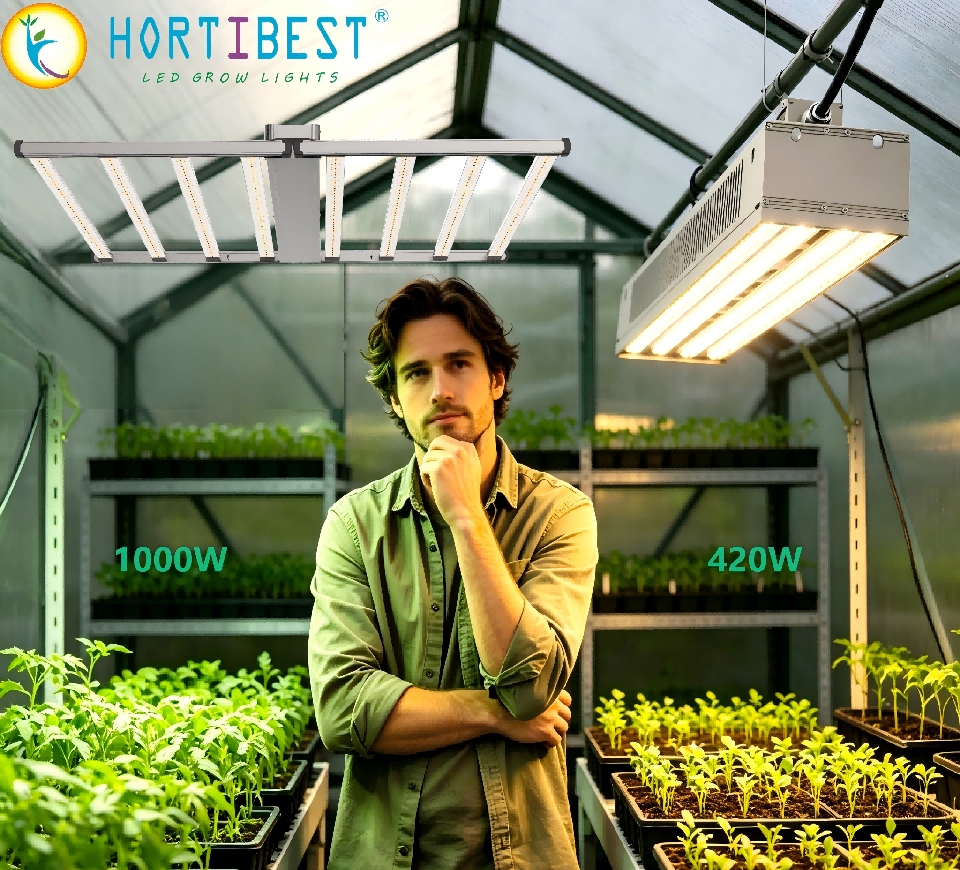 1000W vs 400W Grow Light: Which One Fits Your Grow?


