Most gardeners consider tomato plants to be annuals, discarding them in the fall and composting the remains. However, did you know that you can actually overwinter tomato plants? While it requires some skill, it is indeed possible. Tomatoes are warm-season crops that thrive in full sun and warm temperatures. When temperatures drop below 60 degrees Fahrenheit (16 degrees Celsius), tomato plants cannot pollinate and set fruit, which is why many people discard them as the temperatures cool down.
However, tomatoes are originally native to South America, where they are perennial plants. Although tomatoes are commonly grown as annuals nowadays, there are methods to overwinter them.
1.Greenhouse Growing: The ideal method for overwintering tomatoes is to utilize a greenhouse equipped with a heater. Pot the tomato plants and move them into the greenhouse before the first frost. Gradually adjust the temperature to encourage fruiting. Manual pollination is necessary, and fertilization should be done every 4-6 weeks.
2.Stem Cuttings: Before the first frost, take 3-5 inch (7.5-13 cm) cuttings from vigorously growing branches. Place the cuttings in water until they develop roots, then transplant them into pots with potting medium. Provide sufficient light and gradually harden them off before planting them in the garden in spring.
3.Bare-Root Dormancy: Before the first frost, dig up the entire tomato plant, trim it to a foot (30 cm) in height, and remove the soil from the roots. Wrap the roots in damp material and store them in a cool location. Regularly check the moisture level. In spring, pot them up or plant them in the garden.
These techniques enable tomato plants to survive the winter and resume fruit production when temperatures warm up. Whether through greenhouse growing, stem cuttings, or bare-root dormancy, overwintering tomatoes is a beneficial practice for extending the lifespan of these warm-season crops.
 EU PPWR Packaging Regulation Takes Effect Aug 12 | How Hortibest LED Grow Lights Fully Comply
 HPS to Tunable LED Grow Lights: Why Your Old Irrigation Schedule Will Cost You Yields
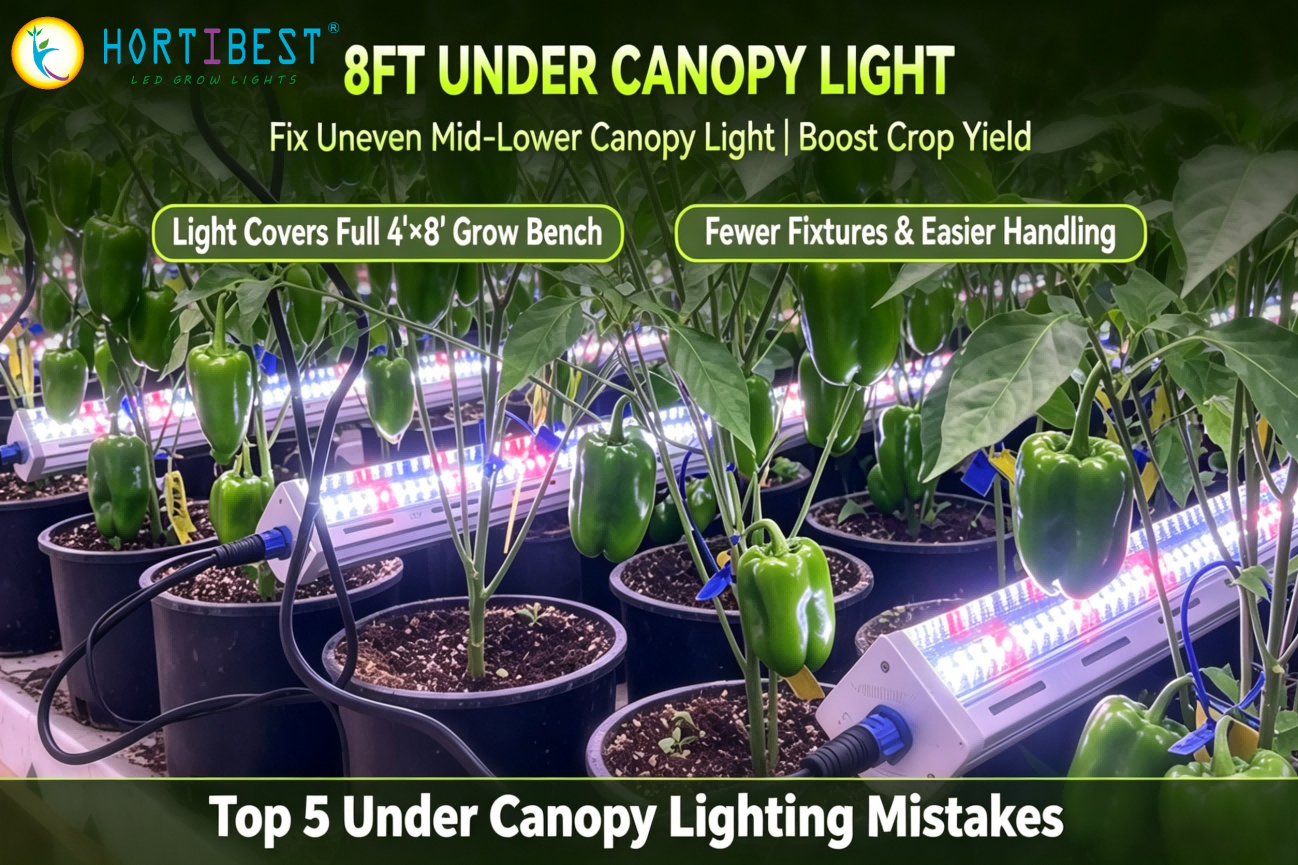 Top 5 Under Canopy Lighting Mistakes Commercial Growers Make | UCL Best Practices
 40% Higher Winter Strawberry Revenue: Minnesota Commercial Greenhouse Fixes High HVAC Costs & Pale Berries with Shark‑2600 Linear LED Grow Lights


