When it comes to growing plants, one of the most important factors to consider is the temperature of the environment. Temperature can have a major impact on the growth and development of plants, and knowing the ideal temperature for plants will help ensure that they grow healthy and strong.
The optimum temperature for growing plants is usually between 68 to 77℉(20 to 25°C). If the ambient temperature around the plant drops below 20 to 25°C, the growth of the plant will slow down and potential yields will be inhibited or even completely stopped. As a result, the plant will never mature. It is especially important to note that the temperature of the light that the plants receive during the “daytime” cycle is very important. This is when photosynthesis and growth potential can be realized. Additionally, there should not be too much variation between temperatures during the day and night.
If the temperature of the plant exceeds 77℉ (25°C), the metabolism of the plant will accelerate. Therefore, it will require other elements: more light, more water, more carbon dioxide and more fertilizer etc. Be sure to adjust the changes according to the temperature.
A wise approach is to not only invest in thermometers but also install them in the ventilation or heating system to automatically manage the temperature inside the growth chamber. The automated system can also provide good ventilation for fresh air and avoid carbon dioxide deficiency.
Temperatures during vegetative and flowering stage
Vegetative stage: Younger growing plants prefer warmer temperatures of 70 to 85°F (20-30°C) during the vegetative stage than during the flowering stage.
Flowering stage: During the flowering stage (when plants start to bud) it is best to keep the surrounding temperatures slightly cool 65 to 80°F (18-26°C) for the best colors, trichome production, and aroma. For best results, there should be a ten-degree difference between day and night temperatures. This is especially important for highest quality buds during the flowering stage.
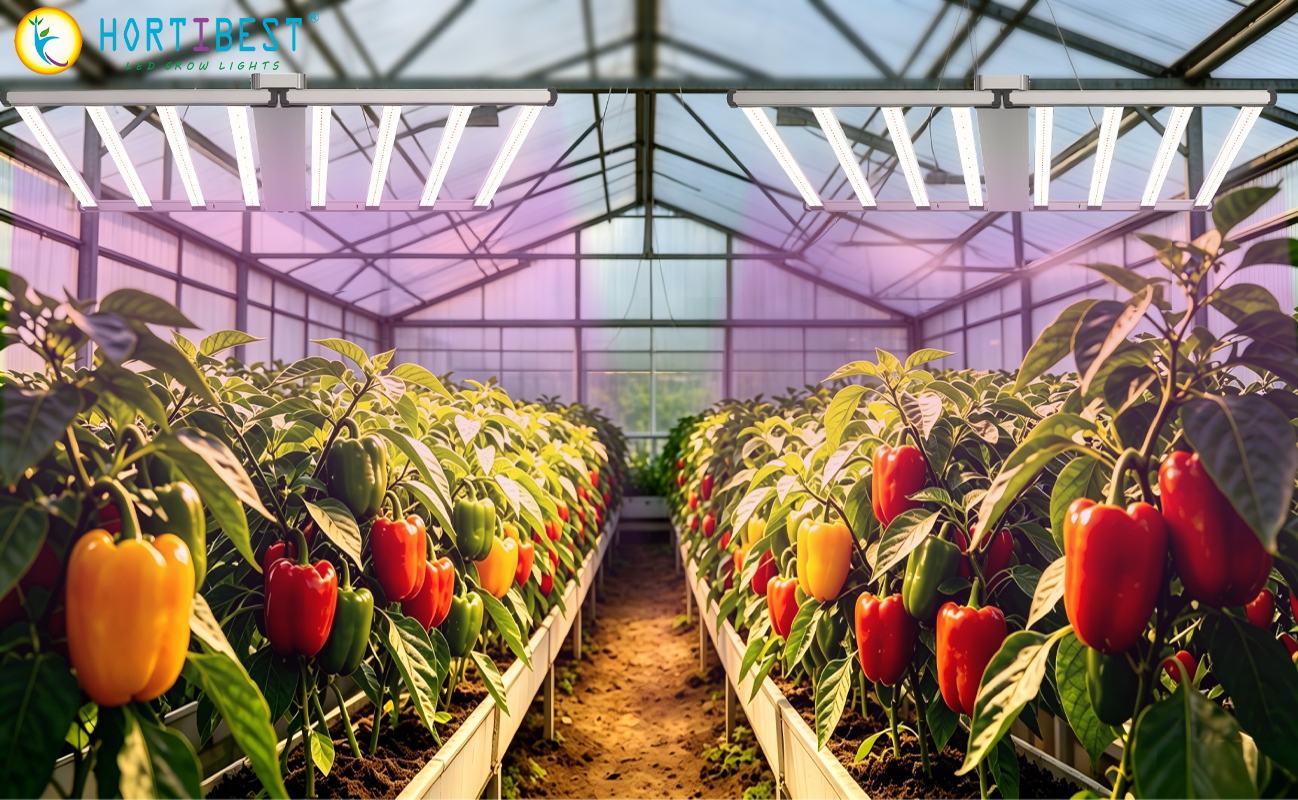 Far-Red Lighting Fixes Low-Light Fruit Drop for Bell Pepper Greenhouses
 Best Commercial Crops to Grow in US Greenhouses This July
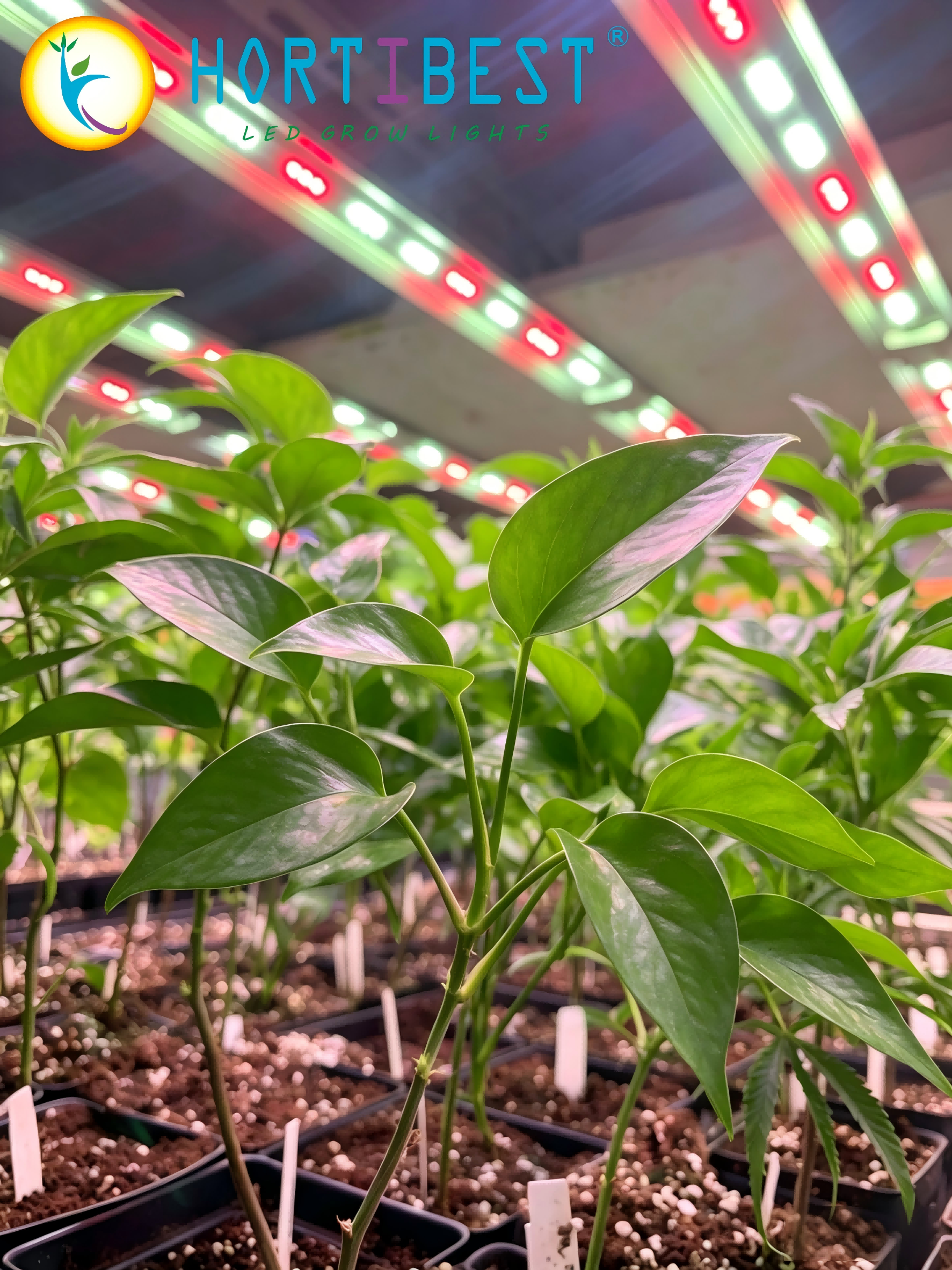 Why Full Spectrum LEDs with Green, Far-Red & UV Deliver Richer Terpenes, Vivid Anthocyanins & Bigger Harvests
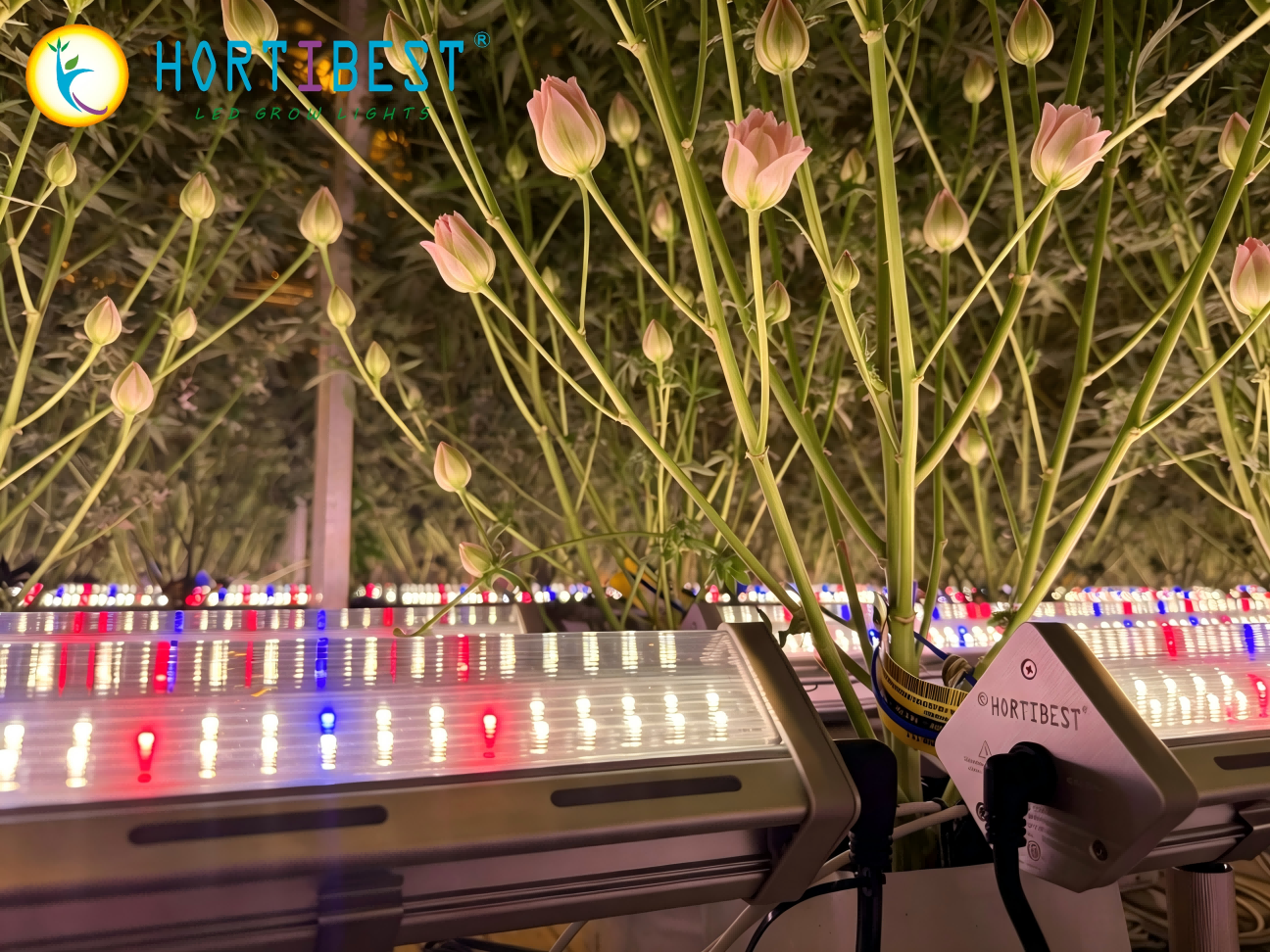 The Commercial Grower's Dilemma: How to 2x Yield Without Sacrificing Quality


