Cyclospora Contamination Risks & UV Disinfection Solutions for Vertical Farms
In July 2026, a cyclosporiasis outbreak hit Detroit, USA, with nearly 1,300 confirmed infections. Traceability confirmed most infections stemmed from raw leafy greens and herbs produced by local indoor vertical farms. The incident pushed local vertical growers to upgrade full-set farm biosecurity protocols, among which UV disinfection matched with plant lighting systems became a core preventive measure.
Cyclospora cayetanensis is a foodborne intestinal parasite dangerous to humans. Its oocysts can resist ordinary disinfectants and cannot be removed merely by ordinary washing. Closed recirculating water systems and ready-to-harvest edible crops make hydroponic vertical farms far more vulnerable to contamination. This article analyzes the internal risks of vertical farms triggering Cyclospora pollution and shares targeted prevention solutions matched with plant light supporting disinfection equipment.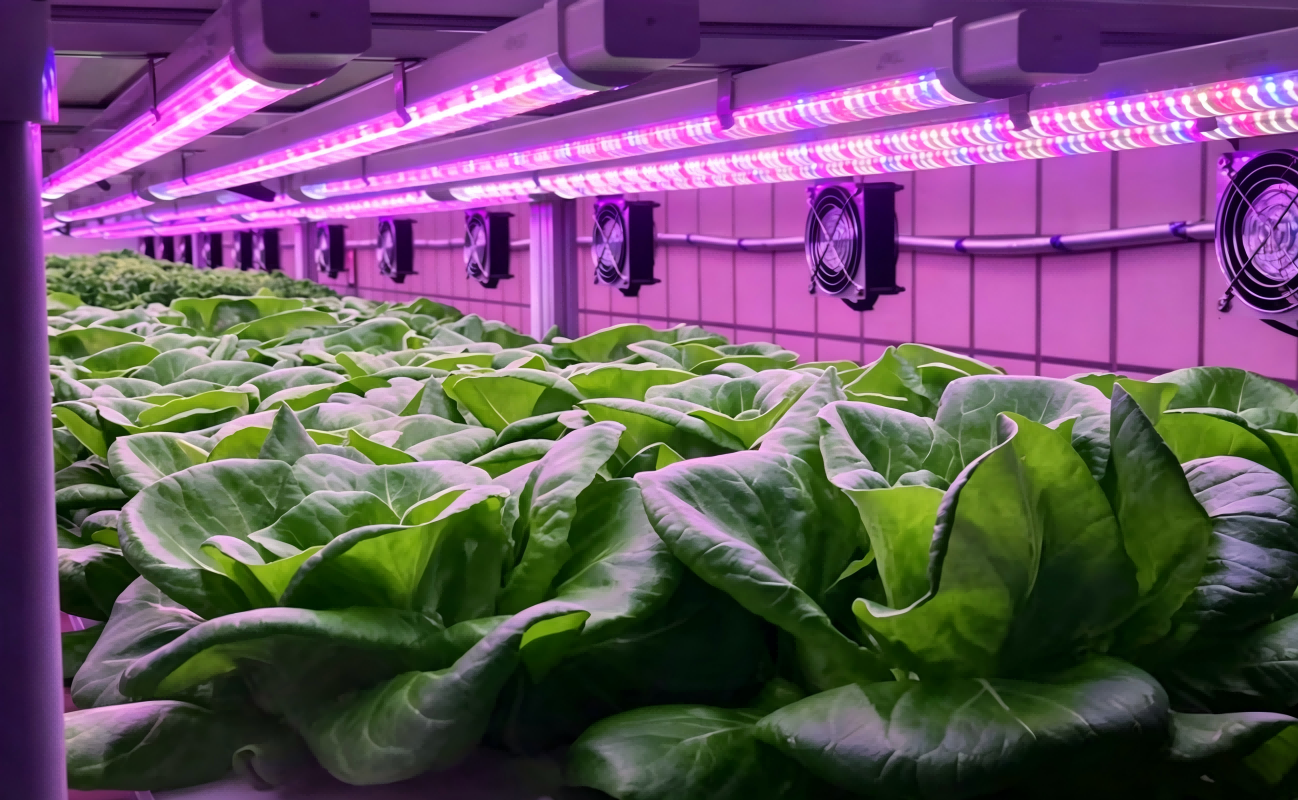
1. Key Risk Factors of Cyclospora Outbreaks in Vertical Farms
1.1 Unique biological traits of Cyclospora oocysts
1.2 Main internal pollution channels inside vertical farms
1.3 Defects of traditional vertical farm operation logic
Most early vertical farms only focused on plant light spectrum and nutrient formulas, ignoring parasite prevention. Pipeline dead zones accumulate biofilm carrying oocysts, while lack of regular water testing lets hidden risks evolve into large outbreaks. Summer high temperature further accelerates oocyst maturation.
2. Source Control Protocols for Vertical Farms
2.1 Recirculating water disinfection
2.2 Standardized staff hygiene management
2.3 Cultivation & daily environmental monitoring
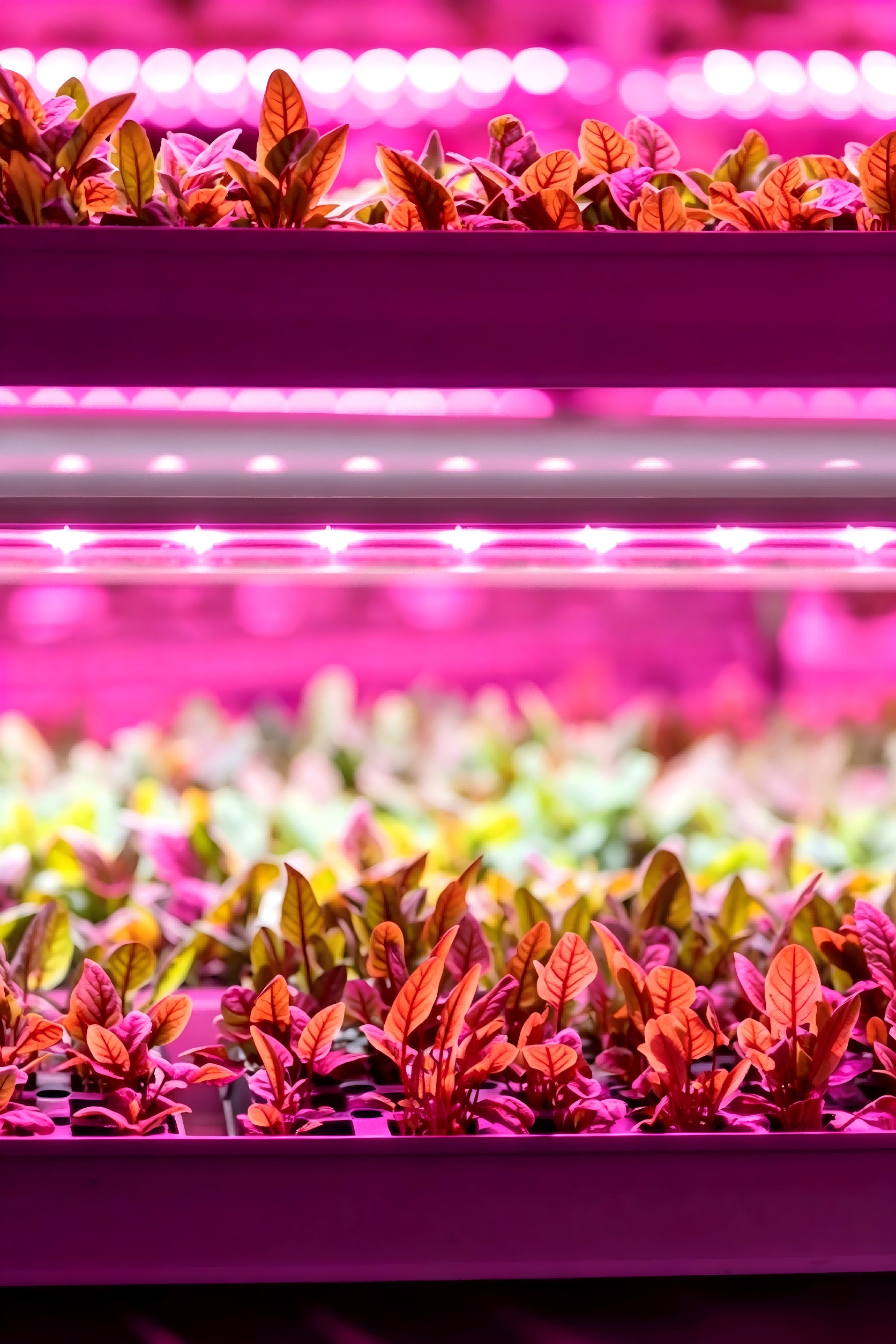
2.4 Supporting UV disinfection matched with plant light racks
Conclusion
Constant temperature, high humidity and closed circulating water make vertical farms prone to Cyclospora contamination, and ignoring biosecurity will lead to large-scale infection incidents like the Detroit outbreak.
For vertical planting operators, the most efficient prevention mode is source control: standardized water disinfection, strict staff hygiene and regular environmental monitoring. Matching UV disinfection modules with plant light racks realizes simultaneous lighting and real-time parasite suppression, solving hidden pollution risks in indoor farms from the cultivation link fundamentally.
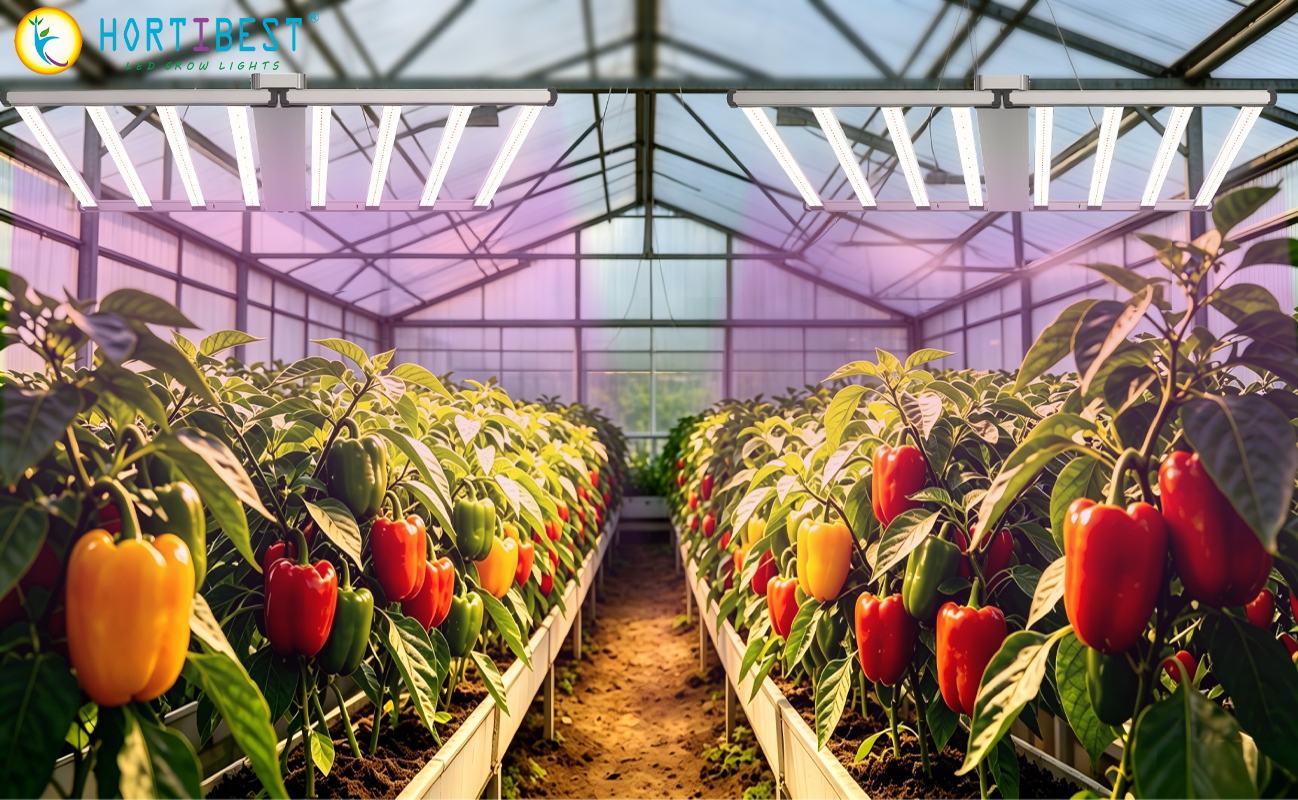 Far-Red Lighting Fixes Low-Light Fruit Drop for Bell Pepper Greenhouses
 Best Commercial Crops to Grow in US Greenhouses This July
 Why Full Spectrum LEDs with Green, Far-Red & UV Deliver Richer Terpenes, Vivid Anthocyanins & Bigger Harvests
 The Commercial Grower's Dilemma: How to 2x Yield Without Sacrificing Quality


