Let’s talk about something you might not have considered when you first invested in your LED grow light: its potential beyond the canopy.
We get it — you’re focused on yield, potency, and healthy plants from seed to harvest. But what if the same light fueling your grow could also support your own well-being?
We’ve been hearing more and more from the grow community about red light therapy (RLT) — a non-invasive treatment gaining traction for skin health, muscle recovery, and overall wellness. And since many of you are already running high-performance LED systems like the Hotibest Moray-D Series, it’s only natural to ask:
“Can my grow light do double duty?”
Let’s break it down — no hype, just science and straight talk.
Red light therapy (also known as photobiomodulation) uses specific wavelengths of red and near-infrared light to stimulate cellular function. It’s like giving your cells a clean energy boost — without heat or UV.
Here’s the gist:
Red light (600–700nm, especially 660nm) penetrates the skin’s dermis layer. It’s known to support collagen production, reduce inflammation, and speed up muscle recovery.
Near-infrared light (800–950nm) goes deeper — into muscles, joints, and tissues — promoting cellular repair and reducing pain.
Blue light (450nm) targets the epidermis, helping with acne and skin clarity.
Sound familiar? It should. Many of these wavelengths are already hard at work in your grow room.
Most full-spectrum LED grow lights — including ours — are packed with 660nm red and 450nm blue diodes. These aren’t just great for photosynthesis — they’re also the same wavelengths used in many clinical RLT devices.
If you’re running a California LightWorks fixture, you already have access to:
Adjustable spectrum control — dial in red and blue channels without the white light.
High-intensity output — at close range (6–10 inches), you’re looking at 50–100 mW/cm², which is in the ballpark for effective RLT sessions.
Clean, targeted light — no UV-B or UV-C, so you’re not dealing with the harmful rays that damage skin or eyes.
With the right setup, a 10–12 minute session under your grow light could deliver a solid dose of therapeutic red and blue light.
While your grow light can provide some RLT benefits, it’s not a perfect substitute for a dedicated device. Here’s why:
✅ What You Get:
Strong 660nm red light for skin and surface-level recovery
450nm blue light for acne and inflammation
No UV risk (if you’re using a quality LED)
Adjustable spectrum for targeted use
❌ What’s Missing:
Near-infrared (NIR) light — essential for deep tissue healing
Vertical design — grow lights are made to hang overhead, not face you directly
Built-in safety timers and ergonomics — RLT devices are designed for human use, not plant canopies
So yes — you can use your grow light for some red light therapy benefits. But it’s like using a multi-tool instead of a specialized instrument. It works in a pinch, but it’s not optimized for you.
If you’re curious and want to test the waters, here’s how to do it safely:
Positioning Matters
Get within 6–10 inches of the light for optimal intensity.
Angle the fixture carefully — but don’t rig it unsafely. Stability is key.
Spectrum Settings
Use spectrum control (if available) to isolate red and blue channels.
Avoid white light if you’re targeting specific wavelengths.
Timing & Dosage
Start with 5–10 minutes per session.
Don’t overdo it — more isn’t always better.
EYE PROTECTION IS NON-NEGOTIABLE
Never look directly at the light.
Use certified tanning goggles or RLT-specific glasses.
Grow lights are bright — protect your vision.
If you’re serious about red light therapy — for muscle recovery, skin health, or overall wellness — it’s worth investing in a device made for humans.
Our Hortibest delivers:
Full-spectrum red and NIR light (660nm + 850nm)
Vertical stand for easy, hands-free sessions
Clinical-grade power and precision
Safe, timed treatments with no guesswork
And because you’re part of the Hortibest family, you get 10% off with code HORTIBEST1.
Your LED grow light is a powerful tool — for your plants, and potentially for you. But know its limits. Whether you’re boosting trichome production or supporting your own recovery, it’s all about using light intentionally.
Stay curious, stay safe, and keep growing — in and out of the garden.
Ready to explore red light therapy?
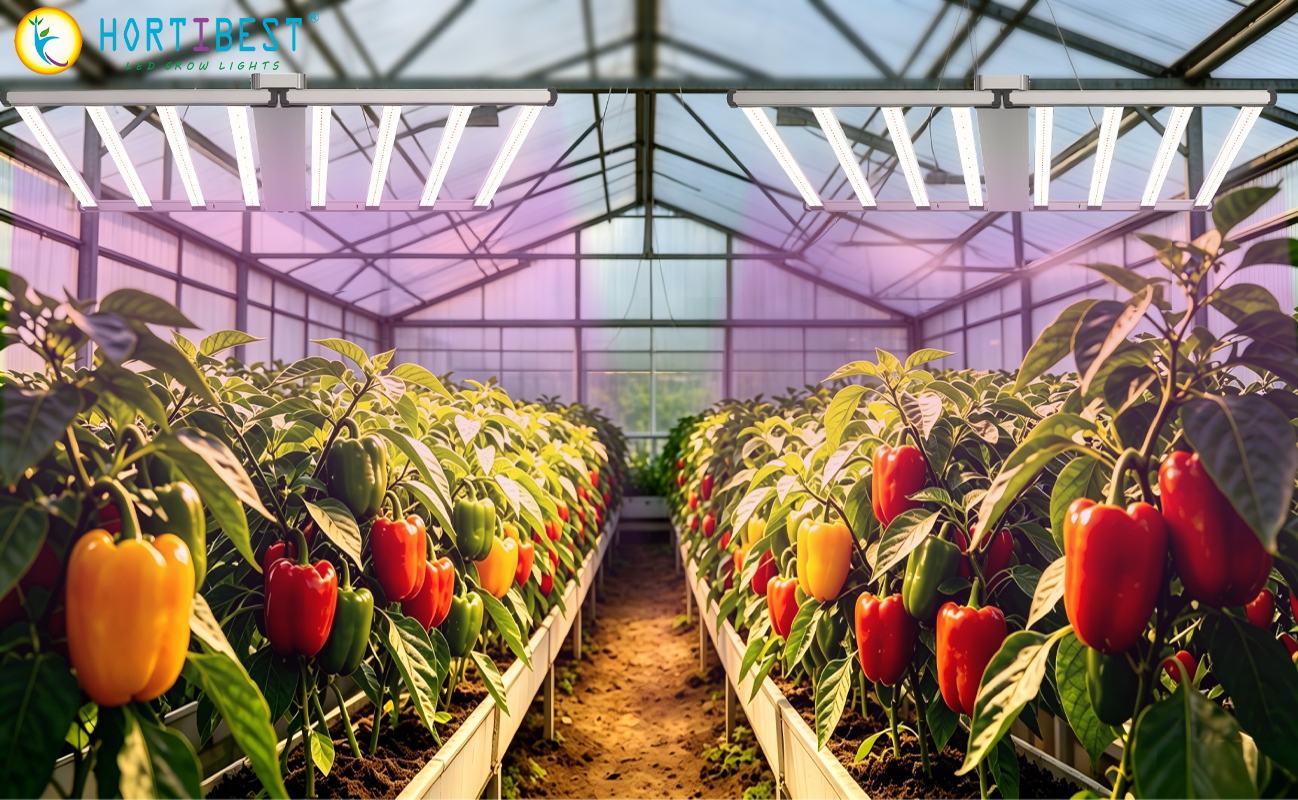 Far-Red Lighting Fixes Low-Light Fruit Drop for Bell Pepper Greenhouses
 Best Commercial Crops to Grow in US Greenhouses This July
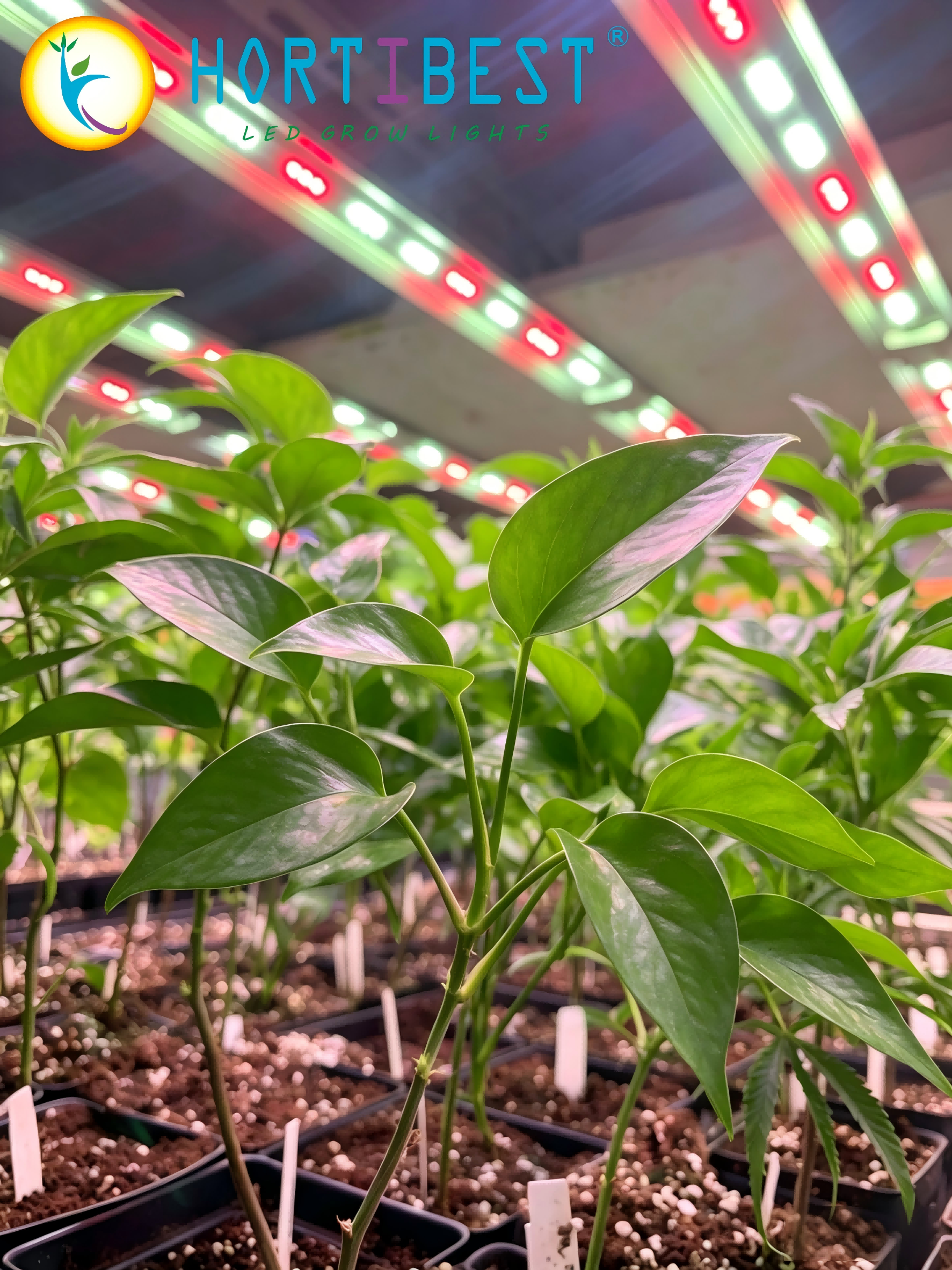 Why Full Spectrum LEDs with Green, Far-Red & UV Deliver Richer Terpenes, Vivid Anthocyanins & Bigger Harvests
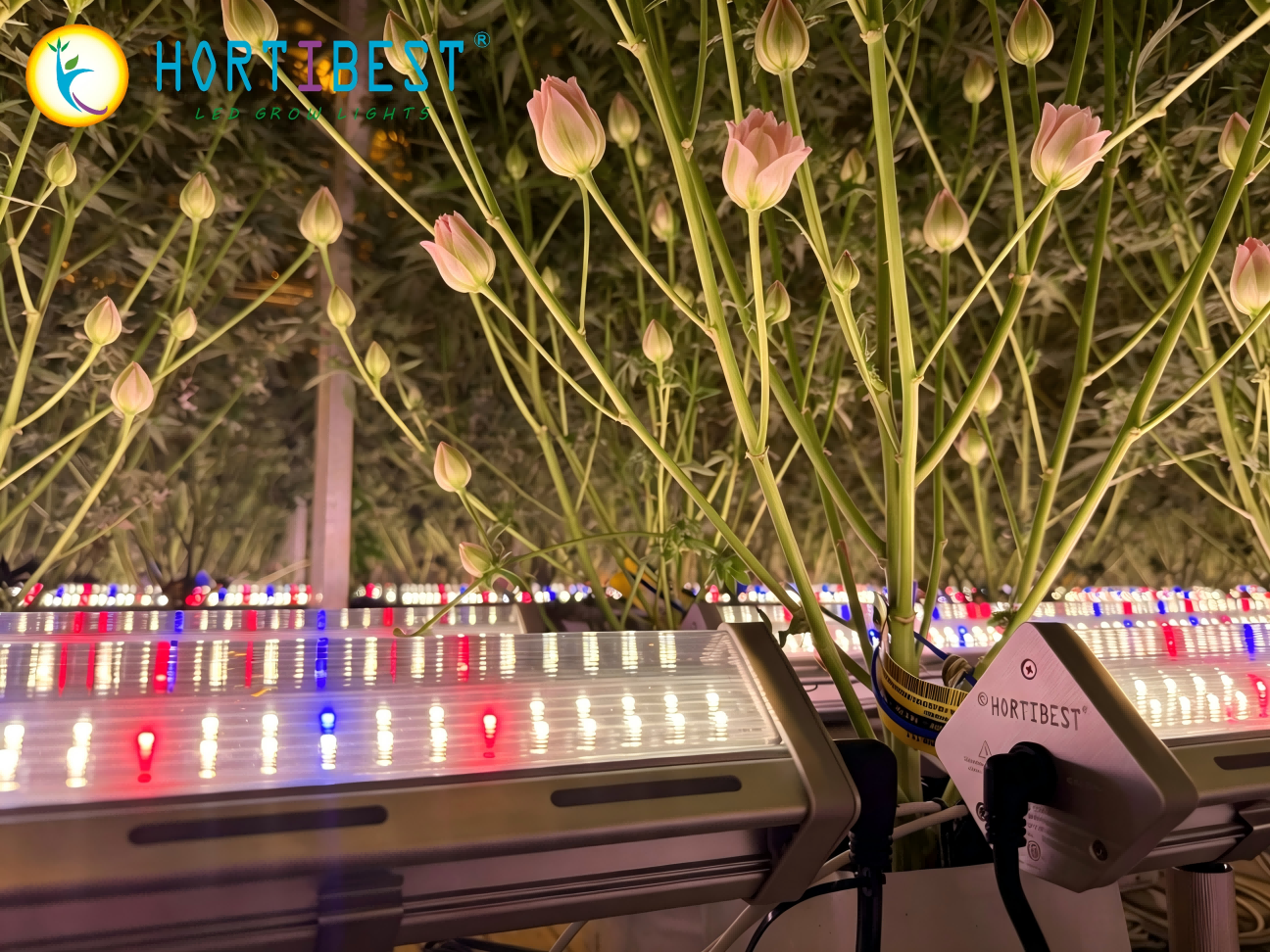 The Commercial Grower's Dilemma: How to 2x Yield Without Sacrificing Quality


