Why to Choose LED Grow Lights?
Views : 1088
Update time : 2023-07-14 17:33:20
LED plant grow light is an artificial light source that uses LED (light emitting diode) as the light source to meet the lighting conditions required for plant photosynthesis. Nowadays, LED grow lights are more and more popular for greenhouses or other indoor cultivation lighting. Then why to choose LED grow lights?
In an environment that lacks sunlight, using LED grow light can allow plants to grow and develop normally or better than those grow in sunlight. This kind of light has the functions of strengthening roots, promoting growth, regulating flowering period and flower color, promoting fruit ripening and coloring, and also improving taste and quality.
Science and technology principle
Lighting environment is one of the important physical environmental factors that are indispensable for plant growth and development. Controlling plant morphology through light quality adjustment is an important technology in the field of facility cultivation. LED grow lights are more environmentally friendly and energy-saving.
LED grow lights provide the energy for plants to photosynthesis, promote plants to grow, shorten the time for plants to flower and bear fruit, and increase production. In modern agriculture, LED plant grow lights are indispensable for indoor crops and plants.
Characteristics of LED
As a new type of light source, LED has many characteristics that different from other electric light sources, which also makes it the first choice for energy-saving and environmentally friendly light sources.
LEDs used in the field of plant cultivation also have the following characteristics:
Firstly, the spectrum can be customized according to the different cultivated crops. It can regulate the nutrition of vegetables and flowers, accumulate fruit expansion, and prolong the flowering period by changing the photoperiod and LED spectrum. Secondly, the photosynthetic rate of plants can also be changed by adjusting the light quantum flux density μmol/m2·s of the LED light, so as to control its growth rate to improve crop quality and yield. In addition, LED grow lights that come with specific spectral ranges, such as infrared, UV, etc., can also regulate special plant physiological characteristics such as nutrient enrichment and diseases of crops.
LED grow lights can only use as supplementary lighting for plant photosynthesis when the amount of sunlight is low or the duration of sunlight is short. They can also be used as plant induction lighting.
Researched have shown that with LED lighting, the growth rate and photosynthetic rate of lettuce are increased by more than 20%.
Compared with fluorescent lamps, mixed-wavelength LED light sources can significantly promote the growth and development of spinach, radish, and lettuce, improve morphological indicators, and enable the largest amount of beet bioaccumulation, the most significant accumulation of betaine in hairy roots, and the highest sugar production in hairy roots and starch accumulation.
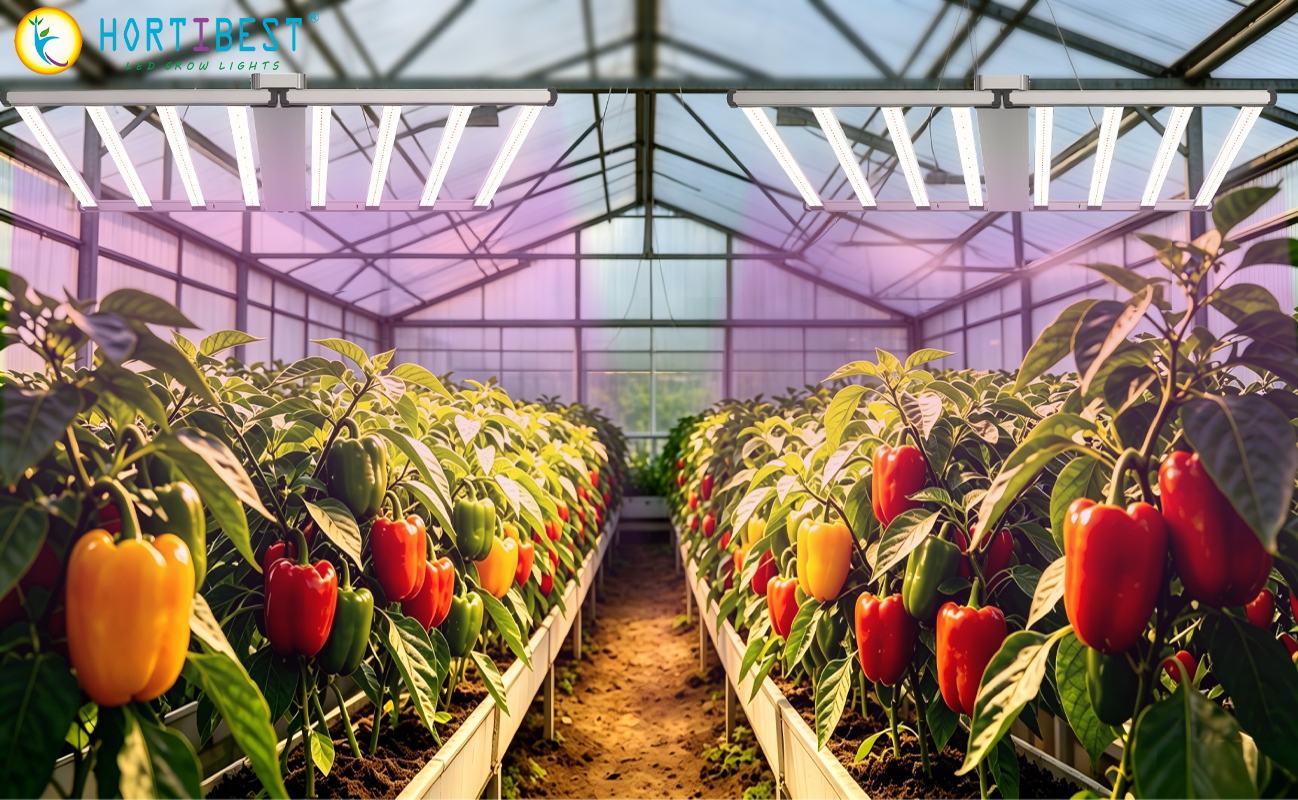 Far-Red Lighting Fixes Low-Light Fruit Drop for Bell Pepper Greenhouses
 Best Commercial Crops to Grow in US Greenhouses This July
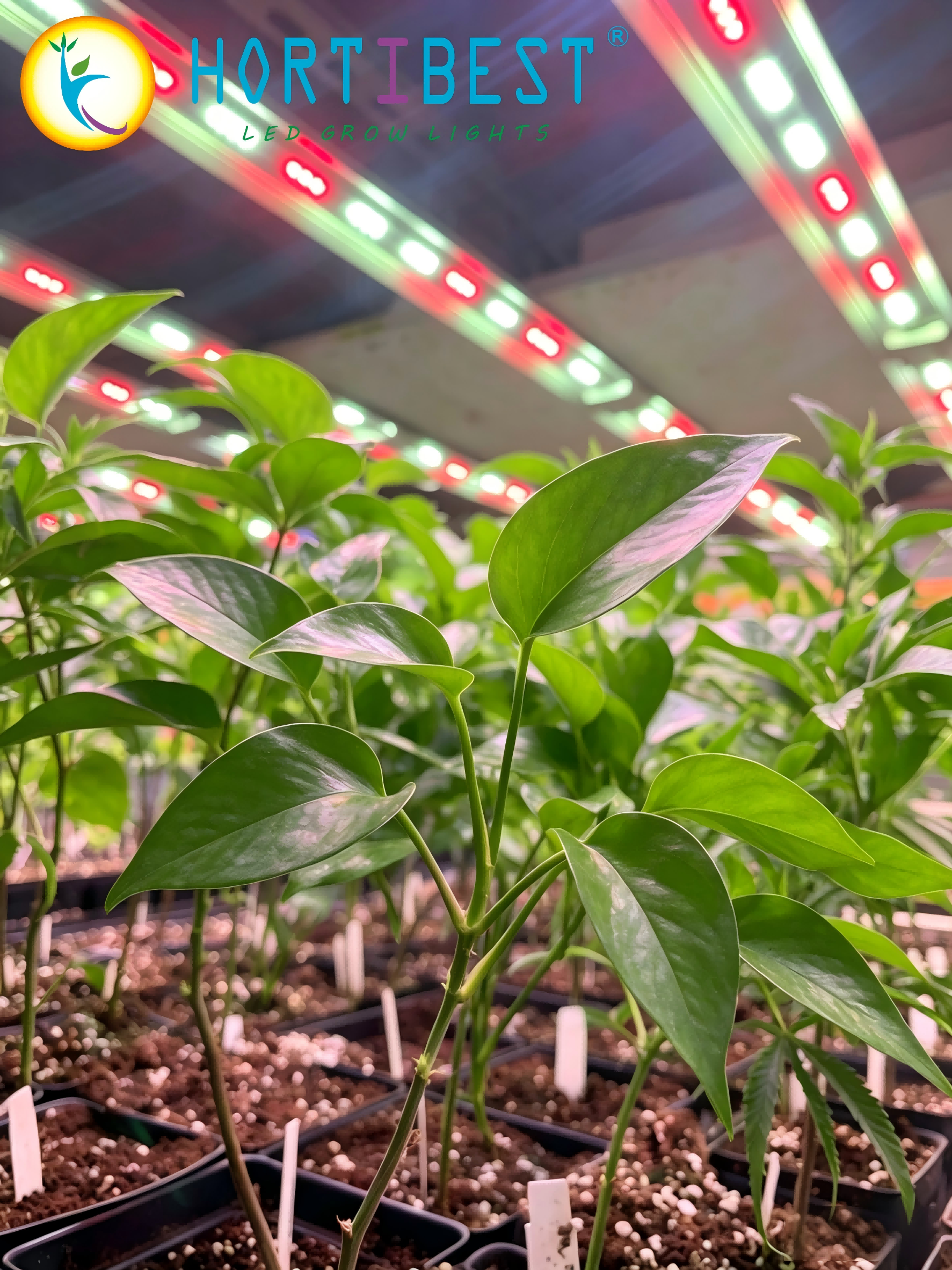 Why Full Spectrum LEDs with Green, Far-Red & UV Deliver Richer Terpenes, Vivid Anthocyanins & Bigger Harvests
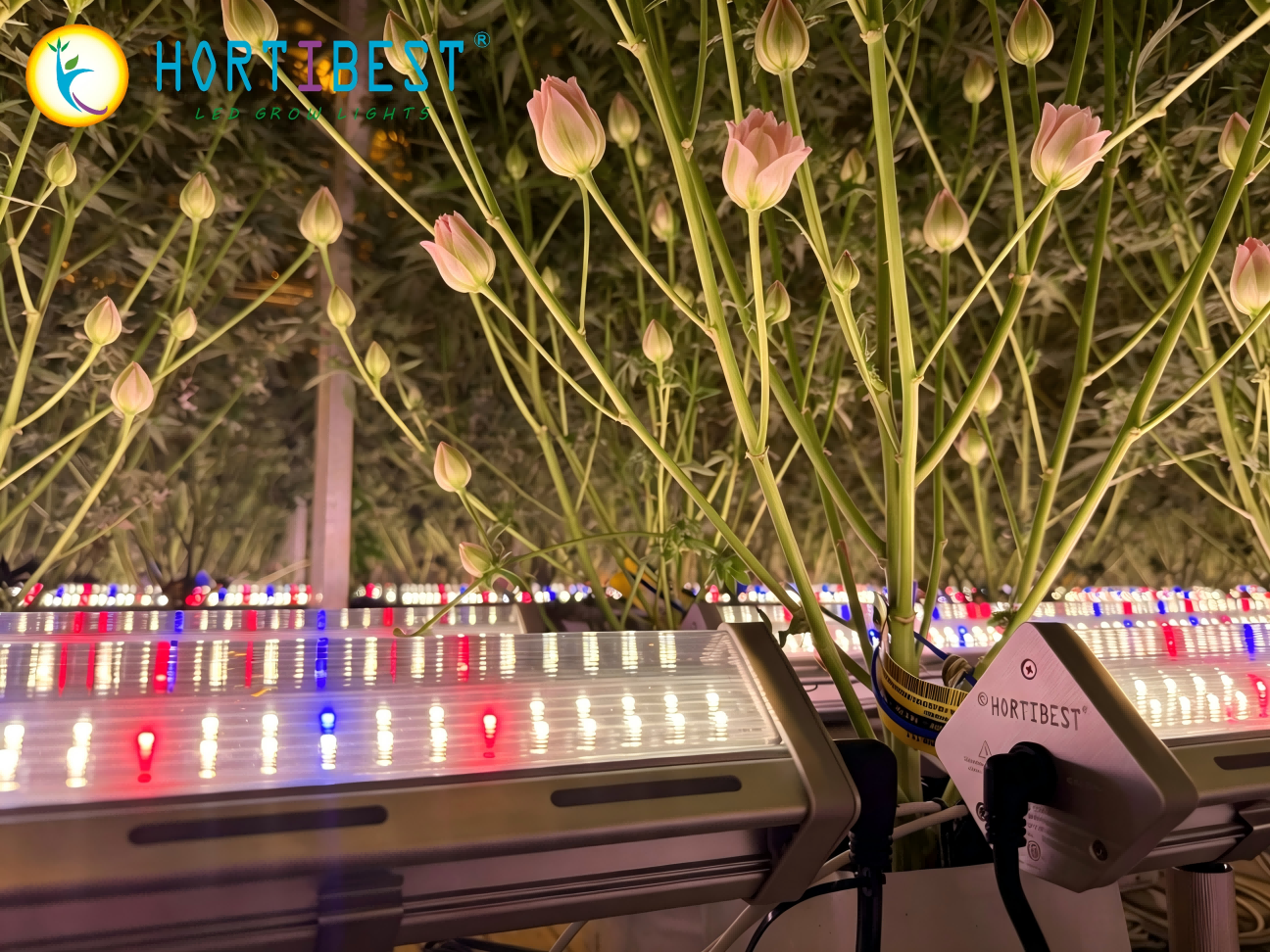 The Commercial Grower's Dilemma: How to 2x Yield Without Sacrificing Quality


