The more light and CO2, the faster the photosynthesis, and the faster the plant grows. Is right?
Not so fast, says Francisco (Paco) Usero, Climate Consultant, at Svensson in Spain: "That's only party true," he says.
"Higher light levels give higher radiation levels and that is not always more effective," he says from his office in Almería.
"Every plant has an optimum light intensity range," he goes on. "Above or below that level, we are losing production, overheating the plant cells, or losing efficiency in photosynthesis."
Like the growers he visits across Andalucia, Paco's daily work consists of optimizing the transformation of water, light and CO2 into oxygen and glucose, the latter being the principle building block of the plant. But he says that finding that balance of these and other inputs such as nutrients, humidity and temperature, only make sense in relation to your goal as a grower.
"What do you want to optimize for?" is the question, says Usero. "Do you want to maximize the formation of leaves and roots, or the formation of flowers and fruits?" Growing is about finding the right balance to increase your final production.
Too much light
Light can also be a danger to your produce. Too much radiation will overheat the plant cells. When the cell temperature is high, the plant needs water to cool. This results in hydric stress, which affects the growth of flowers, leaves, fruits and roots. It leads to uneven or weak growth.
When this hydric stress affects the root system, quality problems will show up. Here the nutrient uptake and the whole plant formation process are compromised. Additionally, hydric stress can lead to even higher evaporation. If no action is taken the result is lost production and low quality.
Too high temperature
With too much light radiation comes too much warmth. When the ambient temperature in the greenhouse is too warm, it will negatively affect root development, photosynthesis, and nutrient absorption. The resulting deficits increase the chance of leaf discoloration, or burning, and flower abortion. When the plant temperature remains high over an extended period, the plant diverts water from the vegetables, fruits, and flower buds to keep up a constant evaporation from the leaves.
At this point the canopy begins to look worse for wear. Now there's a risk of a downward spiral of effects.
"You want to create the best-looking crop, not just for the aesthetics but also because it shows your plants are healthy," says Usero. "Scalding, cupping, or flagging leaves are a bad sign. They signal that your plants have a lower resistance against bacterial diseases and fungal pathogens", he explains.
Too little light
To control light and temperature with fixed shading can be an affordable solution. However, since you lose control over the light that enters the greenhouse, you are in danger of giving your produce too little light. This isn't a sustainable choice either.
A shortage of light inhibits the growth of the plant's building blocks, potentially leading to a smaller plant and lower production. When light levels are low, the plant can simply lack the energy it needs to move water and nutrients from the roots to the new growth where they are vital.
Painting the greenhouse ceiling can create new challenges for growers. "When you use a diffusion screen you get a much better horizontal spread of the light," says Svensson Climate Consultant for Latin America, Alejandro Medina Guiterrez. "The thing is, it’s very difficult to paint on the whitewash with a consistent thickness," he adds.
Experience shows that in areas where the paint is thinner, a microclimate is created. "You can easily get a variety of plant heights, uneven production and then get fruit at different times."
Paco Usero says this makes it very difficult for growers to plan their workforce requirements at picking time because different sections of the crop are at different stages.
"We saw that at Natural Baños in Western Almería," he says. "They said they were able to save up to a third of their wage bill for their seasonal picking once they had a more uniform growing environment from the use of screens."
Know what's going on
The key to avoiding excessive temperatures is monitoring and understanding your greenhouse. If you see low temperatures, you can optimize light at those times. If you know how to react to a temperature spike, you can limit the damage it can cause instead of letting it fester.
Usero continues: "Temperature is highly correlated with humidity, and they both affect the plant's growth directly. Try to keep the temperature at the optimal level for your plant. At higher temperatures, much of the carbohydrates are spent on maintenance and photosynthesis slows down."
Source: knowledge.ludvigsvensson.com
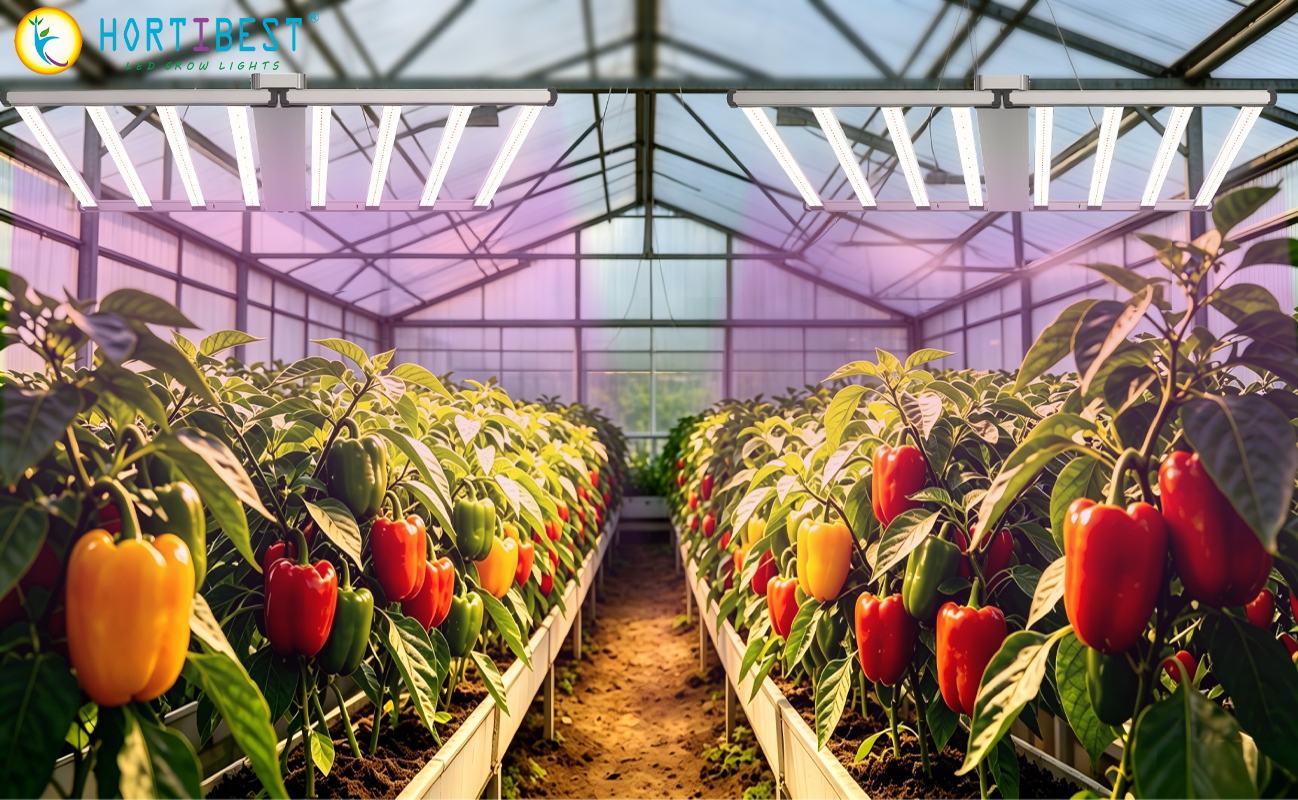 Far-Red Lighting Fixes Low-Light Fruit Drop for Bell Pepper Greenhouses
 Best Commercial Crops to Grow in US Greenhouses This July
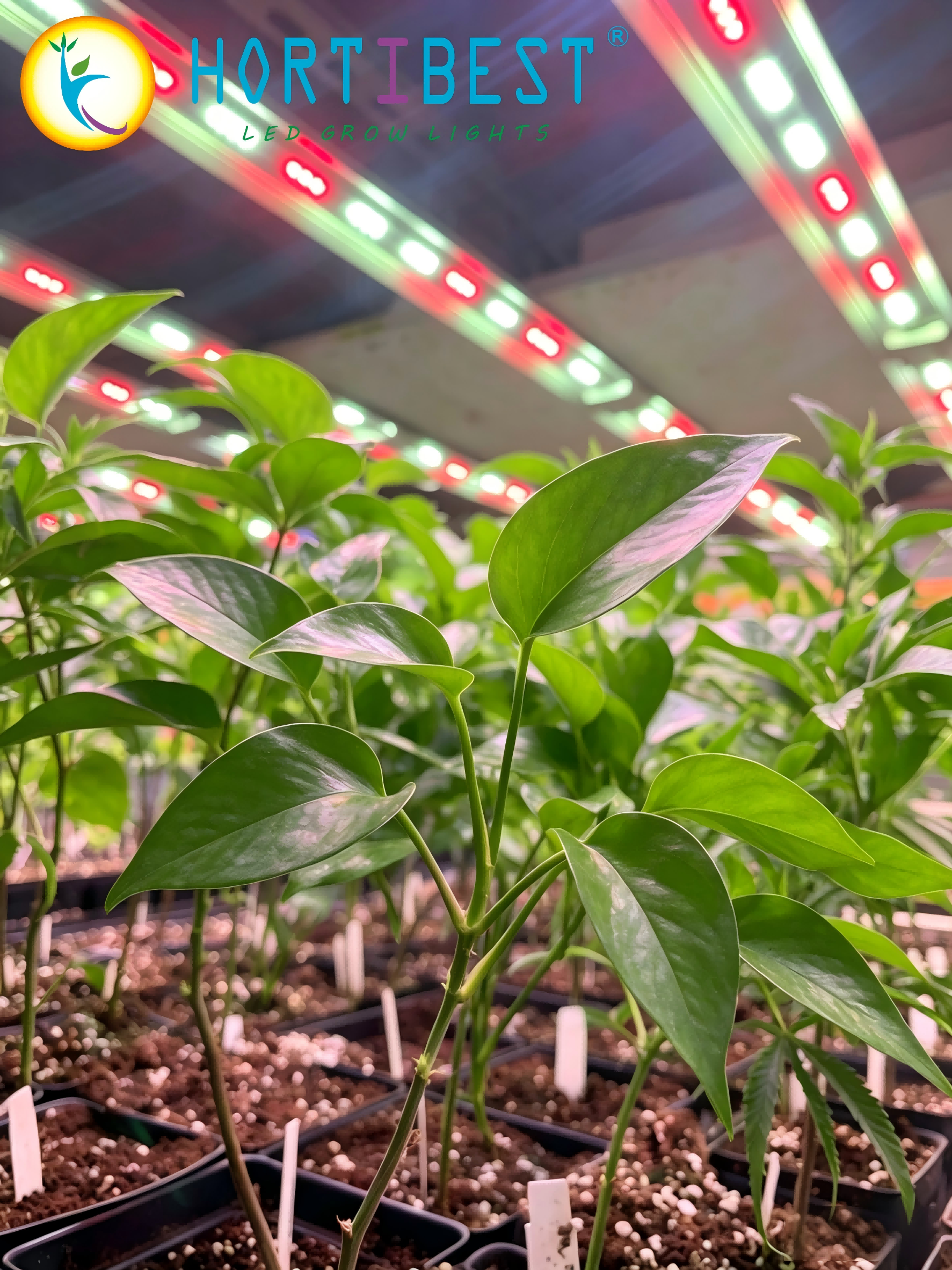 Why Full Spectrum LEDs with Green, Far-Red & UV Deliver Richer Terpenes, Vivid Anthocyanins & Bigger Harvests
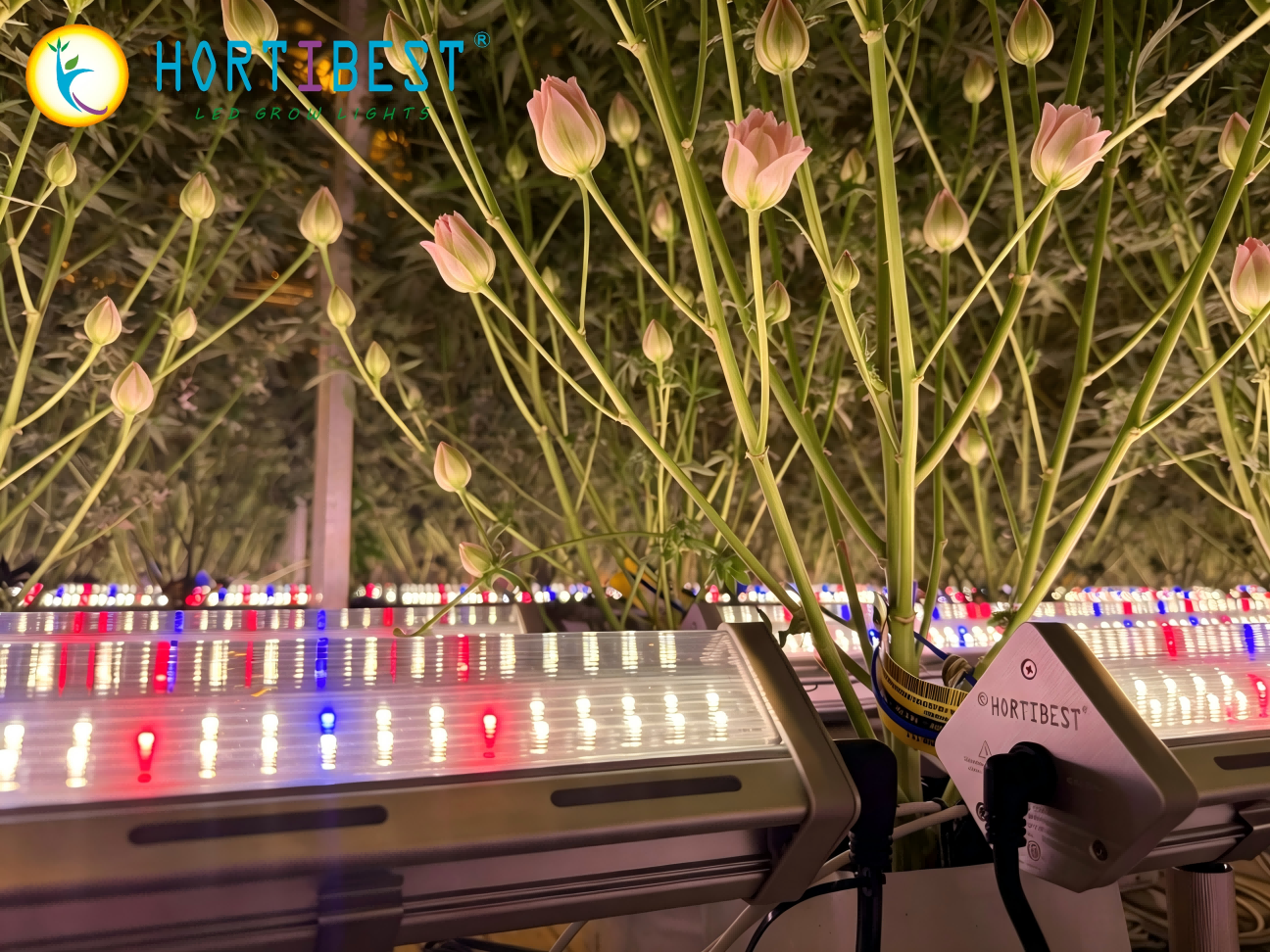 The Commercial Grower's Dilemma: How to 2x Yield Without Sacrificing Quality


