In the field of indoor and greenhouse cultivation, choosing between HID (High-Intensity Discharge) or LED lighting systems is a critical decision that growers often grapple with. HID fixtures have long been the traditional choice. However, the advent of LED lights has disrupted this status quo, effectively reshuffling the deck in the lighting market.
Myth #1: Energy Efficiency of LED Lights
The U.S. Department of Energy recognizes LED as a highly energy-efficient lighting technology with the potential to revolutionize the future of lighting. However, not all LED lighting solutions are viable. The market is flooded with underpowered and low-quality, low-cost LED lights, which potentially tarnish the reputation of reliable high-power equipment from true industry leaders. This disparity is one of the reasons some growers are skeptical about LED technology.
Myth #2: Lifespan of LEDs
Contrary to popular belief, LED products can achieve a lifespan comparable to, or even longer than, HPS fixtures. While manufacturers' claims may seem exaggerated to some, LEDs indeed depreciate more slowly than other light sources. A well-selected LED grow light can last between 50,000 to 100,000 hours, significantly surpassing traditional alternatives and leading to considerable long-term cost savings.
Myth #3: Power Consumption of LED Lights
The energy-saving capabilities of LED lights are not just marketing hype. Real-world implementations and reports from the U.S. Department of Energy have verified concrete results of up to 40% energy savings compared to traditional HPS systems. Moreover, LEDs' superior thermal management translates into reduced cooling requirements and overall energy consumption.
Myth #4: Thermal Management Challenges of LEDs
Efficient thermal management is the cornerstone of LED technology. While high-output LEDs require proper cooling mechanisms, modern LED grow lights incorporate advanced cooling solutions such as passive cooling and optimized airflow to ensure optimal performance and lifespan.
Myth #5: Yield Differences Between LED and HPS
High-quality LED technology, exemplified by brands like HortiBest LED Grow Lights, has shattered the myth of yield limitations. Real-world examples demonstrate significant yield increases, accelerated production times, and improved crop quality, dispelling any doubts about LEDs' ability to deliver superior results.
LED grow lights represent a paradigm shift in horticultural lighting, offering unparalleled energy efficiency, extended lifespan, outstanding thermal management, and impressive yield potential. Growers who embrace this transformative technology will reap substantial benefits, positioning LEDs as a wiser long-term choice for sustainable and profitable cultivation practices, both in terms of cost savings and crop quality.
 EU PPWR Packaging Regulation Takes Effect Aug 12 | How Hortibest LED Grow Lights Fully Comply
 HPS to Tunable LED Grow Lights: Why Your Old Irrigation Schedule Will Cost You Yields
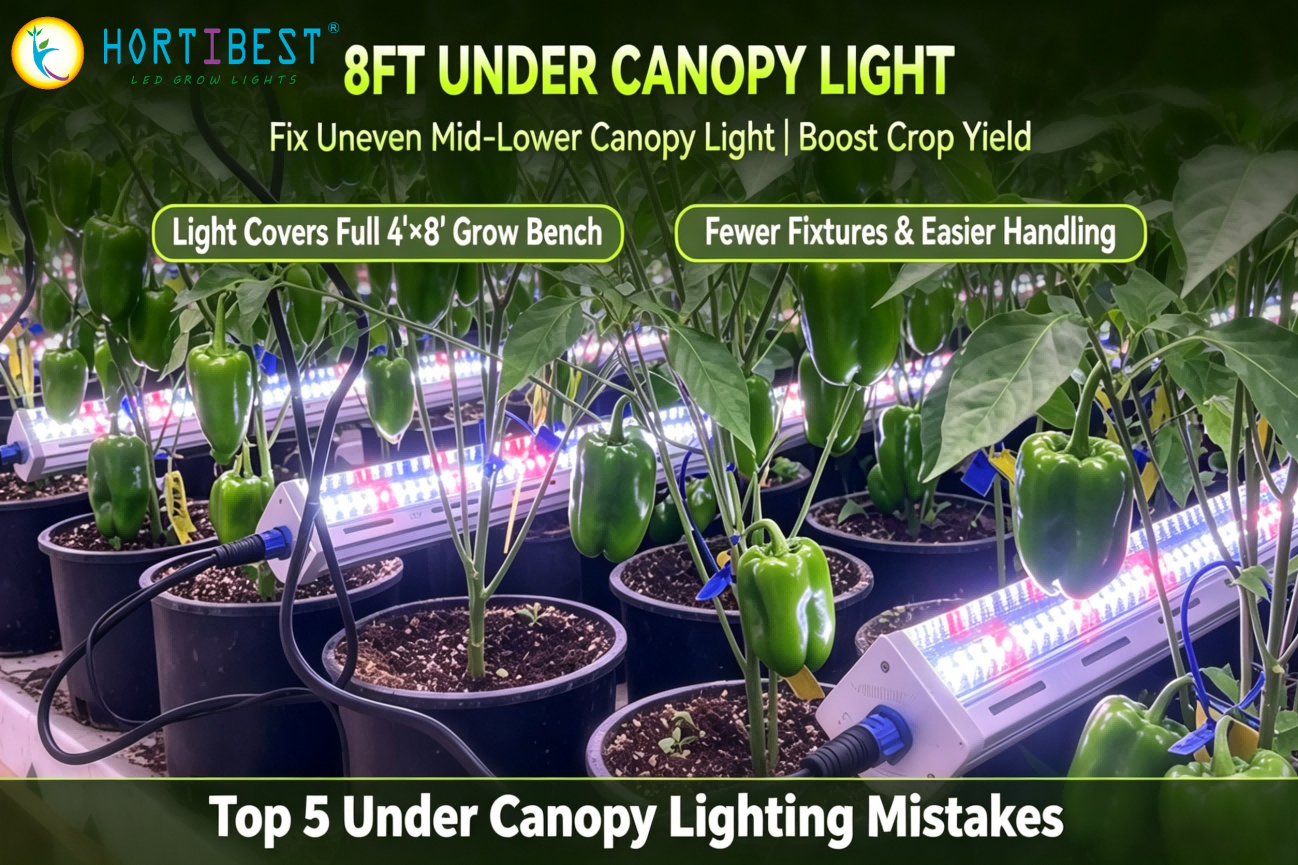 Top 5 Under Canopy Lighting Mistakes Commercial Growers Make | UCL Best Practices
 40% Higher Winter Strawberry Revenue: Minnesota Commercial Greenhouse Fixes High HVAC Costs & Pale Berries with Shark‑2600 Linear LED Grow Lights


